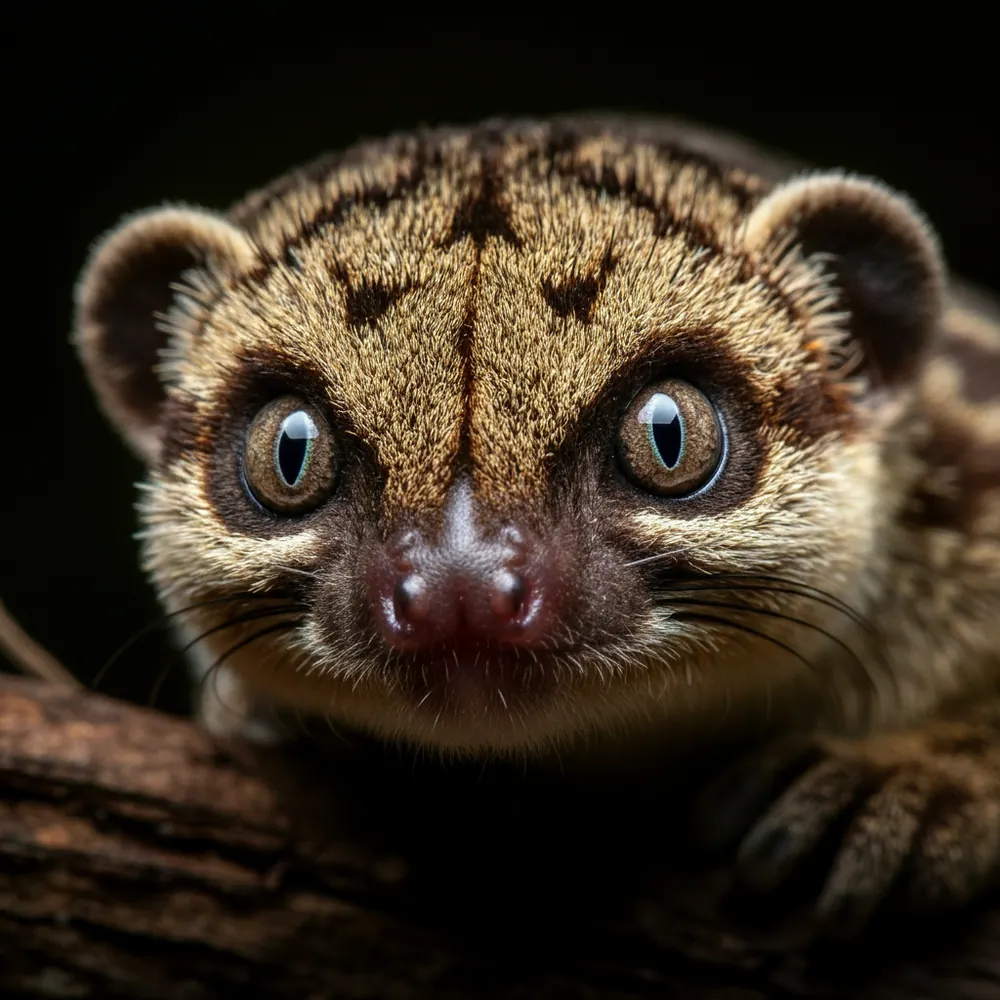
Get ready to meet one of the most chill and unique animals on Earth! Imagine a giant guinea pig, but even bigger, like a furry, friendly barrel with legs. That's right, we're talking about the incredible Capybara! This amazing creature holds the crown for being the *largest rodent in the world* – yes, even bigger than your pet hamster or rat! They're like the gentle giants of the rodent family, and they hail all the way from the sunny lands of South America.
Capybaras absolutely *love* to hang out near water, whether it's a calm river, a marshy swamp, or a peaceful lake. They're excellent swimmers and can even hold their breath for a super long time if they need to! But what makes them truly special is how much they love their friends and family. Capybaras are super social, living in big, happy groups that can sometimes have over a dozen members, all splashing and munching together. They're even related to your pet guinea pig, but on a much, much grander scale!
So, next time you think of rodents, don't just picture tiny mice! Remember the magnificent Capybara – a giant, friendly, water-loving, super-social creature that proves being big and furry can be incredibly cool. They're like the ultimate chill-out buddies of the animal kingdom, always ready for a swim or a snack with their pals. Isn't that just the most wonderfully wild animal you've ever heard of?
It is about as long as you are tall.
Where the capybara still lives — Brazil, Venezuela, Colombia
Capybaras need grassy areas near rivers and wetlands to live, but people are clearing these lands for farms, buildings, or roads, leaving the capybaras with fewer places to call home. This means they lose their food and safe spots to rest and raise their young.
Being done about itScientists and park rangers are working hard to create and protect special natural parks and reserves where capybaras can live safely. Some people are also planting new trees and restoring wetlands to bring back the capybaras' natural homes.
Poaching / Illegal hunting
Sadly, some people illegally hunt capybaras for their meat or their skin, which is against the law and can make it harder for capybara families to survive. This unfair hunting quickly reduces the number of capybaras in the wild.
Being done about itGovernments and wildlife protectors are making laws stronger to stop illegal hunting and teaching people why it's important to protect capybaras instead of hunting them. They also patrol areas to catch poachers and keep the capybaras safe.
Even though there are lots of capybaras, people are working hard to protect their wetland homes from disappearing. It's a super important mission to make sure these friendly giants always have muddy places to splash and munch!
Also known asHydrochoerus hydrochaeris
GroupAnimal
HabitatWetlands & forests
DietHerbivore; primarily eats grasses, aquatic plants, and tree bark.
PredatorsJaguars, pumas, ocelots, anacondas, and caimans.
Lifespan8 - 10 years
SizeUp to 1.3m (4.3 ft) long; 35 - 66 kg (77 - 146 lbs)