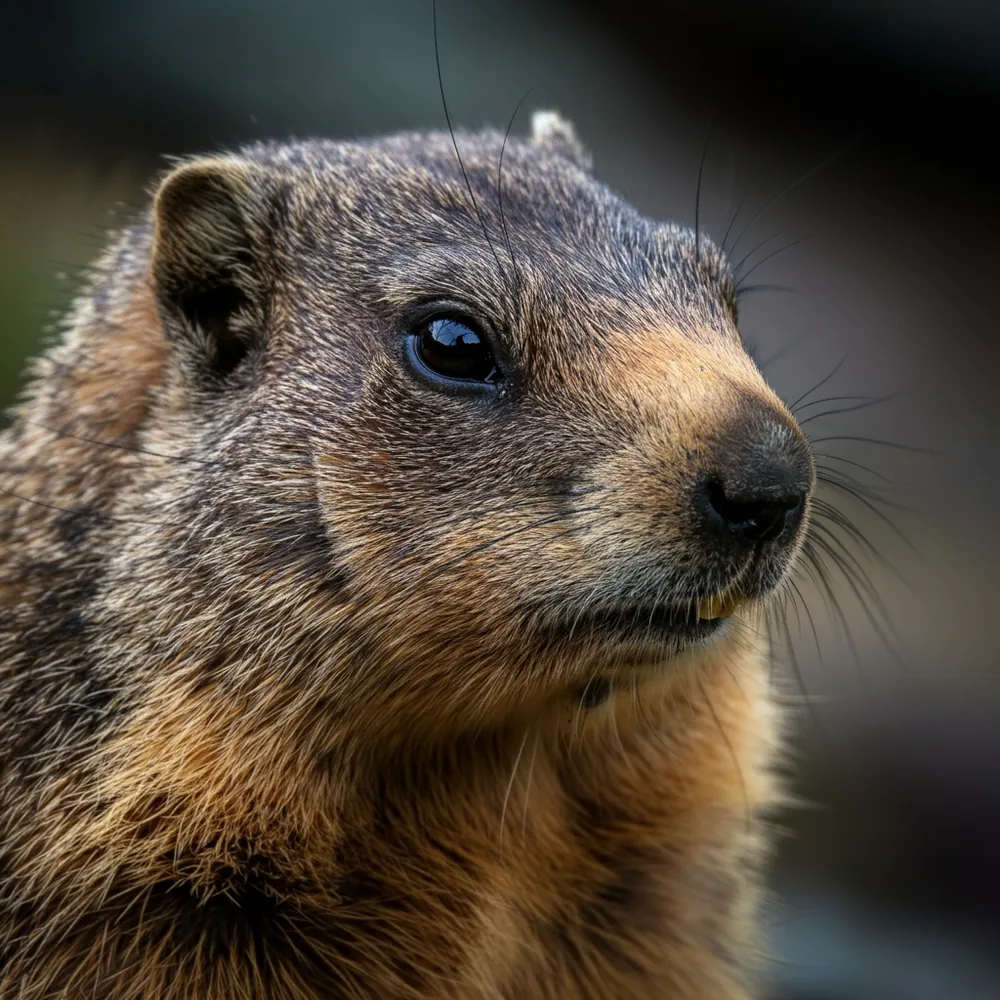
Imagine a real-life teddy bear that lives way up in the mountains! Meet the Vancouver Island Marmot, a truly amazing Canadian superstar. This critter is instantly recognizable with its stunning coat of rich, chocolate-brown fur, perfectly highlighted by bright white patches on its nose, chin, and sometimes even its chest. At up to 15 pounds, it’s Canada's biggest member of the squirrel family – a super-sized, super-cute rodent with powerful claws perfect for digging. Their sturdy bodies and thick fur help them thrive in the rugged, high-up meadows of their island home!
These marmots are social butterflies, living with their friends in small colonies. They spend their short summers munching on tasty grasses and wildflowers. But don't let their chill lifestyle fool you – they're always on alert! If danger like an eagle or a cougar is near, a sharp, high-pitched whistle zings across the meadow, warning everyone to dive into their cozy, complex burrows. These burrows aren't just homes; they're safe havens where the marmots spend an incredible seven to eight months in super-deep hibernation, only waking up when spring truly warms their mountain world.
What makes the Vancouver Island Marmot extra special is how incredibly rare it is. It's one of the most endangered mammals on Earth, making it a powerful symbol of why we need to protect our unique wildlife. These little grazers help keep their meadows healthy, and their burrows even provide homes for other small animals. Dedicated scientists and conservation heroes are working tirelessly to help these magnificent creatures survive and thrive. Let's all cheer for the Vancouver Island Marmot and help ensure this incredible Canadian treasure continues to whistle and dig in its mountain home for generations to come!
Where the vancouver island marmot still lives — Canada
Vancouver Island Marmots need very specific mountain meadows to live, dig burrows, and find their favorite plants to eat. When these special places are cut down for logging or changed by human activities, the marmots lose their homes and have nowhere safe to go.
Being done about itScientists and park rangers are working to protect the marmots' mountain homes by creating special protected areas where logging and building are not allowed. They are also trying to restore damaged meadows and grow the right plants so marmots have plenty of food and safe places to live.
Invasive species
Sometimes, animals that don't naturally belong on Vancouver Island, like certain predators, show up and cause trouble for the marmots. These new animals might hunt the marmots more often or compete for their food, making it harder for the marmots to survive.
Being done about itPeople are helping by carefully watching for these new animals and trying to manage them so they don't harm the marmots. They also help the marmots directly by raising some baby marmots in special 'recovery centers' until they are big and strong enough to go back to the wild safely.
Brave scientists and animal heroes are working super hard to save these marmots! They have a special 'head-starting' program where they raise baby marmots in safe places and then release them back onto the mountains, giving them the best chance to grow up strong.