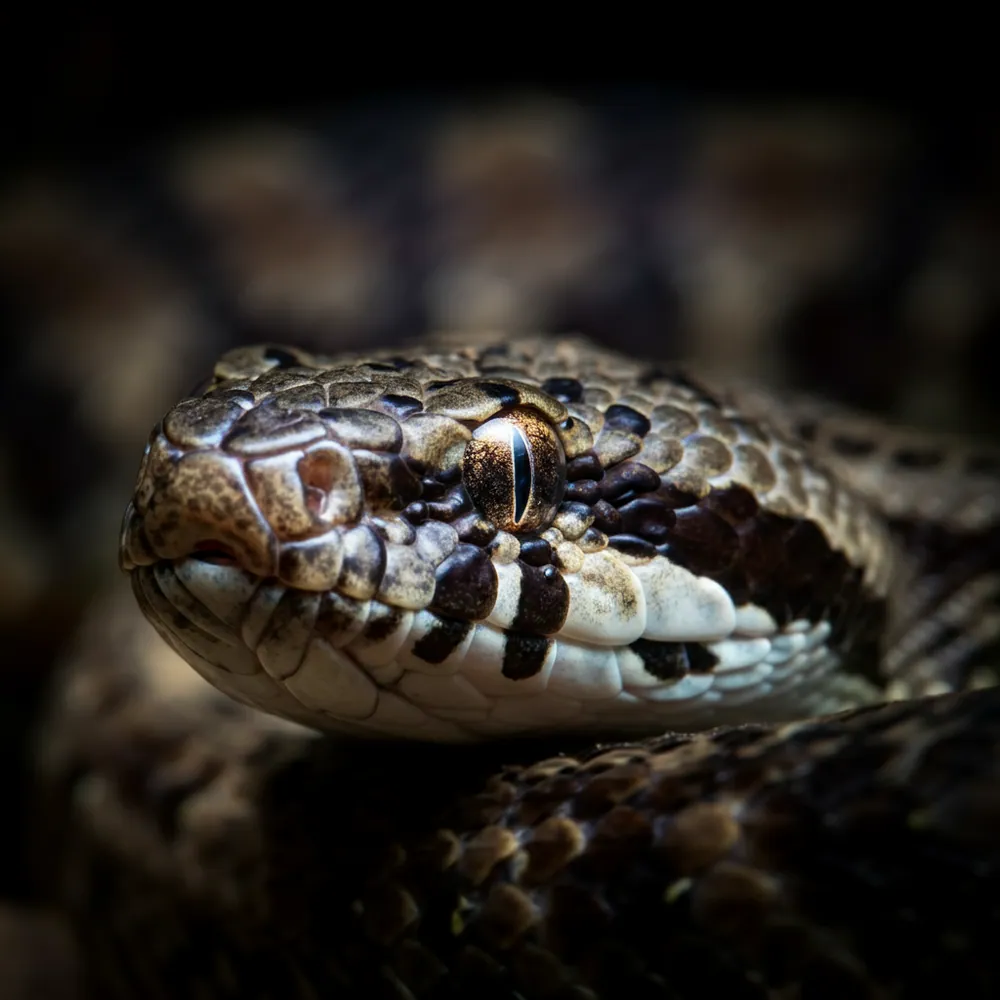
Get ready to meet one of the ocean's coolest, most mysterious creatures – the Short-nosed Seasnake! Imagine a snake that doesn't slither on land but glides through the water like a colorful, living ribbon. This amazing reptile has a super-cute, blunt nose, giving it a friendly look! Its body is flat like a ribbon, helping it twist and turn with incredible speed, and instead of a pointy tail, it has a special paddle to help it zoom effortlessly through coral reefs and seagrass gardens. How awesome is that?
These incredible snakes live their whole lives underwater in warm, tropical oceans, never needing to touch land! They're expert hunters, sneaking through the seabed to find tasty fish and eels. Even though they have venom (like a secret superpower to catch their food!), they are super shy and prefer to avoid people. But here's a super cool fact: even though they live in the ocean, they still need to breathe air! They pop up to the surface for a quick gulp, then dive back down, holding their breath for a super long time thanks to their special lungs.
And guess what? Unlike most snakes that lay eggs, Short-nosed Seasnakes give birth to live babies right there in the ocean! Talk about being perfectly suited for sea life! This incredible snake is like a silent guardian of the reefs, helping to keep the ocean healthy. Learning about amazing animals like the Short-nosed Seasnake helps us understand why it's so important to protect our precious marine environments!
Where the short-nosed seasnake still lives — Australia
Short-nosed Seasnakes live in beautiful coral reefs, but these reefs are getting hurt or disappearing. When their coral homes are damaged, these snakes lose their safe places to live and hunt for food.
Being done about itScientists and conservationists are working hard to protect coral reefs by setting up special ocean parks and even growing new corals to replant. This helps make sure the Short-nosed Seasnakes have healthy homes to live in again.
Climate change
Climate change makes the ocean water warmer, which is really bad news for the coral reefs where these snakes live. This warming can also make it harder for the snakes to find food or even survive and have healthy babies.
Being done about itTo fight climate change, people are trying to use less energy from burning fossil fuels and find cleaner ways to power our world. Scientists are also looking for ways to grow corals that can handle warmer water better, helping to save the snakes' homes.
Scientists are on a very important mission, working hard to protect their homes by creating special ocean parks where fishing is restricted, and they are also studying these snakes to learn how to keep them safe from dangers like accidental fishing nets.