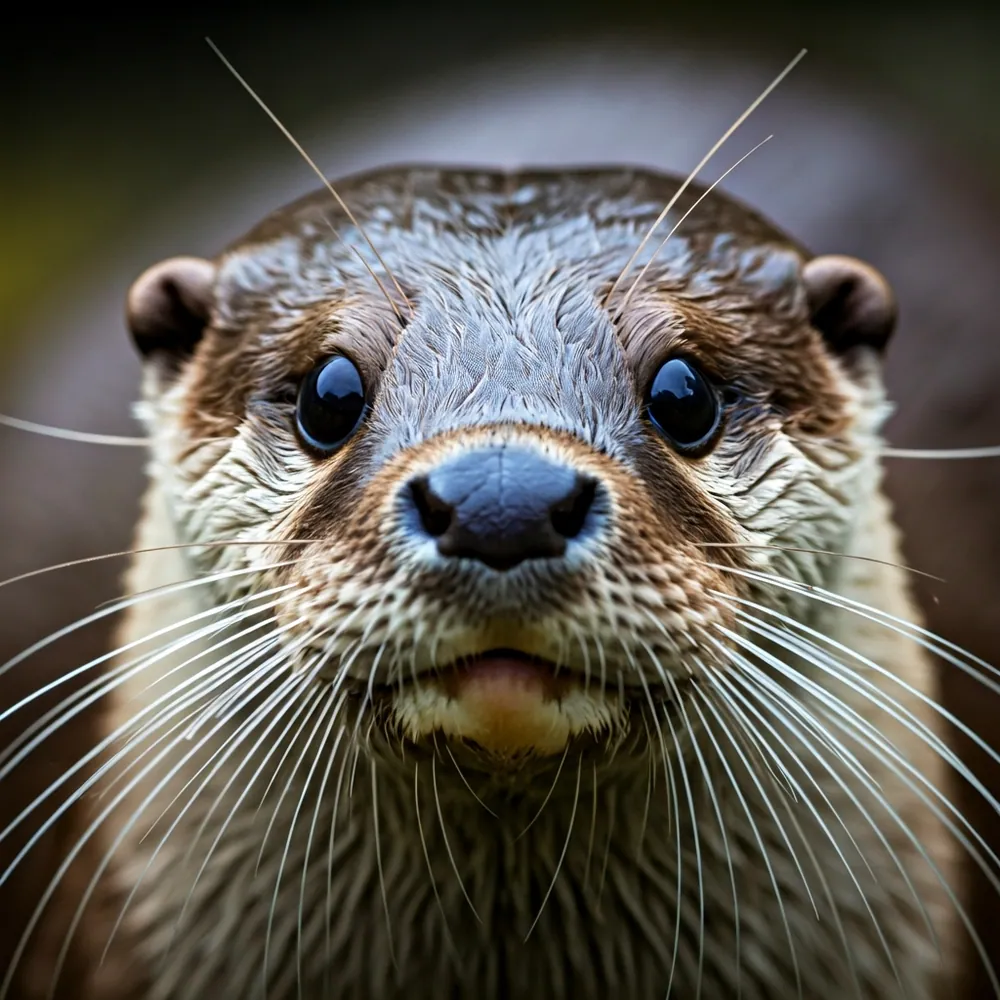
Hey adventurers! Get ready to meet one of the ocean's fluffiest superstars: the SEA OTTER! Imagine wearing a coat so incredibly thick, it has *one million* hairs per square inch – that's what keeps these amazing creatures warm in the chilly ocean! They don't have blubber like whales, so their super-dense fur is their secret weapon, trapping air to stay toasty. That's why you'll often see them endlessly grooming, making sure every strand is just right. With their cute whiskered faces and playful dives, these ocean acrobats are always ready for fun!
But wait, there's more! Sea otters are also super smart. Ever seen an animal use a tool? These clever critters will float on their backs, using their tummies as a handy dining table. Then, they'll grab a rock, balance it on their chest, and *smash* open tasty shellfish like clams and crabs! Talk about a smart way to get dinner! And when it's time for a nap, they often hold paws with their otter friends, forming a "raft" so they don't drift away while they snooze. How adorable is that?
Beyond their cuteness and cleverness, sea otters are true ocean heroes! They're like the gardeners of the sea. By munching on spiky sea urchins, they stop these critters from eating all the precious kelp forests. These towering underwater jungles are super important homes and nurseries for tons of other fish and marine life. So, just by being themselves and enjoying their favorite snacks, sea otters keep the entire ocean healthy and bustling. They truly are furry guardians of the sea, making them incredibly special!
It is longer than a grown-up is tall.
Where the sea otter still lives — USA, Canada, Russia
Sea otters live in the ocean, so trash like plastic bags and dangerous oil spills directly harm them. Oil makes their special fur lose its warmth, and plastic can make them very sick if they accidentally eat it.
Being done about itMany people are working hard to clean up beaches and oceans, and scientists are finding better ways to clean up oil spills safely to protect otters. We can all help by reducing our trash and recycling!
Climate change
Climate change makes ocean waters warmer and changes the places where sea otters find their favorite foods, like clams and crabs. This makes it harder for them to find enough to eat and stay healthy.
Being done about itScientists are studying exactly how climate change affects otters and their food, and many people are working to use less energy and find cleaner ways to power our homes and cars, which helps slow down climate change.
Poaching / Illegal hunting
In the past, sea otters were hunted a lot for their super soft fur, which almost made them disappear completely from the world. Even though it's mostly illegal now, some otters can still be harmed by illegal activities.
Being done about itStrong laws are in place to protect sea otters from hunting, and wildlife rangers patrol their ocean homes to make sure they are safe. Thanks to these protections, sea otter numbers are slowly growing back in many areas!
Brave scientists and animal rescuers are on a special mission to save sea otters! They work hard to clean up their ocean homes, rescue sick or injured otters in special "hospitals" (called rehabilitation centers), and even help them have babies to bring more fuzzy pups into the world.
Also known asEnhydra lutris
GroupAnimal
HabitatOcean
DietMainly eats marine invertebrates like sea urchins, crabs, clams, and snails.
PredatorsGreat white sharks, orcas, and bald eagles (for pups).
Lifespan10 - 20 years
SizeUp to 1.5 m (5 ft) long; 14 - 45 kg (31 - 99 lb)