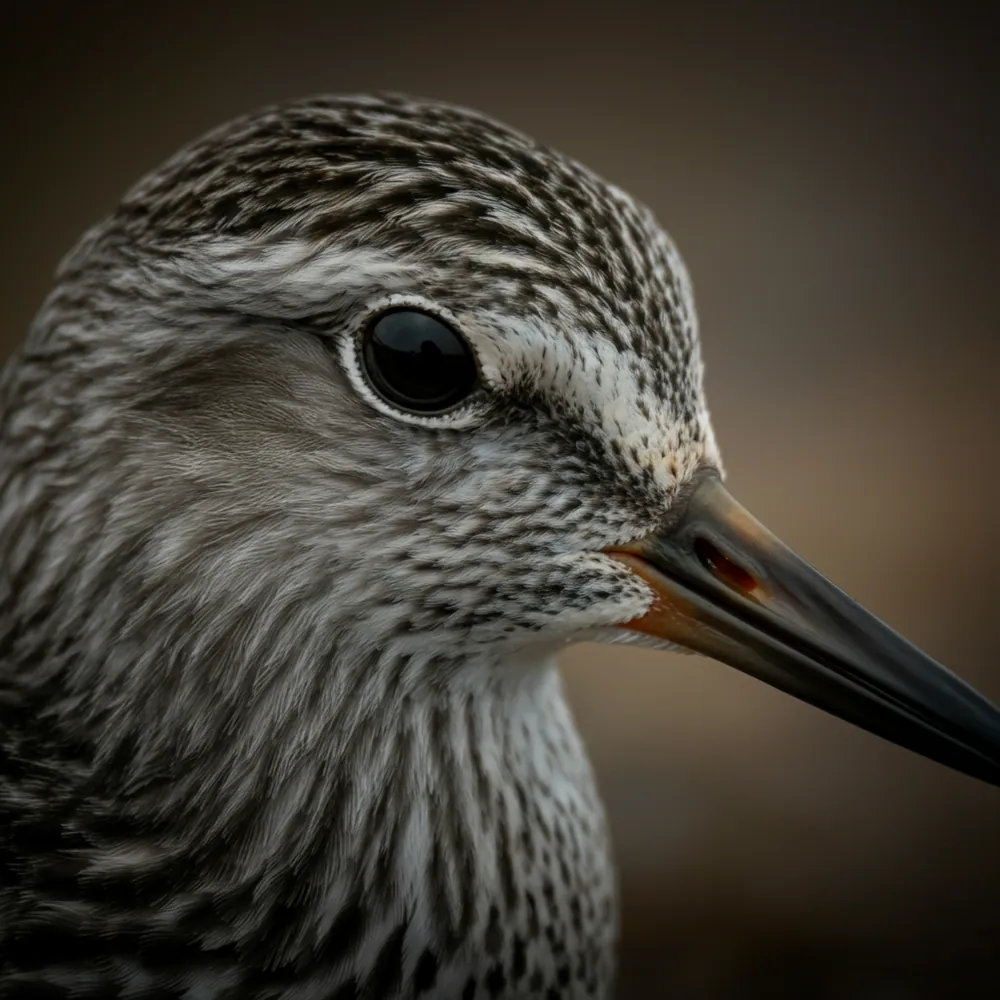
Hey nature explorers! Get ready to meet a true superhero of the bird world: the Red Knot! Imagine a bird about the size of a robin, but a bit tougher, that completely changes its outfit with the seasons. In spring, these amazing birds transform into a living sunset, showing off a dazzling brick-red face, neck, and belly that looks like it's been painted just for them! But wait, in winter, they swap their fancy red clothes for a super-camouflage grey and white, perfect for blending in on sandy beaches while they use their special sturdy beak to poke around for yummy snacks.
But here's where the Red Knot truly becomes a legend! These feathered adventurers go on one of the *longest* journeys on Earth – flying nearly 10,000 miles from the chilly Arctic all the way to the sunny tip of South America and then back again! Can you imagine flying that far, just using your own wings? They travel in giant, swirly flocks, like a feathered cloud moving across the sky. Along the way, they make super important pit stops, like at Delaware Bay, where they gobble up tons of super-protein-packed horseshoe crab eggs. It's like their special rocket fuel for the next part of their incredible marathon flight!
Why is this little bird so special? Well, the Red Knot is like a tiny detective for our planet! Scientists watch them closely because if the Red Knots are doing well, it means the huge coastal places they visit, from the frozen Arctic to warm beaches, are healthy too. Their incredible journey reminds us how everything in nature is connected, like a giant puzzle. If one piece changes, it can affect the Red Knot, and so many other animals too! Isn't that amazing? The Red Knot truly shows us how precious and connected our world is!
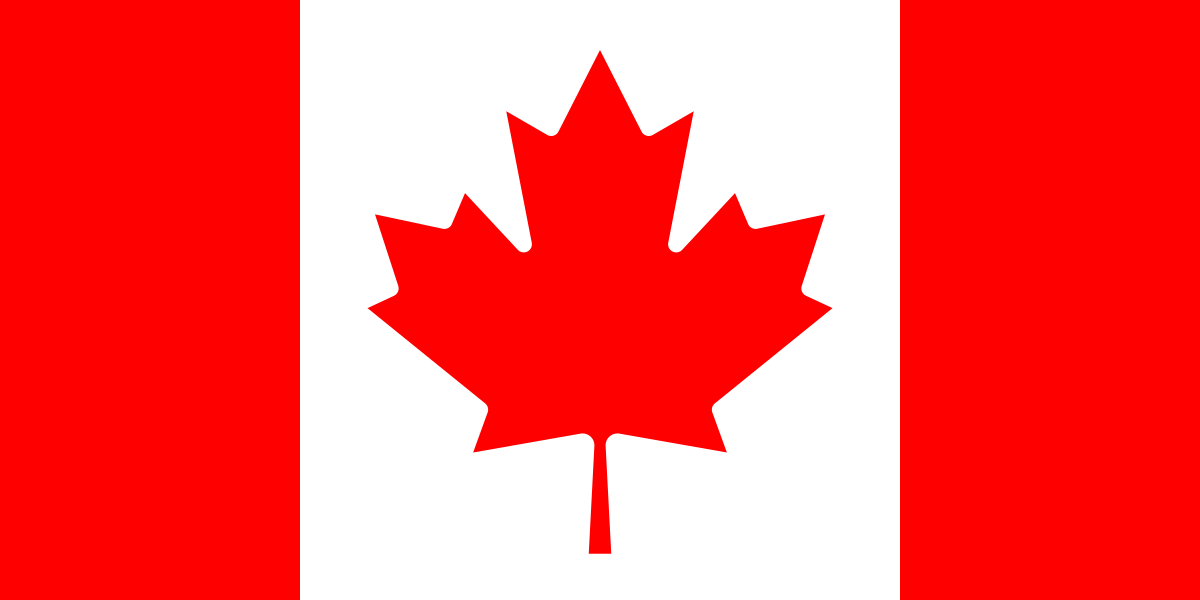
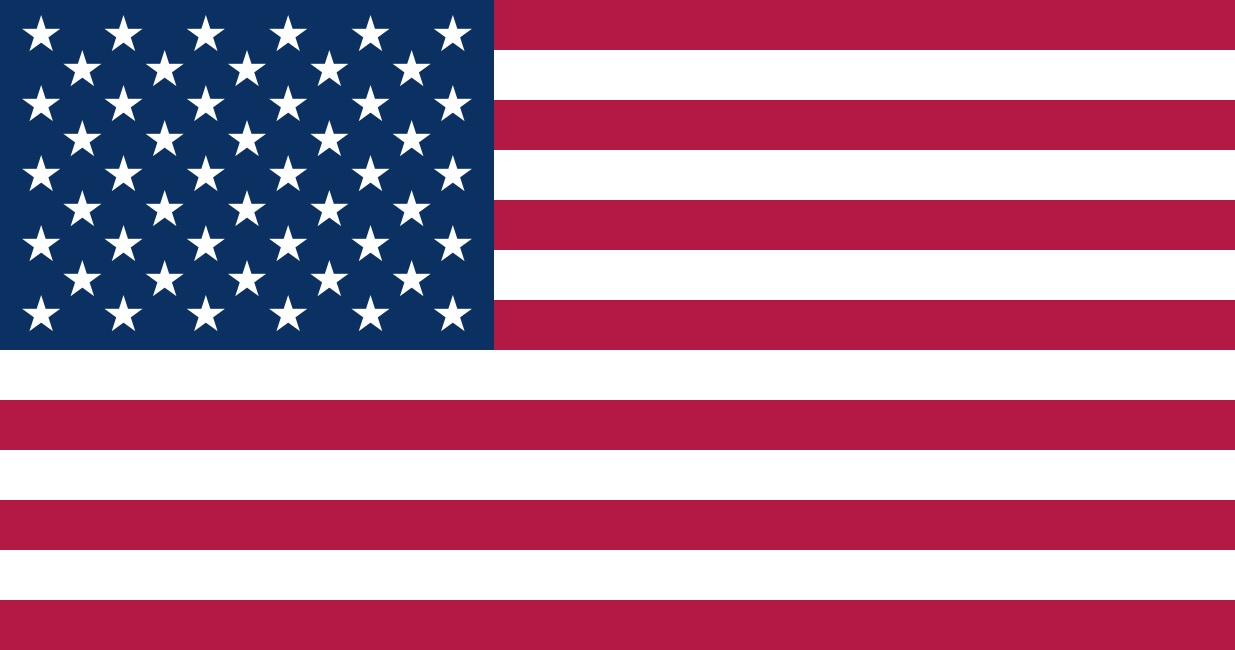
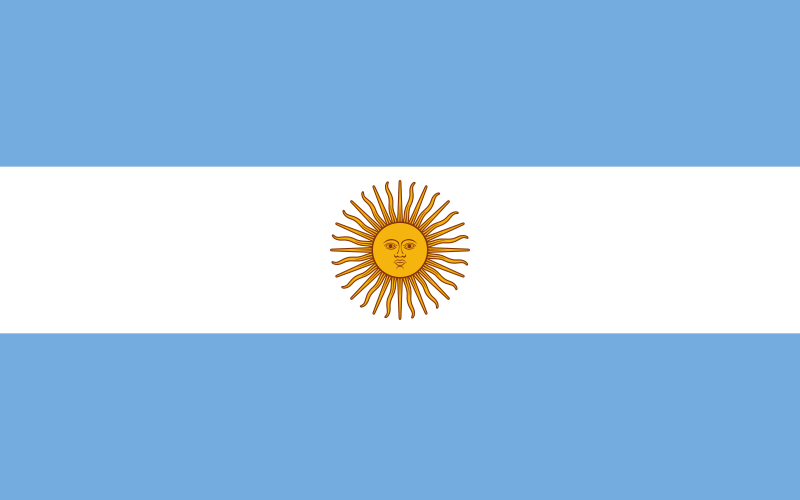
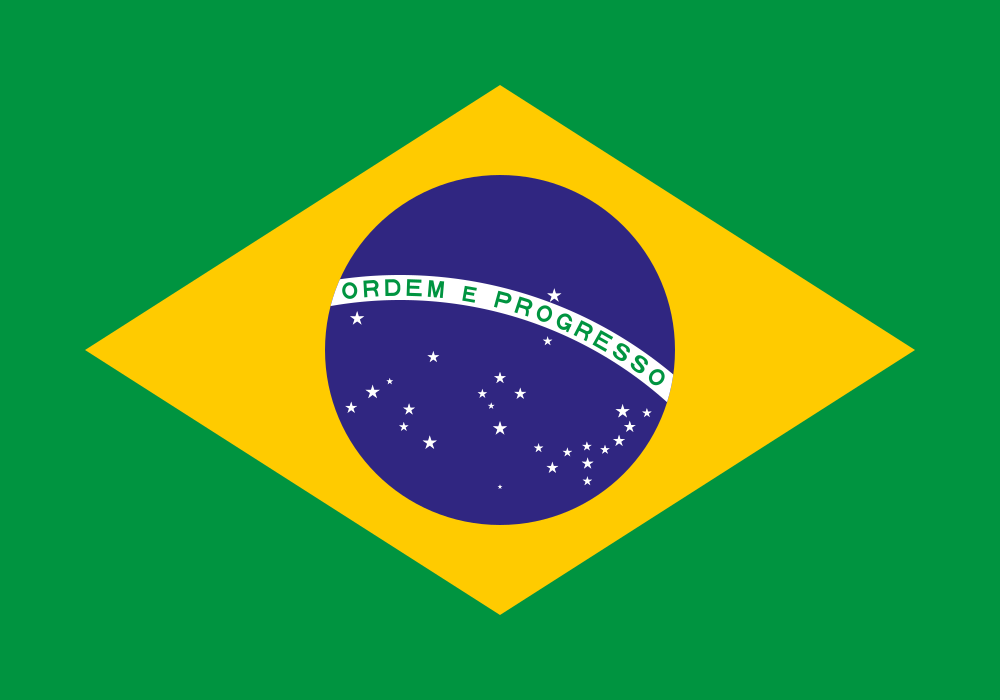
Where the red knot still lives — Canada, United States, Argentina, Chile, Brazil
Red Knots travel thousands of miles and need specific beaches and mudflats to rest and eat, especially delicious horseshoe crab eggs. Sadly, many of these important stopping points are disappearing or becoming too busy because of human development like buildings and roads.
Being done about itPeople are working hard to protect these vital beaches and mudflats, setting aside special areas where Red Knots can safely rest and refuel without being disturbed. They also work to make sure there's enough food, like horseshoe crab eggs, available for them.
Climate change
Climate change means the world's weather is changing, causing sea levels to rise and flooding the coastal beaches Red Knots need for food and rest. It can also mess up the timing of when their food is available, making it harder for them to find enough to eat.
Being done about itScientists are studying how climate change affects Red Knots to help us understand and plan for their future, like finding new safe places for them. Everyone can help by trying to use less energy and protect our planet, which slows down climate change and keeps their homes safe.
But don't worry, many people are working hard to protect Red Knots! Scientists and volunteers are like bird detectives, making sure their important resting and feeding spots, especially beaches rich with horseshoe crab eggs, are safe and clean so these little travelers can refuel for their incredible journeys.