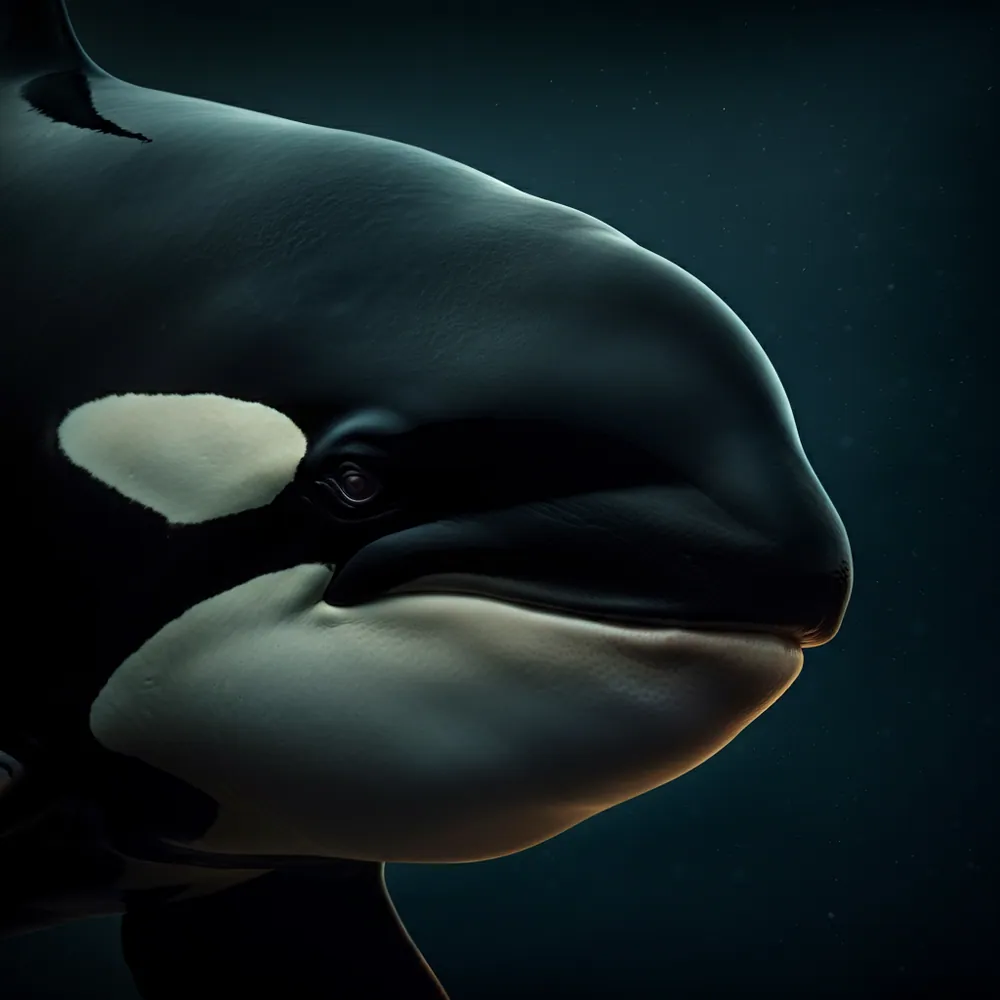
Get ready to dive deep and meet one of the ocean's most incredible superstars – the Orca! You might know them as "killer whales," but here's a super cool secret: they're actually the biggest, most powerful members of the dolphin family! Imagine a giant, sleek, black-and-white torpedo zipping through the water. That towering, sickle-shaped fin on their back can be as tall as a grown-up, cutting through the waves, and a special grey patch behind it is like their very own unique fingerprint, helping scientists tell them apart!
But Orcas aren't just strong; they're super smart and super social too! They live in amazing family groups called pods, and they chat with each other using a secret language of clicks, whistles, and squeaks – each pod even has its own special dialect, like different accents! These brainy beasts are masters of teamwork, working together to hunt in incredible ways, from splashing their tails to herd fish to creating giant waves that wash seals right off ice floes. Watching them leap high into the air or peek their heads out of the water to get a better look around is absolutely breathtaking! They truly are the ocean's ultimate team players and top predators!
Imagine the ocean as the orca's home; pollution, like plastic bags and harmful chemicals, makes their home dirty and sick. Orcas can accidentally eat trash or get sick from tiny bits of pollution that build up in the fish they eat, hurting their bodies and making it hard to stay healthy.
Being done about itMany people are working hard to clean up our oceans, organizing beach cleanups and inventing ways to stop pollution from getting into the water. We can all help by recycling, using less plastic, and making sure our trash goes in the bin, keeping the orcas' home sparkling clean.
Prey scarcity
Orcas need lots of food like salmon and seals to stay strong, but sometimes there aren't enough fish in the ocean for them to hunt. This happens because humans might catch too many fish, or changes in the ocean make it harder for the orcas' food to find safe places to live and grow.
Being done about itScientists and governments are working together to make sure there are enough fish in the ocean for both people and orcas. They set rules for fishing and protect important ocean areas where fish and seals live, helping to keep the orcas' pantries full.
Even though orcas are doing well, super scientists and ocean heroes are working hard to keep their ocean homes clean from plastic pollution and make sure they have plenty of yummy fish to eat. This important mission helps keep orcas healthy and happy for a long, long time!
Also known asOrcinus orca
GroupAnimal
HabitatOcean
DietApex predators with a varied diet including fish, seals, sea lions, and other marine mammals.
PredatorsNone, they are apex predators.
Lifespan50 - 90 years
SizeUp to 9.8 m (32 ft) long and can weigh over 6, 000 kg (13, 200 lbs).