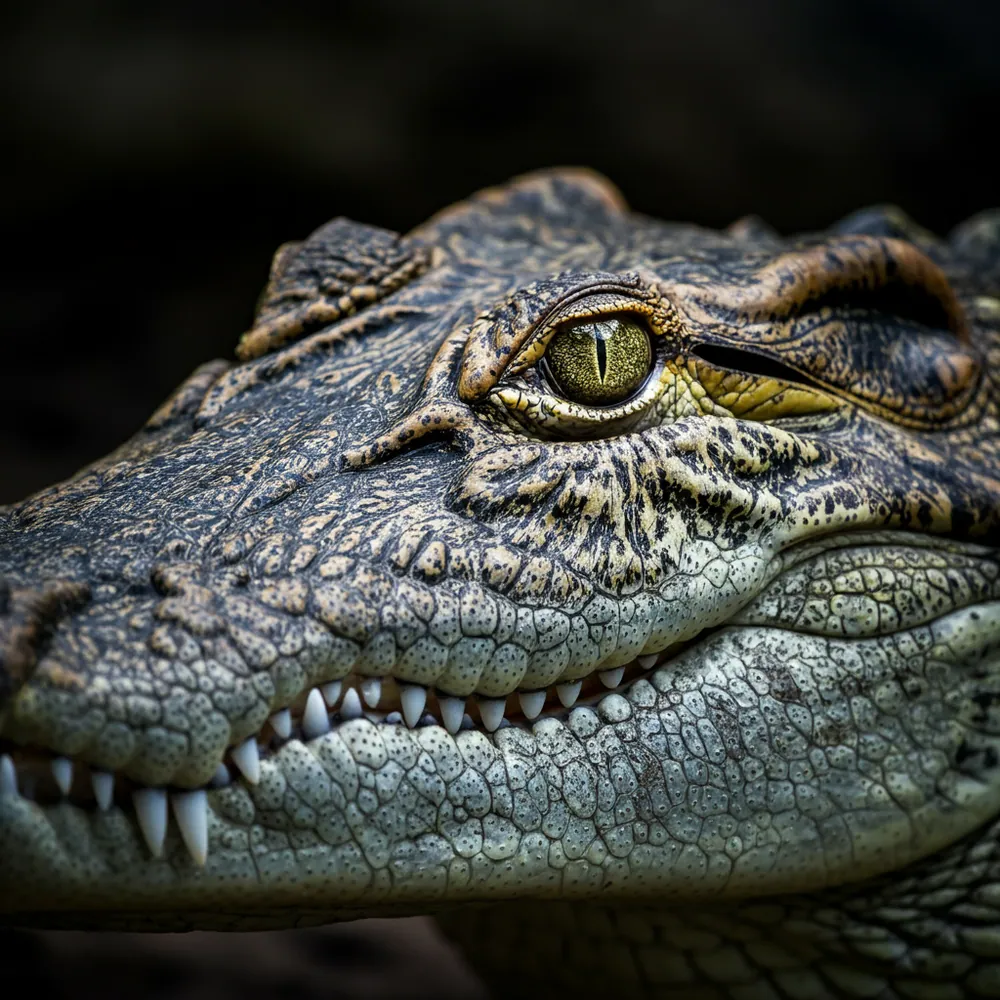
Hey nature explorers! Get ready to meet a true river giant, the incredible Orinoco Crocodile! Imagine a reptile so long, it could stretch across your classroom – some grown-up males are even longer than a small school bus, over 20 feet! This amazing croc is a master of disguise, with skin the color of olive trees and sandy riverbanks, often covered in cool spots and stripes. This helps it disappear like magic in its watery home. But what makes it super special is its long, skinny snout, perfect for catching fish with a lightning-fast snap! Don't let that slender snout fool you though, its jaws are packed with super-sharp teeth, ready for any meal.
These magnificent creatures live in the wild rivers of South America, especially the mighty Orinoco River, where they are kings of their watery kingdom. They love to hang out quietly, sometimes soaking up the sun on sandy banks to warm up, and sometimes lurking just beneath the surface, waiting patiently for a tasty snack like a fish or even a capybara (which is like a giant guinea pig!). But they're not just awesome hunters; Orinoco Crocodiles are like the river's superheroes! They help keep the entire river healthy by making sure no one animal gets too numerous, and their big dens even provide homes and water for other animals during dry times. Sadly, these fantastic giants are super rare and need our help to survive, so protecting them means protecting the whole amazing river world they call home!
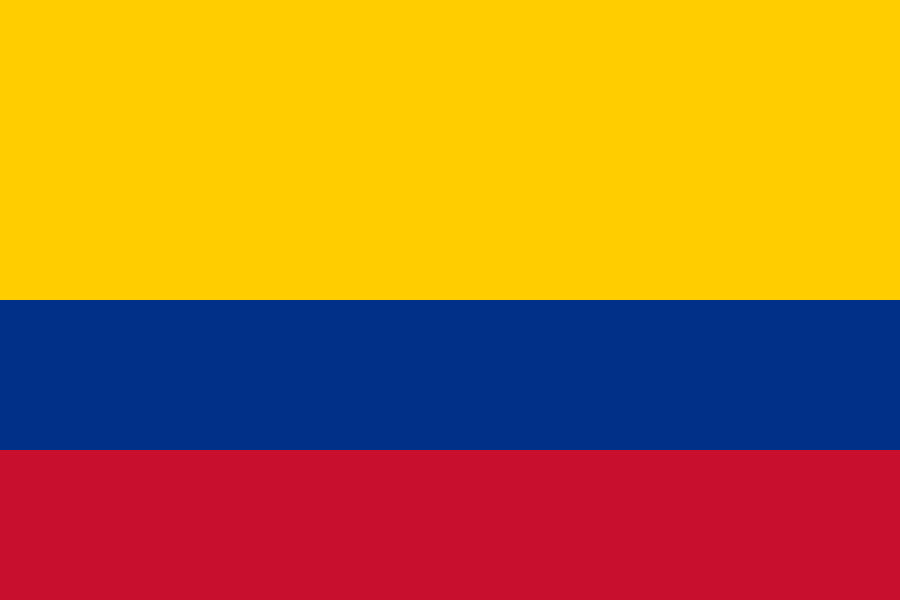
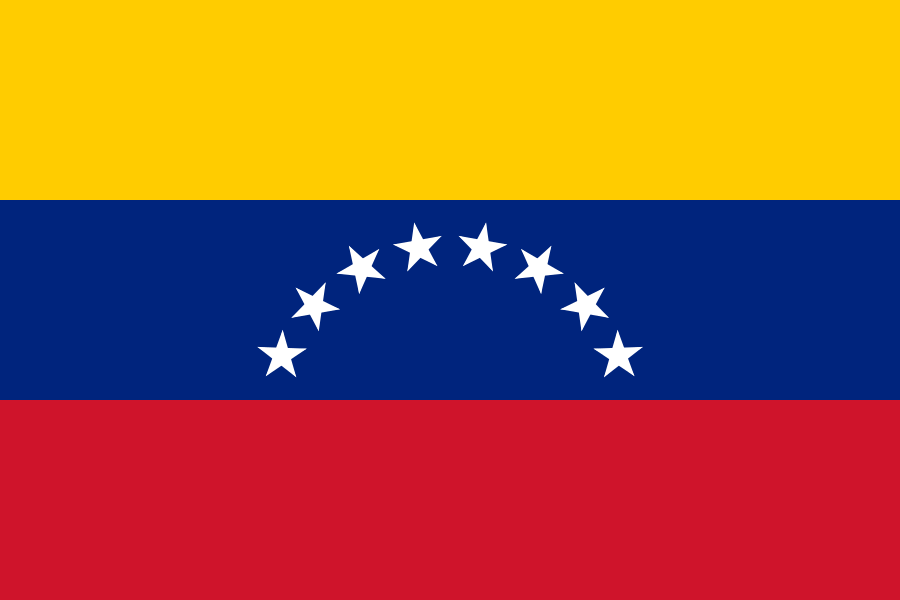
Where the orinoco crocodile still lives — Colombia, Venezuela
Imagine if someone built a big road right through your backyard! That's kind of what's happening to the Orinoco Crocodiles; people are building farms, towns, and dams that destroy their river homes and nesting spots.
Being done about itScientists and rangers are working hard to protect special river areas where these crocodiles live, making sure these places stay wild and safe for them. They're also helping to restore damaged riverbanks and clean up the water.
Poaching / Illegal hunting
Sadly, some people still illegally hunt Orinoco Crocodiles for their valuable skin or meat, even though it's against the law. This makes it very difficult for these already rare crocodiles to have enough babies and grow their population.
Being done about itWildlife rangers patrol the rivers to stop illegal hunting and catch poachers who are harming the crocodiles. They also teach local communities about how special these crocodiles are and why it's important to protect them.
But don't worry, brave scientists and conservation heroes are working hard to save them! They collect baby crocodiles to raise them big and strong in safe places (called 'head-starting' programs) before releasing them, and they're also protecting their special river homes to help these amazing crocs make a comeback.
Also known asCrocodylus intermedius
GroupAnimal
DietCarnivore
SizeAdult males typically 200-380 kg (440-840 lbs), with some individuals exceeding 400 kg (880 lbs). Females are smaller, averaging 100-200 kg (220-440 lbs).