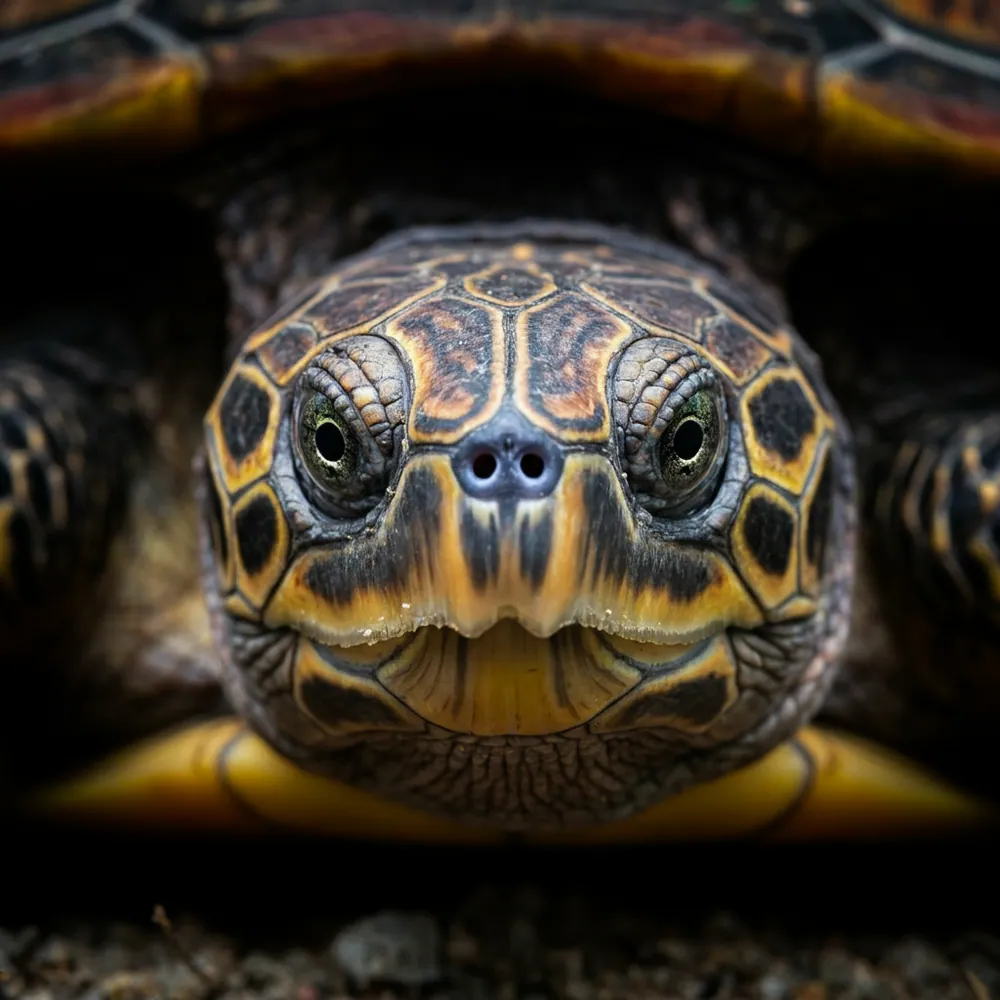
Get ready to dive into the amazing world of the Olive Ridley sea turtle! Imagine a super cool, heart-shaped shield, gleaming in shades of olive-green and brown, gliding gracefully through the ocean. That's our friend, the Olive Ridley! These incredible turtles are actually the smallest of all sea turtles, but don't let their size fool you. With powerful, paddle-like flippers, they zoom through the water with incredible speed and agility, exploring vast underwater worlds like true ocean adventurers!
What do these ocean explorers eat? They're like underwater snackers, munching on crabs, snails, jellyfish, and even some yummy sea plants! But here's where it gets *really* wild: imagine hundreds, sometimes even *thousands*, of female Olive Ridleys all coming ashore at the *exact same time* to lay their eggs! This incredible gathering is called an "Arribada" – a Spanish word for "arrival" – and it's like a giant turtle party on the beach! By nesting together, they keep hungry predators guessing, giving their tiny hatchlings the best chance to race to the safety of the sea.
These "gardeners of the sea" don't just look cool; they help keep our oceans healthy by munching on jellyfish and stirring up the sand on beaches. They are super important for our planet! But even these tough little turtles need our help. Things like plastic pollution and getting tangled in fishing nets can make their lives tough. So, let's learn all we can about the awesome Olive Ridley and become ocean heroes, helping protect these magnificent creatures for many, many years to come!
Where the olive ridley turtle still lives — Mexico
Imagine a yummy jellyfish, but it's actually a plastic bag! Olive Ridley turtles often mistake plastic bags for food, which makes them very sick. They can also get tangled in plastic trash floating in the ocean.
Being done about itMany people are working hard to clean up our beaches and oceans, picking up plastic and rubbish. Scientists are also finding ways to use less plastic and recycle more to keep our turtle friends safe.
Habitat loss
Olive Ridley turtles need quiet, sandy beaches to lay their eggs, but sometimes these beaches are taken over by buildings or bright lights. These changes make it hard for mommy turtles to find a safe spot, and baby turtles can get confused by the lights.
Being done about itConservationists are working to protect important nesting beaches, making sure they stay wild and dark for the turtles. They also help restore special ocean areas like mangroves where turtles like to eat and rest.
Bycatch / Overfishing
Sometimes, Olive Ridley turtles accidentally get caught in big fishing nets meant for other ocean creatures. This 'bycatch' can trap them underwater, making it hard for them to breathe and causing them harm.
Being done about itFishermen are learning to use special nets that have escape hatches for turtles, called Turtle Excluder Devices (TEDs). Also, rangers help set rules about fishing in areas where turtles live, to keep them safe.
Brave scientists and volunteers are on a special mission to protect these turtles by carefully watching over their nesting beaches to keep baby turtles safe, and by working hard to clean up plastic from the ocean.