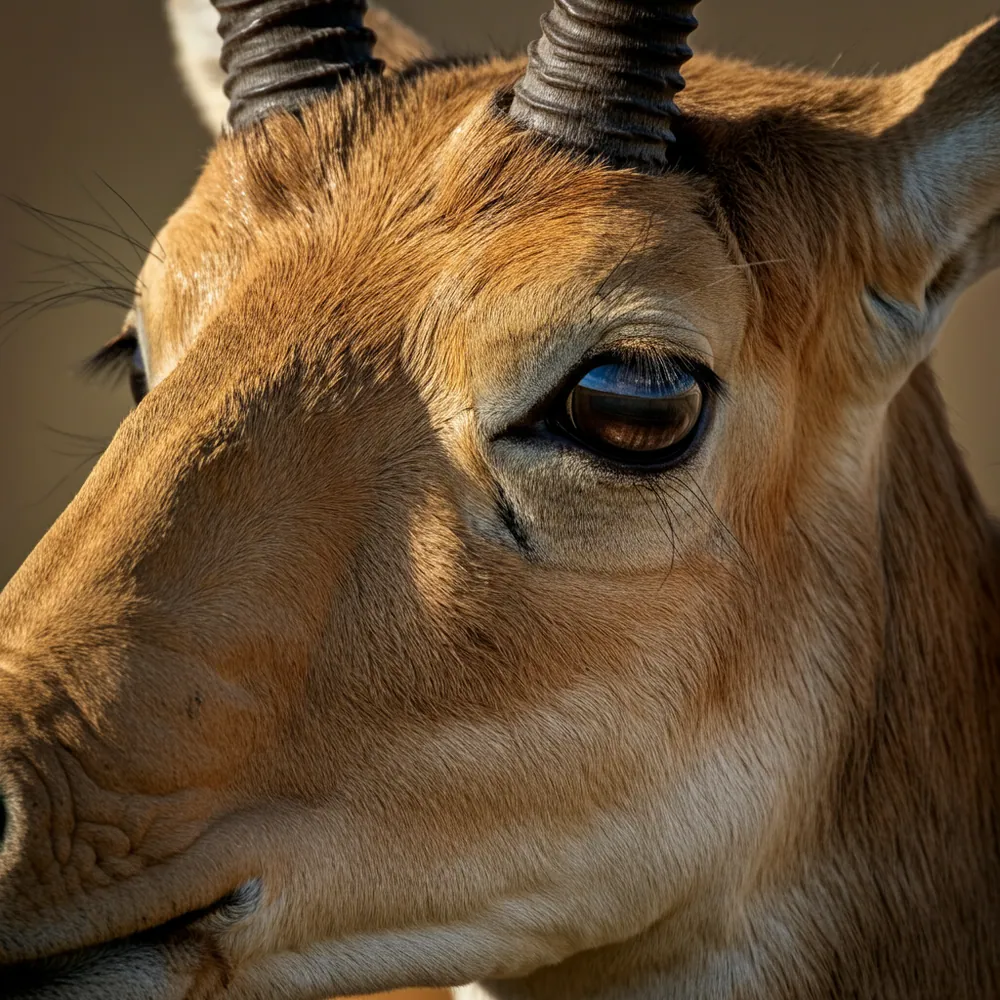
Hold onto your hats, adventurers, because today we're meeting an animal that looks like it galloped straight out of a prehistoric dream! Say hello to the amazing Saiga Antelope! Its most amazing feature? A super-duper, squishy, floppy nose that looks like a little trunk! But this isn't just for show; it's a brilliant 'super-sniffer' that helps it breathe. It filters out dusty winds and warms up icy air before it even reaches their lungs. How cool is that for a built-in air conditioner and dust filter?
These incredible creatures are true champions of the wild, always on the move in enormous herds across the vast lands of Central Asia. Imagine thousands of them moving together, like a living, galloping carpet! Saigas are super speedy, easily outrunning hungry wolves, and they munch on plants, helping to keep their grasslands healthy and spreading seeds. The boy Saigas even grow magnificent, ridged horns that curve elegantly backward, making them look even more like ancient royalty.
But here's a secret: these amazing 'living fossils' are super important to their home, like nature's gardeners and engineers, keeping everything balanced. Sadly, there aren't many Saigas left, which means they really need our help! Protecting these wondrous, unique creatures isn't just about saving one animal; it's about protecting an entire ecosystem. Isn't that something truly special to be a part of?
Where the saiga antelope still lives — Kazakhstan, Russia, Mongolia, Uzbekistan
Saiga antelopes are hunted illegally for their special horns, which some people wrongly believe can be used as medicine. This means many Saiga are killed unfairly, making their numbers shrink quickly.
Being done about itBrave rangers patrol the lands where Saiga live to catch poachers and stop illegal hunting. People are also learning why it's so important to protect these amazing animals and their unique horns.
Disease
Sometimes, Saiga antelopes get very sick from diseases, like a bad infection that spreads quickly through their herds. This can cause many Saiga to die all at once, which is a big problem for their survival.
Being done about itScientists and veterinarians are working hard to understand these diseases and find ways to prevent them from spreading. They watch the Saiga closely and look for signs of sickness to help them stay healthy.
Brave scientists and rangers are like real-life superheroes, working hard to protect Saigas from dangers like poaching and making sure their vast grassland homes are safe. They use cool tools, even drones, to watch over them and help these unique animals make an amazing comeback!