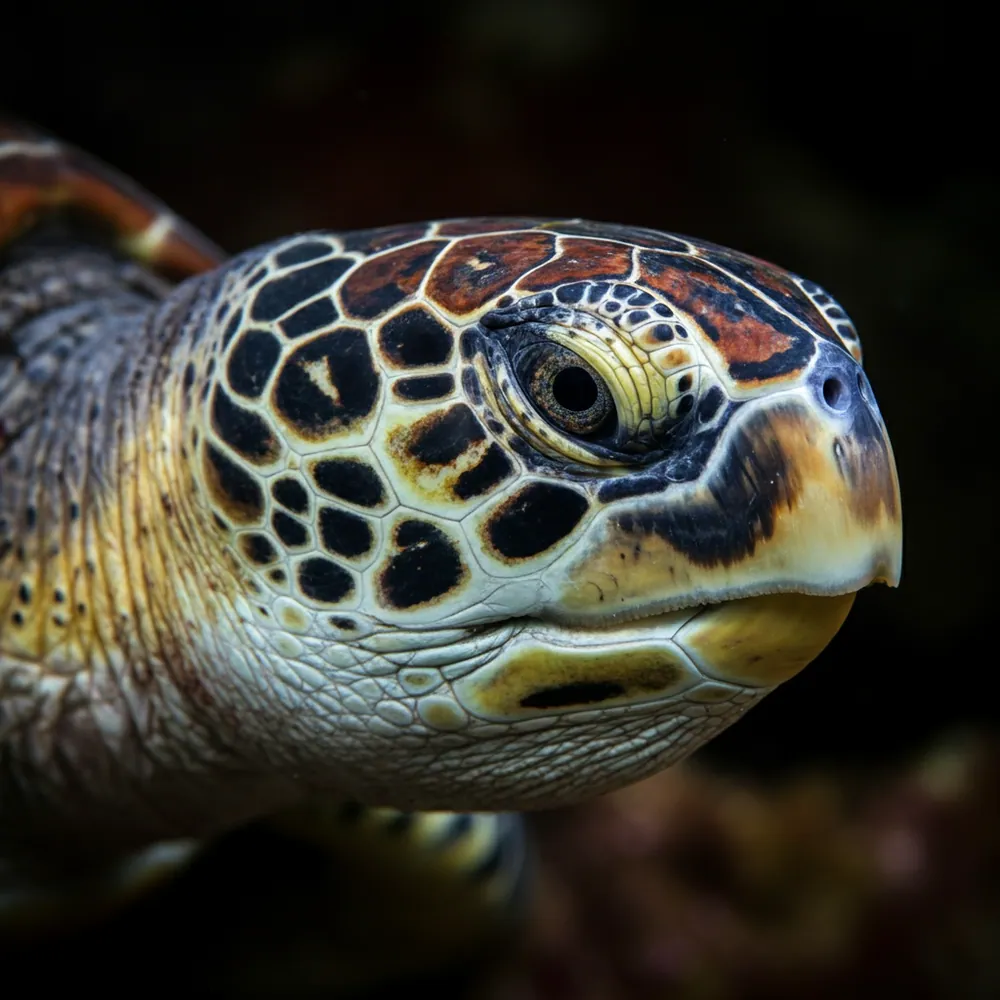
Get ready to dive into the amazing world of the Olive Ridley Sea Turtle! Imagine a super cool creature with a smooth, heart-shaped shell that looks just like a ripe green olive. That's how it got its name! These awesome turtles are like the speedy swimmers of the sea, using their big, paddle-like front flippers to zoom through the water. Their smaller back flippers help them steer, making them super agile and graceful as they explore their giant ocean home. They might be one of the smaller sea turtles, but don't let their size fool you – they're perfectly designed for adventure!
But wait, there's more! While Olive Ridleys love munching on yummy crabs, snails, and even jellyfish, one of the most incredible things they do is called an 'arribada' – that's Spanish for 'arrival'! Picture this: thousands and thousands of female Olive Ridleys all swimming to the same beach at the exact same time, under the starry night sky. They come ashore together to dig their nests and lay their eggs! It's like a giant, synchronized turtle party, and it's one of nature's most breathtaking spectacles, helping keep their precious babies safe from hungry predators.
These gentle giants aren't just fascinating to watch; they're also super important for keeping our oceans healthy! By eating different critters and even munching on algae, they help keep the ocean floor clean and balanced. Their grazing helps coral reefs and seagrass beds stay strong, which are like apartment buildings for tons of other fish and sea creatures. So, when we protect the Olive Ridley Sea Turtle, we're not just saving one amazing animal; we're helping to keep the whole ocean happy and healthy for everyone! How cool is that?
Where the olive ridley sea turtle still lives — Mexico
Olive Ridley sea turtles need quiet, sandy beaches to lay their eggs, but many of these special places are being built on by humans for hotels or homes. Bright lights from buildings can also confuse baby turtles, making it hard for them to find their way to the ocean.
Being done about itPeople are working hard to protect important nesting beaches by making them national parks or special reserves where turtles can lay their eggs safely. They also teach communities near the coast how to keep beaches clean and dark at night so the tiny hatchlings aren't confused.
Bycatch / Overfishing
Sadly, Olive Ridley turtles often get tangled in fishing nets that are meant for other sea animals like fish or shrimp. This accidental catching, called 'bycatch,' can hurt them or even cause them to drown because they can't get to the surface to breathe.
Being done about itScientists and fishermen are working together to design special fishing nets with 'Turtle Excluder Devices' (TEDs). These clever devices have a trapdoor that lets turtles escape from the net while still allowing fishermen to catch their target fish.
Brave scientists and ocean heroes are working hard to protect these turtles, especially by guarding their nesting beaches during amazing "arribadas" when thousands come ashore, and by cleaning up plastic to keep their ocean homes safe.
Also known asLepidochelys olivacea
GroupAnimal
DietCarnivore (primarily feeding on jellyfish, crustaceans, mollusks, and tunicates)