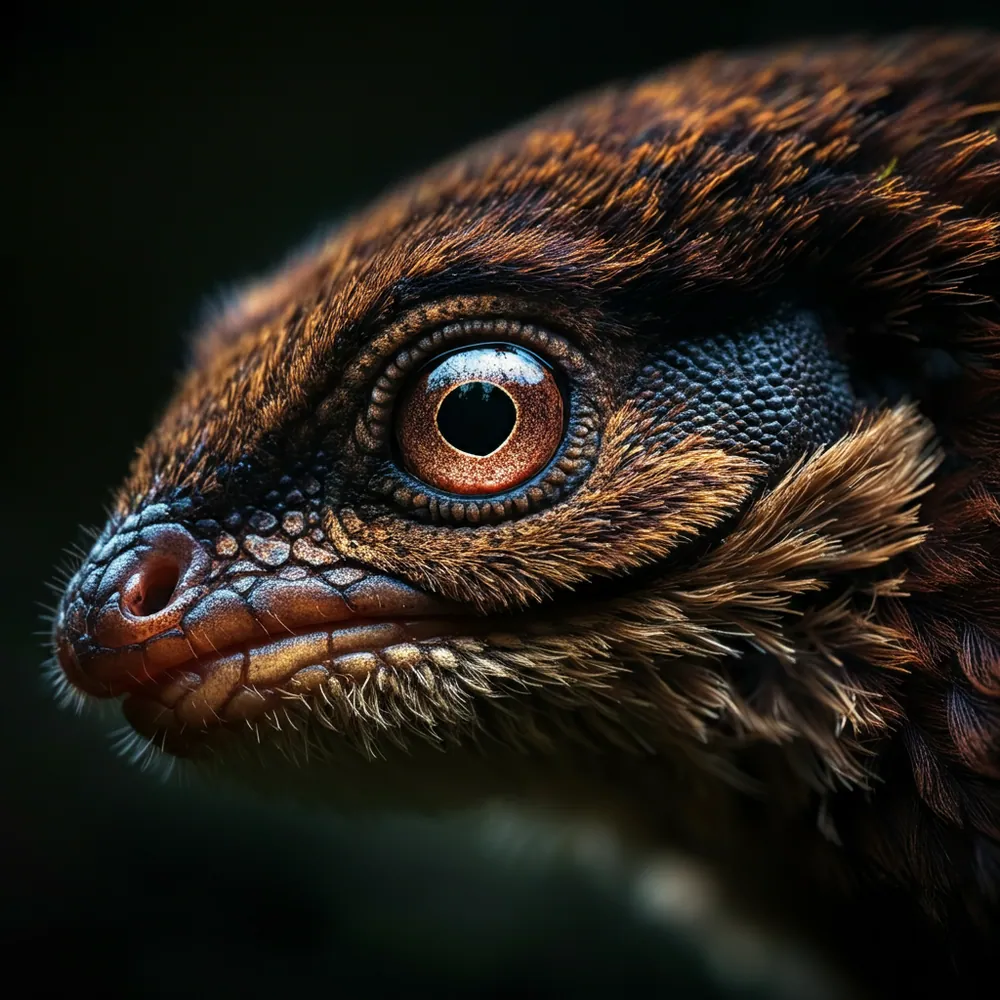
Get ready to meet one of nature's most incredible secrets: the Okapi! Imagine a creature that looks like a secret handshake between a graceful giraffe and a striped zebra, but totally unique! With a velvety, chocolate-brown body and dazzling white and black stripes on its legs, it's like a living, breathing work of art, perfectly camouflaged among the trees. And get this: it has a super long, bluish tongue that's not just for munching tasty leaves, but also for cleaning its own ears – talk about flexible and resourceful!
These amazing "forest giraffes" live a super shy and secret life deep in the steamy rainforests of central Africa. They're like nature's quiet ninjas, using their huge, expressive ears and super-powered noses to sniff out delicious plants and listen for any whispers of danger. But here's the coolest part: Okapis can talk in ways we can't even hear! They use special "infrasound" messages, sending low-frequency sounds through the forest to chat with each other. How awesome is that – a secret language!
But the Okapi isn't just a pretty face; it's a true superhero of the forest! As it quietly munches on over 100 different kinds of plants and fruits, it helps spread seeds, planting new trees and keeping the rainforest healthy and green. Think of it as a vital gardener for one of Earth's most important places. Sadly, these gentle giants are endangered, which means they need our help more than ever. Protecting the Okapi means protecting the whole incredible rainforest it calls home, and all the other amazing creatures living there too!
Imagine if your house disappeared! Okapis are losing their forest homes because people are cutting down trees for farms, wood, and mining. This leaves them with nowhere to live or find their favorite food.
Being done about itScientists and park rangers are working hard to create special protected areas, like national parks, where the Okapi's forest home is safe from harm. You can help by supporting groups that plant trees and teach others about protecting forests.
Poaching / Illegal hunting
Sadly, some people illegally hunt Okapis for their meat or their beautiful striped skin, even though it's against the law. This means fewer and fewer of these shy animals are left roaming in the wild.
Being done about itBrave wildlife rangers patrol the forests to catch poachers and protect Okapis from danger. Scientists also use cameras and special tracking devices to watch over Okapis and learn how to keep them safe from illegal hunting.
Superheroes of conservation are working hard to protect Okapis by creating safe zones, like the Okapi Wildlife Reserve, and even helping baby Okapis be born in special breeding programs at zoos to ensure their future!
Also known asOkapia johnstoni
GroupAnimal
HabitatForest
DietHerbivore that eats tree leaves, buds, grasses, ferns, and fungi.