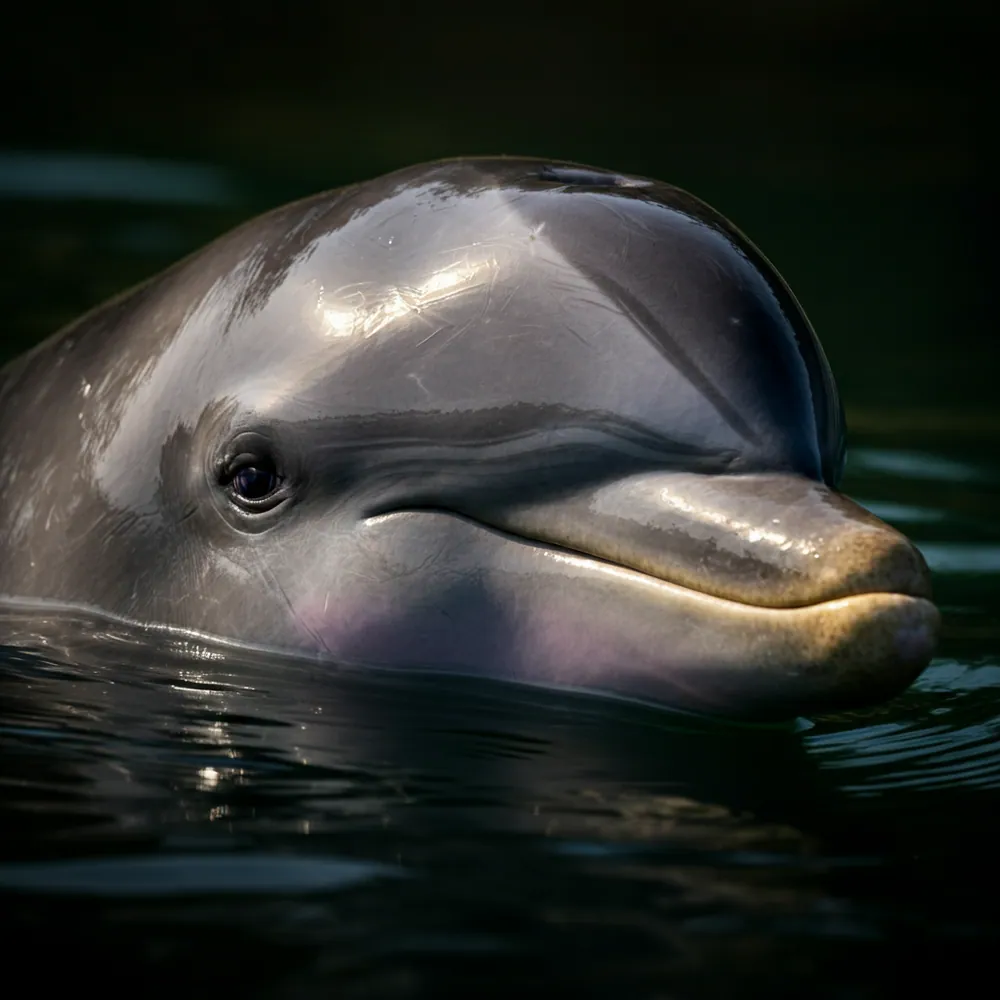
Hey there, future wildlife explorers! Get ready to meet one of the most mysterious and amazing creatures on our planet: the Indus River Dolphin! Imagine living in a world where you can't see anything with your eyes, but you can "see" everything with sound. That's exactly how our super cool friend, often called the "blind dolphin," navigates its murky river home! It has tiny eyes that don't work, but don't worry, it's got a superpower – a natural sonar system! It sends out special clicks and listens to the echoes, creating a perfect picture of its world, just like a superhero's radar. How awesome is that?!
This incredible dolphin is a true master of its environment. With its long, skinny nose packed with sensitive teeth, it can gobble up fish and crabs right from the riverbed. And get this – its neck is super flexible, allowing it to twist and turn through strong currents like a graceful dancer! It's usually a bit shy, spending its days "singing" its way through the water, always on the hunt for its next meal. Every now and then, you might catch a quick glimpse of its dark back as it rolls to the surface for air, before it vanishes back into its watery sound-world.
But this special dolphin is more than just a magnificent swimmer; it's a super important helper for the whole Indus River. It tells us if the river is healthy, and sadly, it needs our help because its home is in danger. Protecting this amazing creature means protecting the entire river, which helps countless other animals and even people! Isn't it incredible how one animal can be so important?
Where the indus river dolphin still lives — Pakistan
Plastic bags, garbage, and harmful chemicals from farms and factories often end up in the Indus River. This makes the dolphins' home dirty and full of poisons, which can make them very sick or hurt their food supply.
Being done about itPeople are working hard to clean up the river and teach everyone not to throw trash or chemicals into the water. Scientists are also finding better ways for factories to treat their waste so it doesn't harm the dolphins' home.
Habitat loss
Big dams and barrages built on the Indus River to control water for farms and cities block the dolphins from moving freely. This splits their families into small groups, making it tough for them to find food and other dolphins to have babies with.
Being done about itConservationists are trying to create special safe zones for the dolphins and sometimes even build channels that help them swim past these big barriers. They are also working with governments to make sure new projects don't destroy the dolphins' precious river home.
Bycatch / Overfishing
Indus River Dolphins can accidentally get tangled in fishing nets meant for fish, which makes it hard for them to breathe and swim. Also, if too many fish are caught by people, the dolphins don't have enough food left to eat.
Being done about itFishermen are learning to use special nets that dolphins can see or escape from more easily, and they are taught how to safely release any dolphins that get caught. Scientists and local communities are also working together to manage fishing, ensuring there's always enough fish for both people and dolphins.
Brave scientists and conservationists are working hard to protect these special dolphins by cleaning up their river homes and making sure they don't get tangled in fishing nets, which is a super important mission! Organizations like WWF Pakistan are leading the charge to keep these amazing creatures safe for the future.