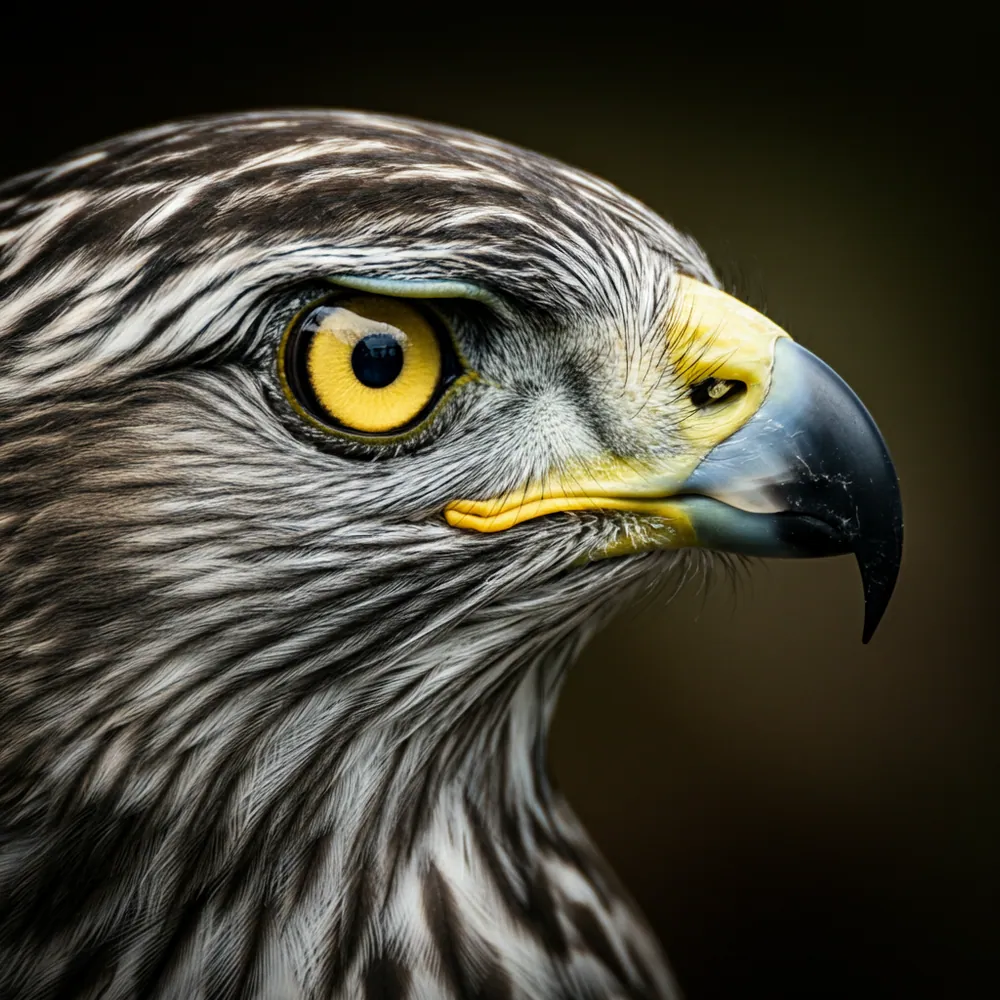
Hey there, nature explorers! Get ready to meet one of the coolest birds of the rainforest – the Grey-backed Hawk! Imagine a super-sleek, secret agent of the sky, all dressed in a magnificent slate-grey jacket with a pure white belly. With its piercing yellow eyes and powerful yellow legs, this hawk is like a feathered superhero, silently soaring through the dense tropical trees of Central and South America. It’s truly a breathtaking sight!
But this hawk isn't just a pretty face; it's a hunting superstar! The Grey-backed Hawk is a master of stealth, often perching perfectly still on a high branch, its sharp eyes scanning for any tiny movement. Then, *WHOOSH!* It launches into an incredible, lightning-fast dive, weaving through leaves and branches like a flying ninja to snatch up lizards, frogs, or even a tasty insect for dinner. Its reflexes are so quick, it's almost impossible to believe!
These amazing birds do more than just hunt; they help keep the whole forest healthy and balanced. By being a top predator, the Grey-backed Hawk makes sure other animal populations don't get too big, which helps all the plants and animals thrive. So, next time you think about incredible wildlife, remember this elegant, silent hunter – a true guardian of the rainforest and a super special part of our amazing planet!
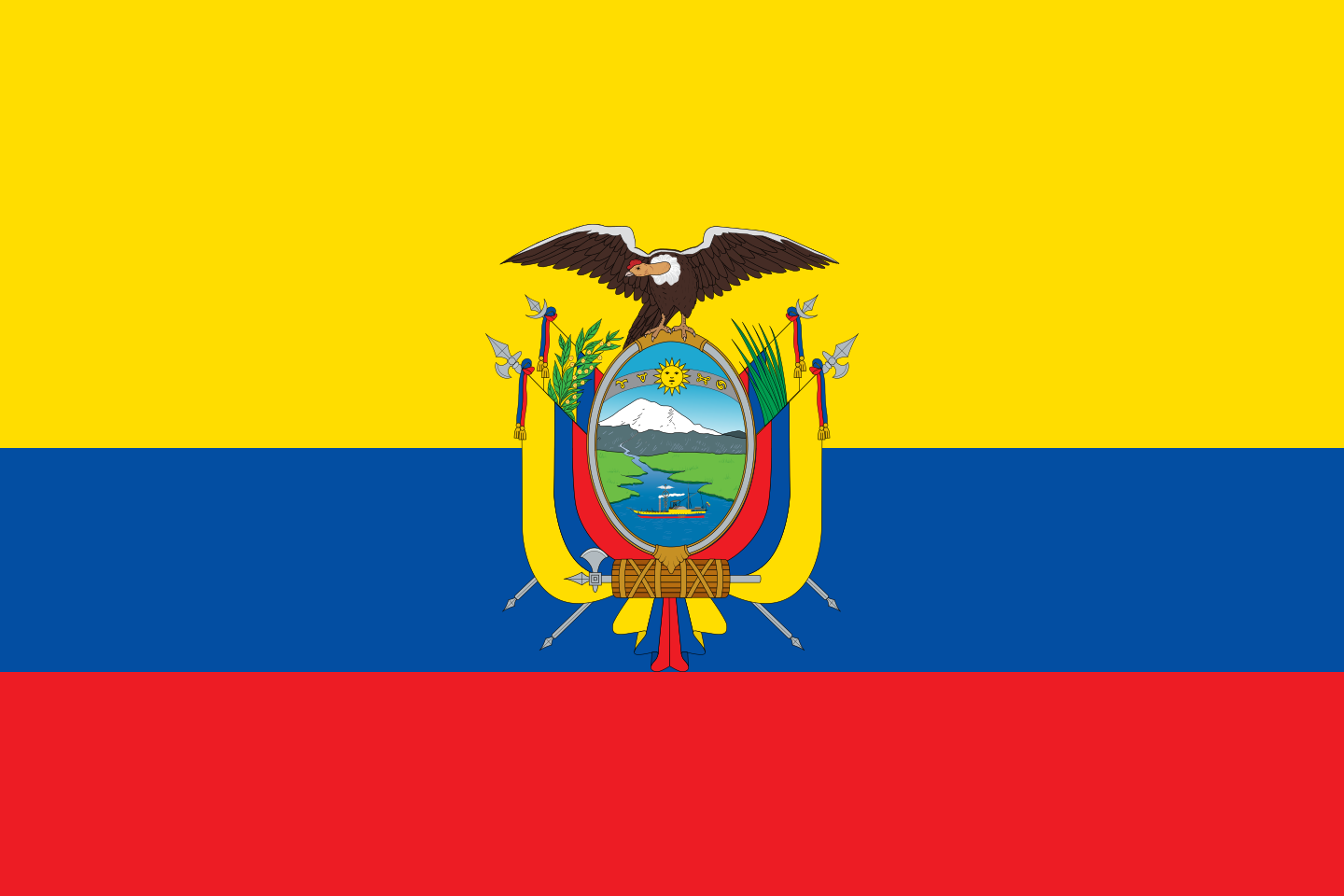
Where the grey-backed hawk still lives — Ecuador, Peru
Imagine your house disappearing! That's what happens to Grey-backed Hawks when their forest homes are cut down to make space for farms or buildings. They lose the trees where they hunt for food and build their nests.
Being done about itScientists and nature heroes are working hard to protect the forests where these hawks live, making sure these special places are safe from being cut down. They are also planting new trees to help regrow their homes!
Brave scientists and conservation heroes are on an important mission to protect the Grey-backed Hawk's forest homes and study these mysterious birds so we can learn how best to help them survive and grow.
Also known asPseudastur occidentalis
GroupAnimal
DietCarnivore
SizeApproximately 400-500 grams (females slightly larger than males)