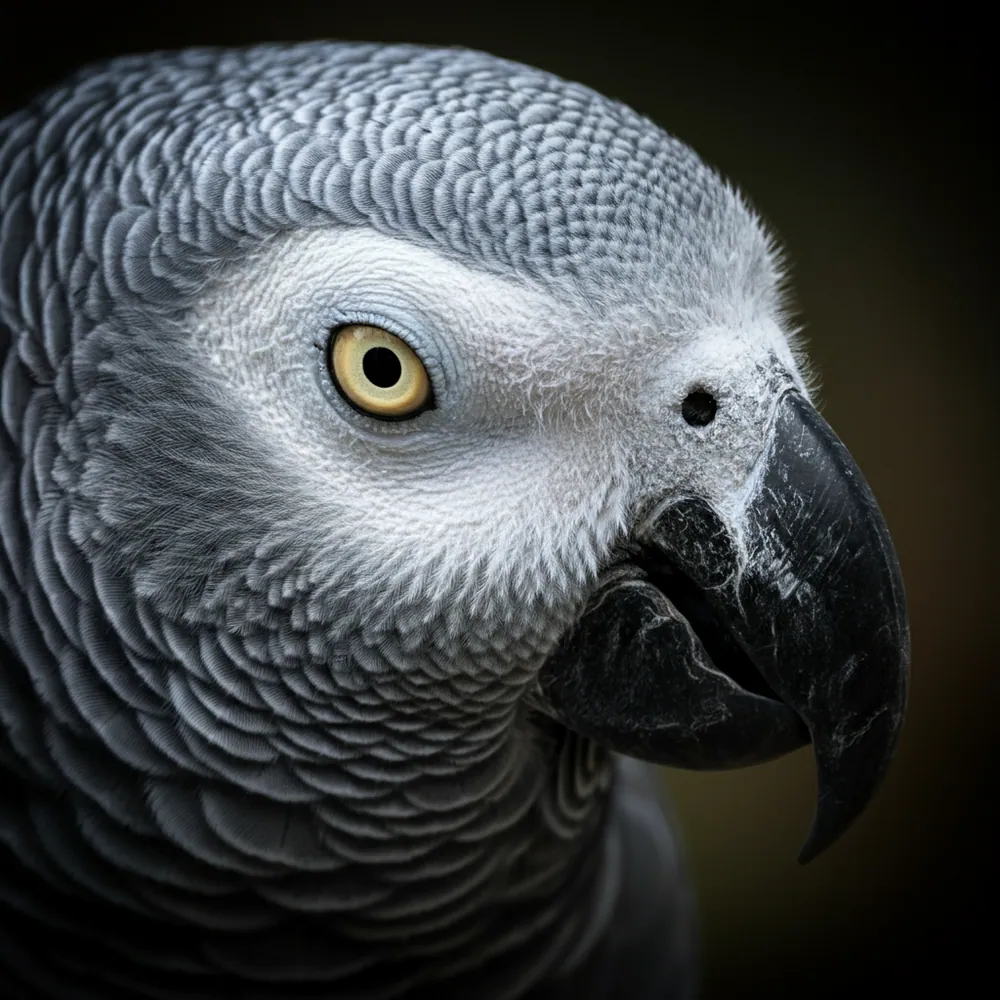
Get ready to meet one of the smartest, most amazing birds on Earth – the Grey Parrot! Forget flashy rainbow feathers; this bird is all about understated cool. Imagine a sleek, ash-grey superhero, with a dazzling splash of bright red on its tail, like a secret cape! With its super-smart yellow eyes and a powerful beak perfect for cracking the toughest nuts, this parrot might look calm, but its brain is buzzing with incredible abilities.
What makes the Grey Parrot truly special? It's like having a feathered superstar who can talk! These incredible birds aren't just squawking; they can mimic almost *anything*! Human words, the meow of a cat, the ring of a phone, even the sound of a car engine – you name it, they might learn it! They use these amazing sounds to chat with their friends in big, noisy flocks high up in the African forests. It's like they have their own secret language, plus they can learn ours!
But wait, there's more! Grey Parrots aren't just brilliant talkers; they're also super important helpers in their forest homes. As they munch on yummy fruits and seeds, they become nature's best gardeners! They drop seeds as they fly or spread them in their droppings, helping new trees grow and keeping the rainforest healthy and green. So, next time you think of a parrot, remember the Grey Parrot – a brainy, beautiful bird with a vital job, making the world a wilder, more wonderful place!
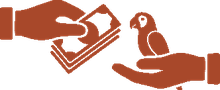
Grey Parrots are super smart and can learn to copy human words, which makes some people want them as pets. Sadly, many are illegally caught from their wild homes and sold, which is very dangerous and harmful for them.
Being done about itBrave rangers and police work hard to stop poachers and illegal traders from catching these birds, and many countries have made laws to protect these special parrots. Scientists also track parrots to learn more about where they live so they can be better protected from being taken.
Habitat loss
Grey Parrots live in big, beautiful forests in Africa, but these forests are being cut down to make space for farms or to get wood. This means the parrots lose their homes, their food, and safe places to raise their baby chicks.
Being done about itPeople are working together to protect these important forests and even plant new trees to help regrow the parrots' homes. Scientists help find the best places to create safe parks where parrots can live without their homes being destroyed.
Brave conservation teams are on an important mission, protecting their precious forest homes from disappearing and running special programs to rescue parrots from illegal trade, giving them safe places to live and even have baby parrots to grow their families again!