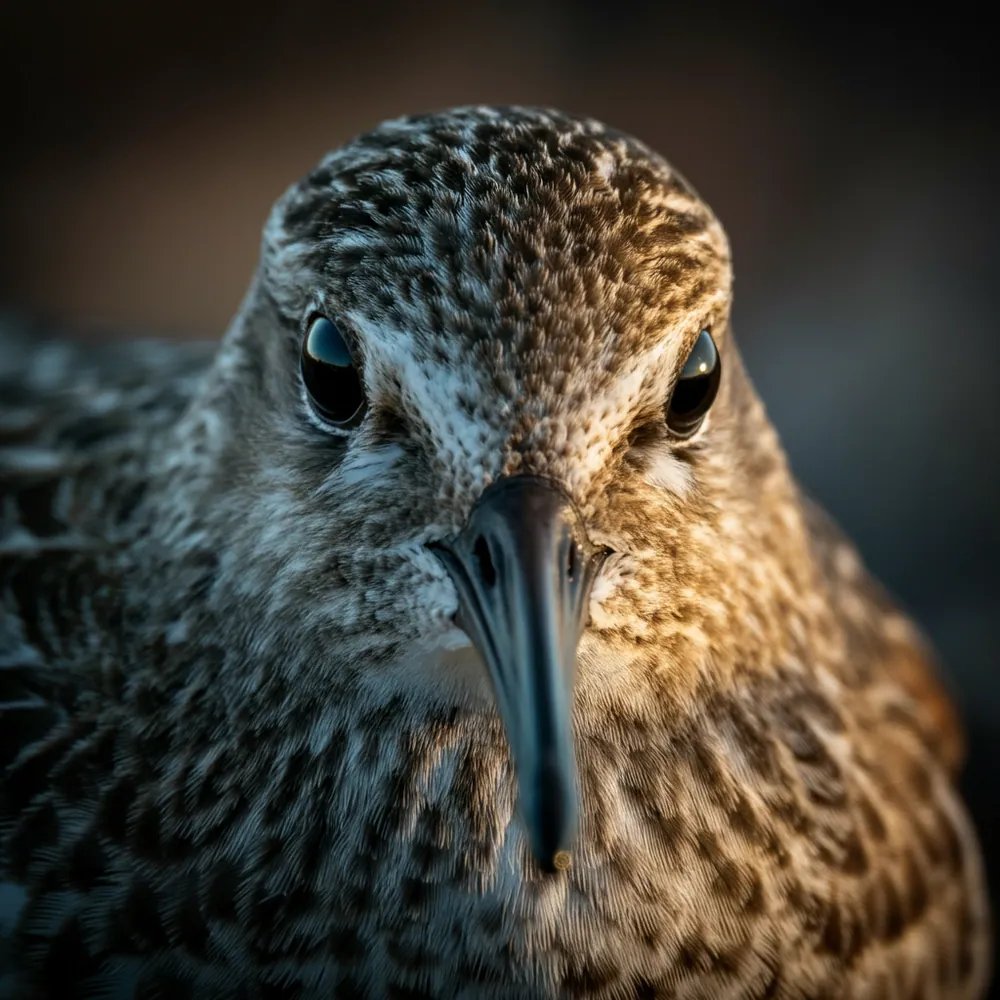
Hey there, nature explorers! Get ready to meet one of the most incredible birds on our planet: the Great Knot! This amazing shorebird is like a super-speedy fashionista, showing off two totally different looks throughout the year. During springtime, it transforms into a showstopper with a chest and belly bursting with rich, chestnut-red and black speckles – like it's wearing a fancy waistcoat for a special party! But when it's not breeding, it swaps that flashy outfit for a super-sleek grey-brown, perfect for blending in. And check out its slightly bent beak – it’s a perfect tool, like a tiny metal detector, for sniffing out snacks!
Imagine a feathered marathon runner, and you've pictured the Great Knot! These awesome birds are world champions of long-distance travel, flying thousands of miles from their chilly Arctic homes all the way to warmer beaches in places like Southeast Asia and Australia. That’s like flying across an entire continent! When they arrive, they gather in enormous, bustling flocks on mudflats and sandy shores. You'll see them busily probing the mud with their special beaks, gobbling up tiny worms, mollusks, and crustaceans. It’s like a giant, busy pecking party on the beach!
But the Great Knot is more than just a beautiful bird with a cool migration story; it's a superhero for our coasts! As they constantly probe the mud for food, they help aerate the sediment, which is like being nature's gardeners, making the soil healthier for other tiny creatures to live in. Because they travel so far, their health tells us a lot about how well our coastal wetlands are doing across the globe. Protecting the Great Knot means we're also protecting countless other animals and the vital habitats they call home, making them true global ambassadors for a healthy planet!
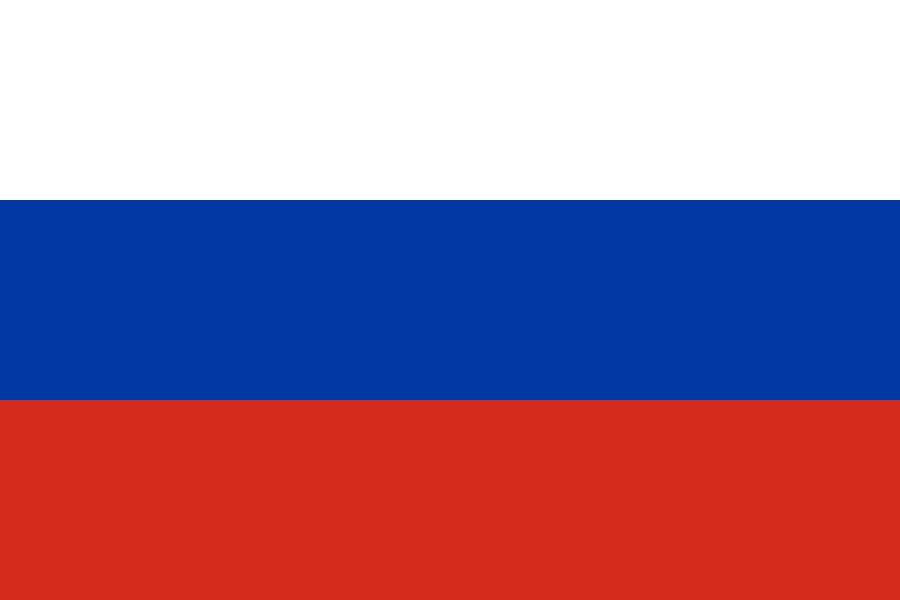
Where the great knot still lives — Russia, Australia, China, South Korea
Great Knots travel incredibly long distances and need special muddy shores and wetlands to rest and find food along their journey. When these important places are destroyed by building, pollution, or turning them into farms, the birds lose their vital homes and feeding grounds.
Being done about itScientists and conservationists are working to protect these crucial coastal wetlands by creating nature reserves and cleaning up polluted areas. They also teach communities about the importance of these habitats so everyone can help keep them safe for the Great Knot and other amazing birds.
Scientists and conservation heroes are working hard to protect the Great Knot's amazing travel routes and the special beaches where they rest and find food. This important mission ensures these tiny flyers have safe places to grow up and refuel on their epic journeys.