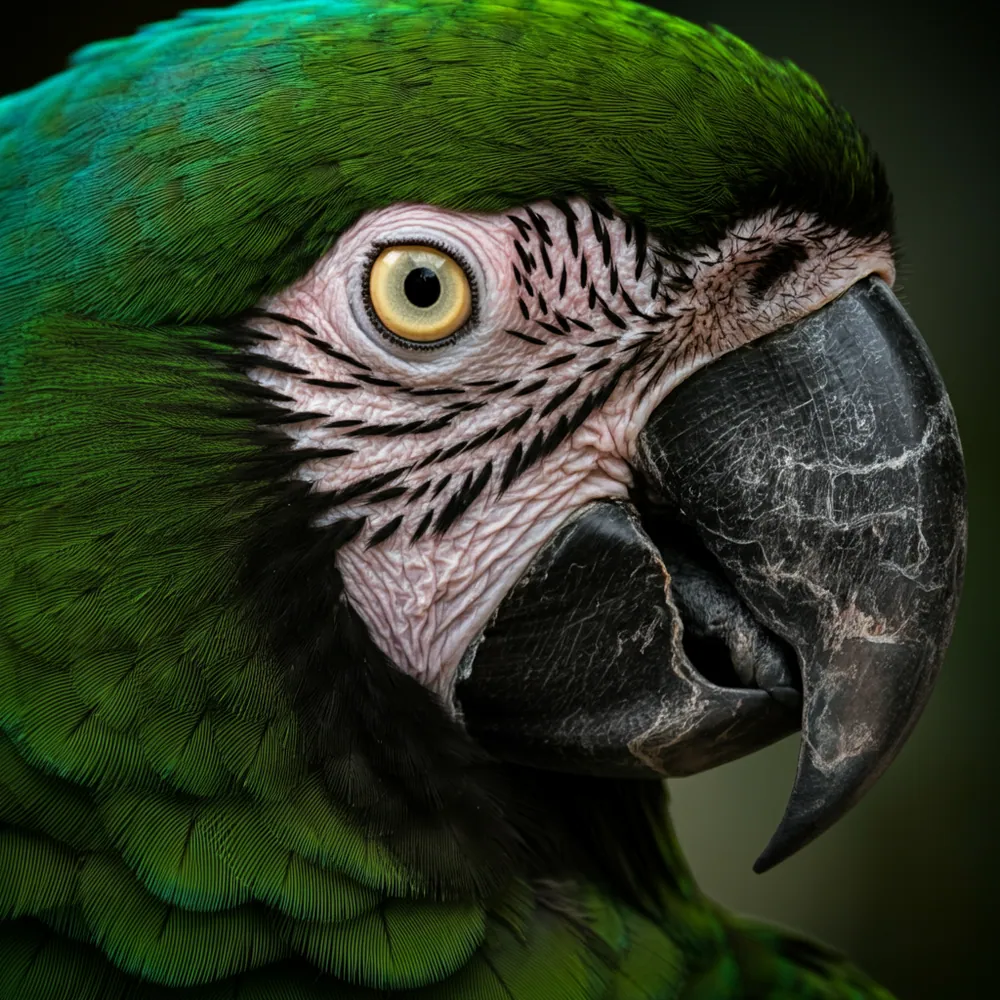
Get ready to meet a feathered superstar, kids! Say hello to the magnificent Great Green Macaw! Imagine a bird so huge and so dazzlingly bright green, it looks like a giant emerald with wings. These amazing parrots aren't just green; they have brilliant flashes of blue and red, making them look like a living rainbow soaring through the sky! With their super-smart brains and loud, booming calls, you'll know when a Great Green Macaw is nearby.
These incredible birds call the steamy, dense rainforests of Central and South America their home, high up in the very tops of the tallest trees. In places like Costa Rica, they have a super-duper favorite tree called the Almendro tree, which provides them with yummy snacks and cozy places to live. But here's the thing that makes them extra special: there aren't many Great Green Macaws left in the world. They are critically endangered, which means every single one is incredibly precious and needs our help to keep their rainforest homes safe!
So, isn't that awesome? The Great Green Macaw is a true treasure of the jungle, and learning about them helps us understand how important it is to protect our planet's wild places and all the amazing creatures that live there. Let's give a big high-five to this magnificent, colorful bird!
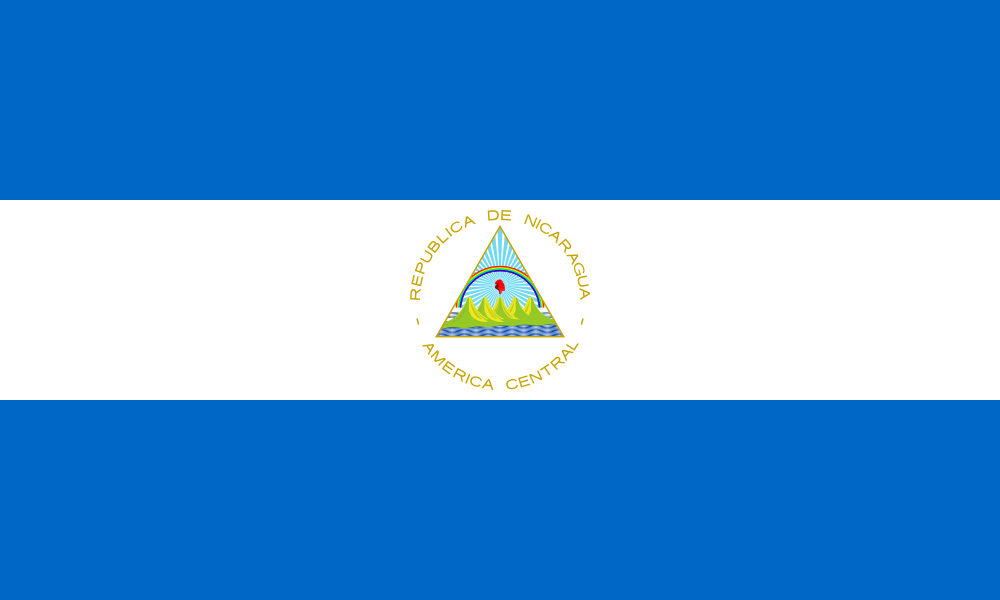
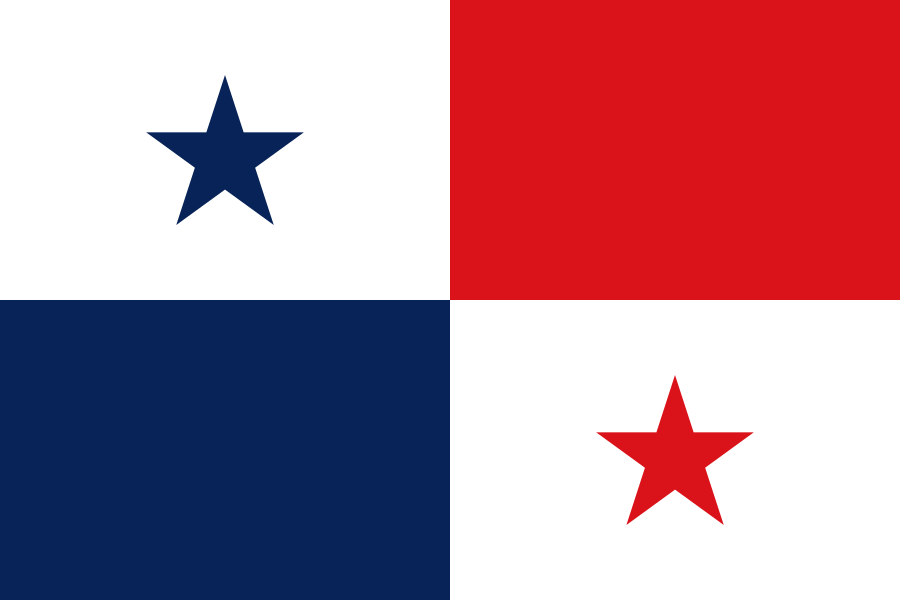
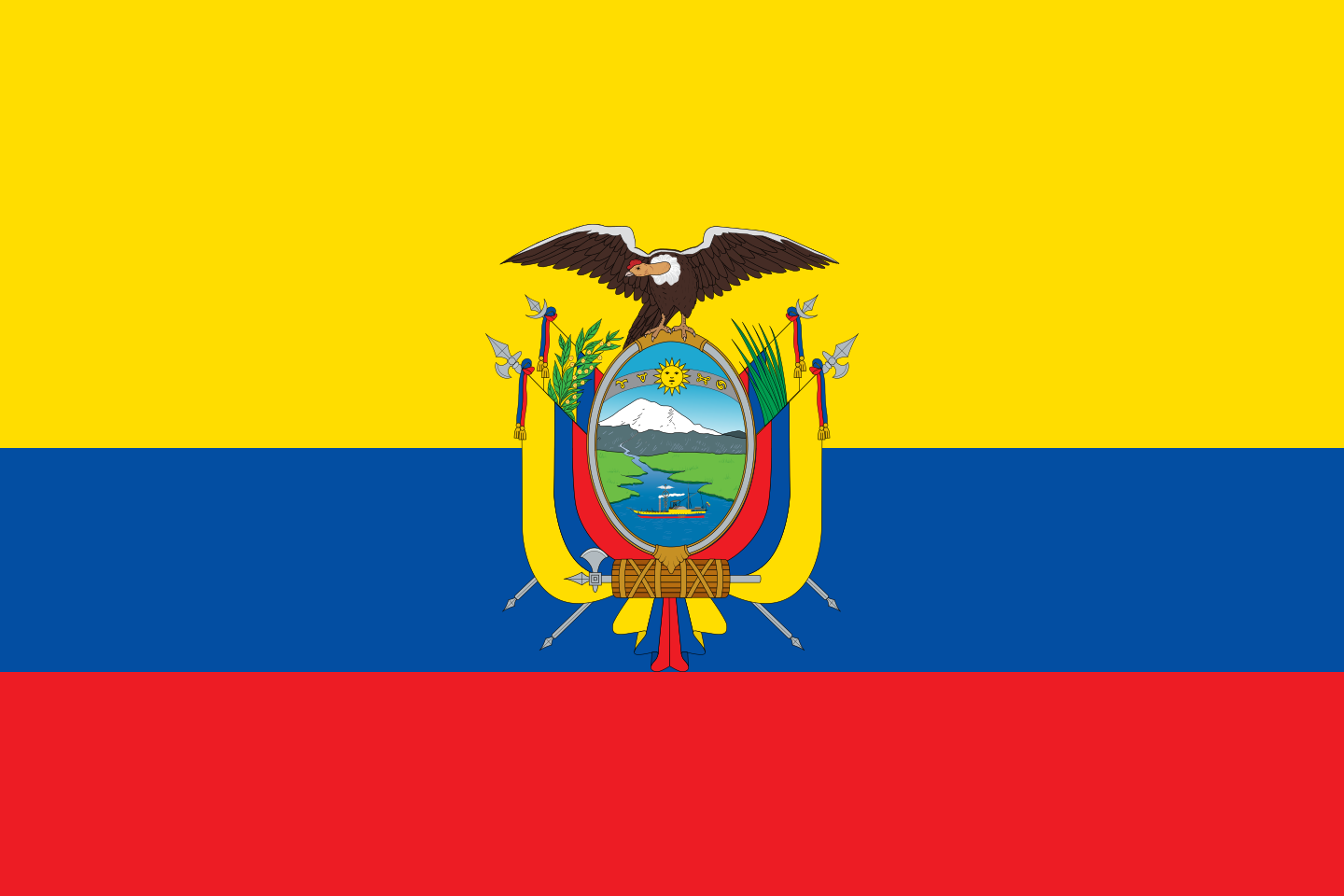
Where the great green macaw still lives — Costa Rica, Honduras, Nicaragua, Panama, Colombia, Ecuador
Sadly, some people try to catch these beautiful macaws from the wild to sell them as pets, which is against the law. This means fewer macaws are left in their natural homes to fly free and have families.
Being done about itBrave rangers and conservationists work hard to stop poachers and rescue these birds, while laws help make it illegal to buy or sell them. You can help by never buying a wild bird and telling others why it's important to keep them in the wild.
Habitat loss
The Great Green Macaw's forest homes are being cut down to make space for farms, roads, or buildings. When their big trees disappear, these macaws lose their nesting spots and places to find their favorite foods.
Being done about itScientists and local communities are working together to protect these precious forests, sometimes by making them national parks where trees can't be cut down. They also plant new trees to help regrow the macaws' homes and teach people better ways to use the land.
Brave conservation heroes are on a mission to save them by protecting their precious rainforest homes and even building special, safe nest boxes in trees so these magnificent birds can have healthy families.