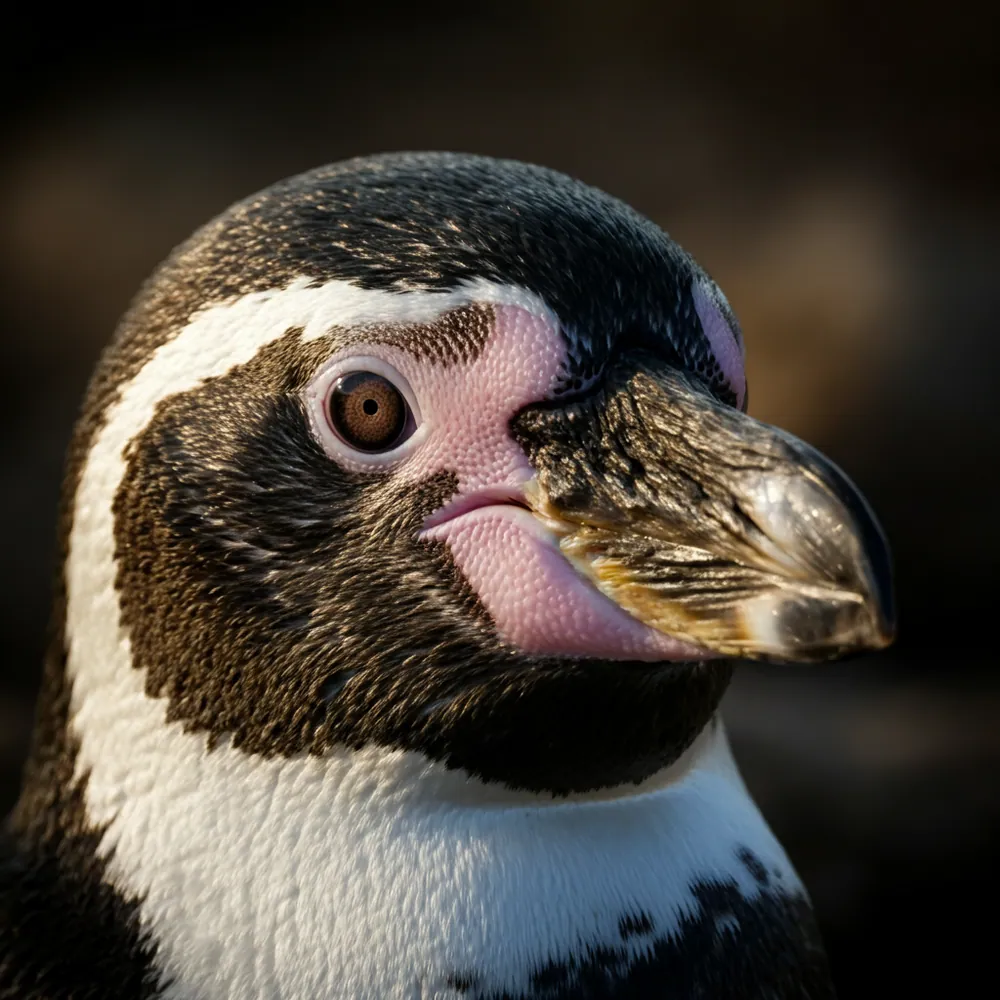
Hey there, nature explorers! Get ready to meet one of the most surprising and super-cool birds on our planet: the Galápagos Penguin! Can you imagine a penguin waddling around on a sunny, tropical island? Most penguins love chilly ice and snow, but not our amazing Galápagos friends! They're the only penguins in the whole wide world that live north of the equator, right in the warm waters of the Galápagos Islands. It's like finding a polar bear in the desert – totally wild!
So, how do these little feathered wonders stay comfy in the heat? They're super smart! Their black feathers soak up the sun, but their white bellies reflect it. Plus, they have special tricks like holding out their flippers to let off heat and even panting like a dog! They look super dapper too, with black backs, white tummies, and a cool white stripe that loops from their eyes all the way down to their chin. And when it's time to build a home, forget soft nests – these tough birds find cozy caves and rocky crevices to keep their babies safe from predators and the bright sun.
But wait, there's more! Galápagos Penguins are super loyal, choosing one special mate for life and raising their chicks year-round. They might be small, but they're mighty survivors, thanks to the cool ocean currents that bring them yummy fish. Sadly, these incredible birds are facing some big challenges from climate change and pollution. But by learning about them and sharing their story, we can all help protect these unique, warm-weather waddlers and make sure they keep splashing around the Galápagos for many more years to come!
How many are left?
Have a guess first — how many do you think are still alive?
about 1,200
each dot ≈ 10 individuals
Imagine gathering all the Galapagos Penguins in the world – there would only be about 1,200 of them, which is a super tiny number and means they are very special and need our help!
It is about up to your waist.
Where the galapagos penguin still lives — Ecuador (Galapagos Islands)
Galapagos penguins need cool ocean water to find their favorite fish to eat. Climate change is making the ocean warmer, which means there's less food for them and it's harder for them to raise their families.
Being done about itScientists are carefully watching the ocean temperatures and the penguins' food supply to understand what's happening. We can all help by using less energy and protecting our planet to slow down global warming and keep their home cool.
Invasive species
Sometimes, animals like rats or cats that don't naturally live on the Galapagos Islands sneak onto the islands, often arriving on boats. These "invasive species" can be very dangerous because they might eat penguin eggs or tiny baby chicks.
Being done about itBrave park rangers work hard to find and remove these harmful animals from the islands to protect the penguins' nests. Everyone who visits the Galapagos Islands also helps by being super careful not to accidentally bring new plants or animals with them.
Awesome scientists and park rangers are on a super important mission to protect these penguins by guarding their nests from invaders and making sure their ocean home stays clean and full of fish!
Also known asSpheniscus mendiculus
GroupAnimal
HabitatCoastal & ocean
DietSmall schooling fish like sardines and mullet, and some crustaceans.
PredatorsSharks, sea lions, and introduced species like cats and dogs.