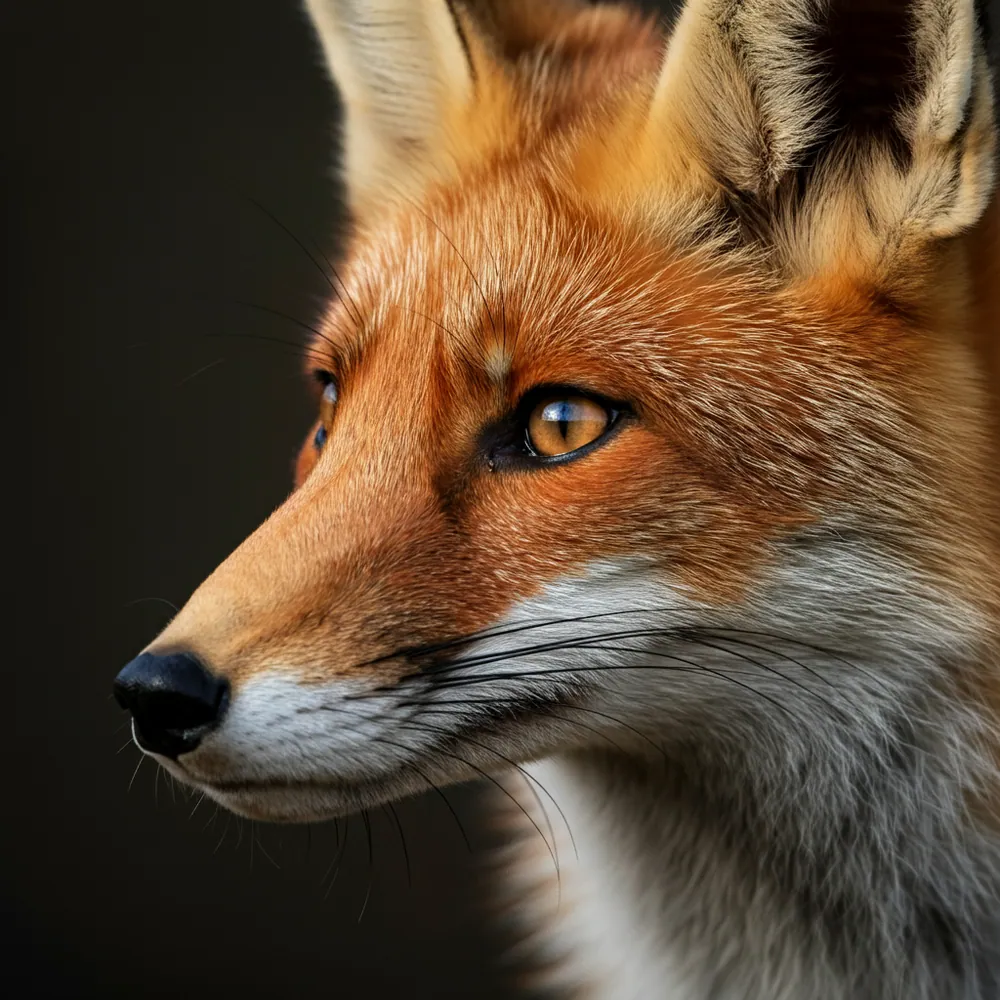
Get ready to meet one of the desert's most magical creatures – the Fennec Fox! Imagine a tiny fox, no bigger than your house cat, that looks like it stepped right out of a fairy tale. Its most amazing feature? Those HUGE ears! They can be up to six inches long, which is even bigger than its head! These colossal ears aren't just for looking super cute; they're like built-in superpowers, helping the fox hear the tiniest rustle of a bug under the sand and even keeping it cool in the blazing desert sun. With its sandy fur for perfect camouflage and furry feet that don't burn on the hot ground, this little explorer is perfectly designed for its sandy home.
When the sun goes down, the Fennec Fox truly wakes up! These clever creatures are nocturnal, meaning they sleep during the day in their amazing underground homes to escape the heat. They are super diggers, creating huge tunnels and rooms where they live with their family. At night, they pop out to hunt for dinner. What do they eat? Almost anything! From crunchy insects and small snacks like rodents to tasty fruits and roots, they're not picky. They even get most of their water from the plants they eat, since there's not much water around in the desert! They chat with each other using barks, yips, and even growls, making them very social little foxes.
It is about as long as your arm.
Where the fennec fox still lives — Algeria, Egypt, Libya, Morocco
Fennec foxes are sometimes illegally taken from their desert homes because people want them as pets. This is very sad because these wild animals belong in their natural habitat and often don't survive when kept by humans.
Being done about itWildlife rangers and police work hard to catch people who illegally trade fennec foxes and stop them from selling these animals. They also teach people why it's important to leave wild animals in their natural homes, helping to keep fennec foxes safe.
Zoos around the world are like special safe houses, running important breeding programs to make sure healthy fennec foxes can thrive and teach people all about them. This mission helps protect them from dangers like being taken from the wild to be pets, ensuring they have a bright future!
Also known asVulpes zerda
GroupAnimal
HabitatDesert
DietOmnivorous; primarily eats insects, small rodents, lizards, and plants.