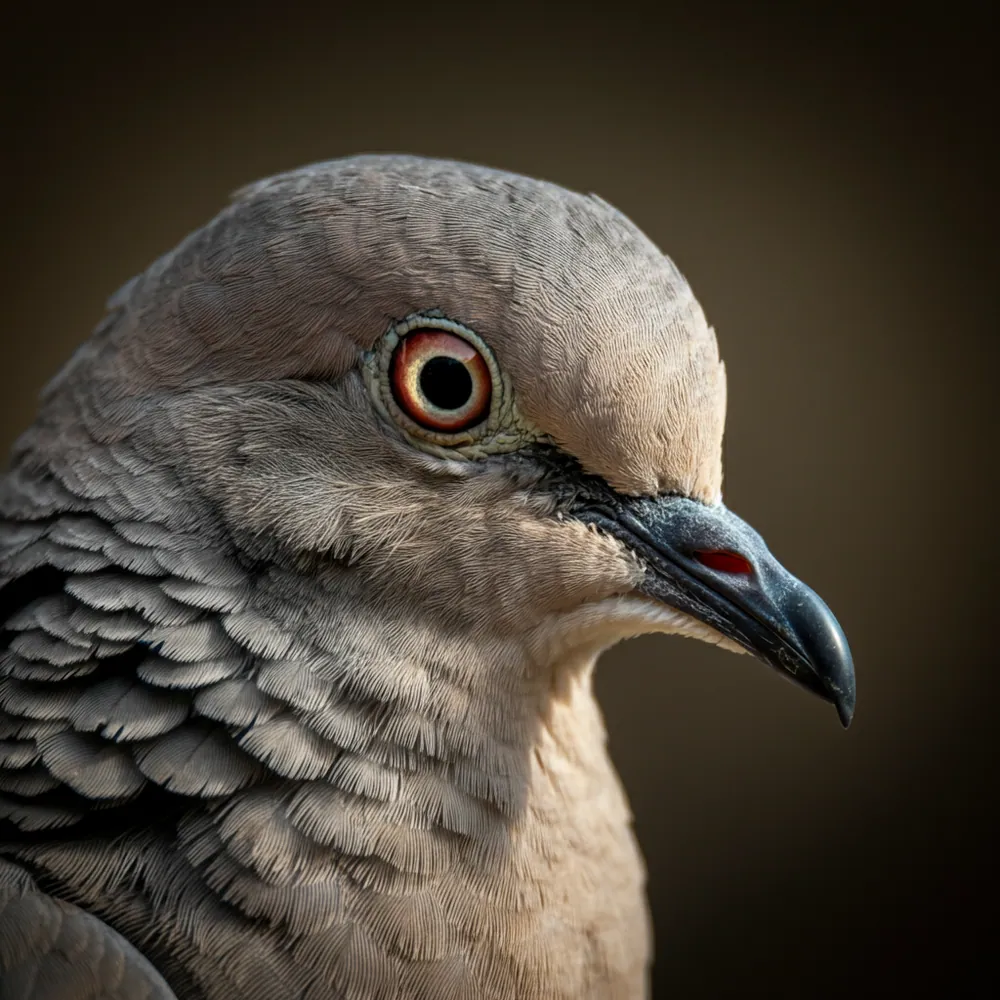
Hey animal explorers! Get ready to meet a truly special bird: the European Turtle-dove! Imagine a bird so beautiful it looks like it stepped right out of a fairytale. It has a soft, rosy-pink tummy, a cool blue-grey cap, and a fancy black-and-white striped scarf around its neck. Its wings are like a patchwork quilt of rusty-orange and brown, and if you listen carefully, you might hear its super unique "turr-turr-turr" song – that's how it got its name!
But wait, there's more! This little bird is an incredible adventurer. Every year, it flies thousands of miles, all the way from Europe to sunny Africa for winter, and then back again for spring! That's like flying across an entire continent twice! People have loved these doves for centuries because their return means spring is here, and they're even a symbol of love and loyalty. How cool is that?
Sadly, these amazing globetrotters need our help. They're facing tough times, and there are fewer of them each year. By learning about them and protecting their homes, we can help these gentle, purring messengers of spring keep flying for many more years to come.
Where the european turtle-dove still lives — Europe, Asia, Africa
European Turtle-doves need special places like bushy hedges and woodlands to build their nests and find tasty seeds. But sadly, many of these important homes are being cut down or changed, leaving the doves with nowhere to live or eat.
Being done about itScientists and kind people are working hard to protect the turtle-doves' homes by planting new hedges and trees. Farmers are also helping by leaving wild patches on their land where the doves can safely find food.
Poaching / Illegal hunting
As European Turtle-doves fly on their amazing long journeys between Europe and Africa, some people sadly hunt them illegally. This means too many doves are shot down and can't make it to their homes to raise their families.
Being done about itBrave rangers and police are working to stop illegal hunting and catch those who harm the doves. Laws are also being made stronger to protect these special birds as they travel.
Brave conservation heroes are planting special plants and trees to create safe homes and plenty of food for them, especially during their long trips across countries. They are also working with farmers and teaching people everywhere why it's so important to protect these gentle birds and their special places.