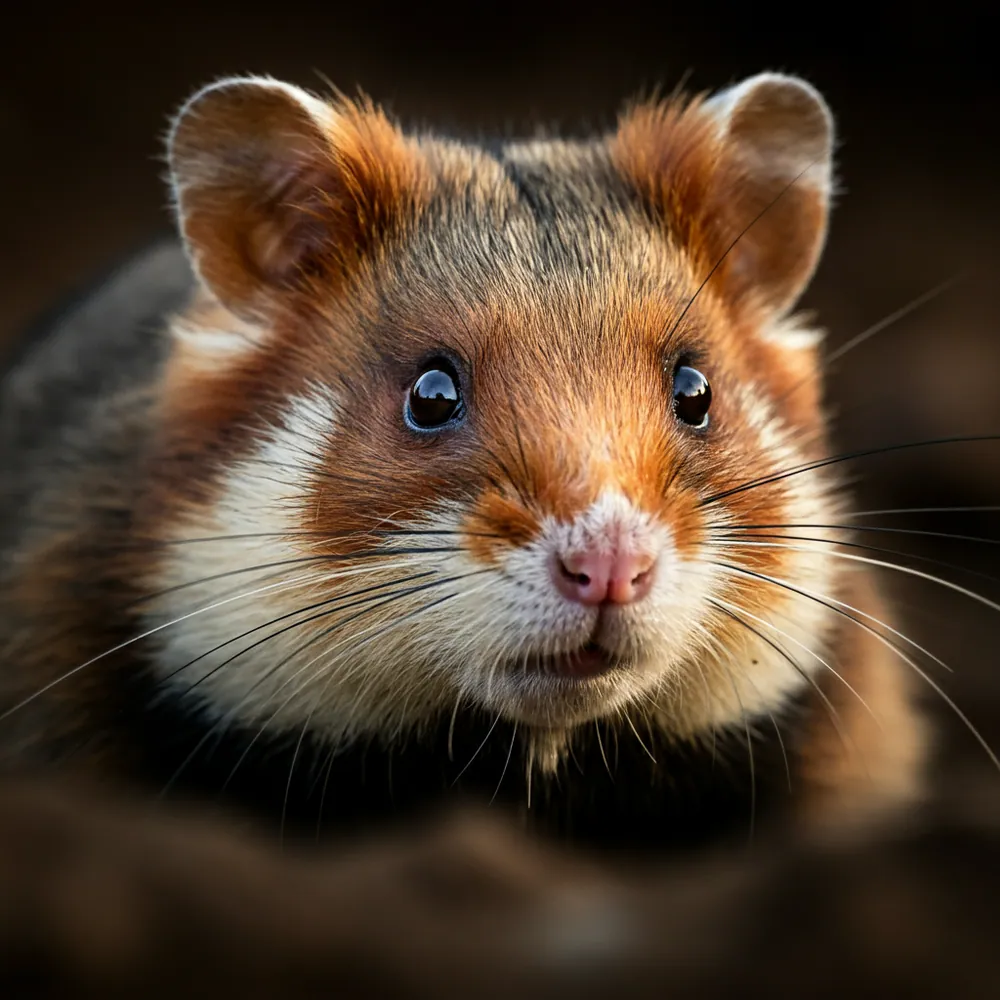
Hey there, wildlife adventurers! Get ready to meet one of the coolest critters you might never have heard of: the European Hamster! This amazing animal, also known as the Eurasian hamster, black-bellied hamster, or even the common hamster (its scientific name is *Cricetus cricetus*), is like a tiny, furry superhero with an incredible superpower. Can you guess what it is? Super-stretchy cheek pouches! This little champion can stuff its cheeks with so much food, it's like carrying a whole picnic basket wherever it goes, making it a master hoarder!
But wait, there’s more! The European Hamster isn't just a food-storing wizard; it's also quite the fashion icon with its bright, colorful fur and a super cool, jet-black belly – that's why it's sometimes called the black-bellied hamster! It loves to live in grasslands and fields all the way from Belgium to Russia, digging cozy, underground burrows to call home. Imagine a tiny architect building its own secret mansion beneath your feet!
Sadly, this unique and wonderful hamster is in big trouble and needs our help. It's now critically endangered, which means there aren't many left in the wild. But by learning about them and sharing their story, we can all become champions for the European Hamster and help protect its future. Isn't that an exciting mission for a wildlife explorer like you?
Where the european hamster still lives — Europe, Russia
Imagine your house and garden suddenly disappearing! That's what happens to European Hamsters when their fields are turned into buildings, roads, or big farms, leaving them with nowhere to live or find food.
Being done about itPeople are setting aside special safe zones just for hamsters and working with farmers to grow crops in ways that don't harm their homes. They even build tiny tunnels for hamsters to cross roads safely!
Climate change
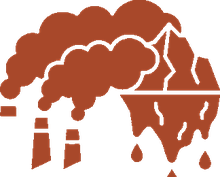
Because of climate change, the weather is getting warmer and crazier, which confuses the hamsters' hibernation and makes it tough for them to find food and water in very hot, dry summers.
Being done about itScientists are learning how changing weather affects hamsters, and many people are working to reduce pollution that makes the climate change. We can all help by saving energy and protecting our planet!
Brave scientists and animal helpers are on a special mission to save them! They're setting up 'hamster nurseries' where they carefully breed baby hamsters, then release them into protected natural areas to help their wild families grow strong again.