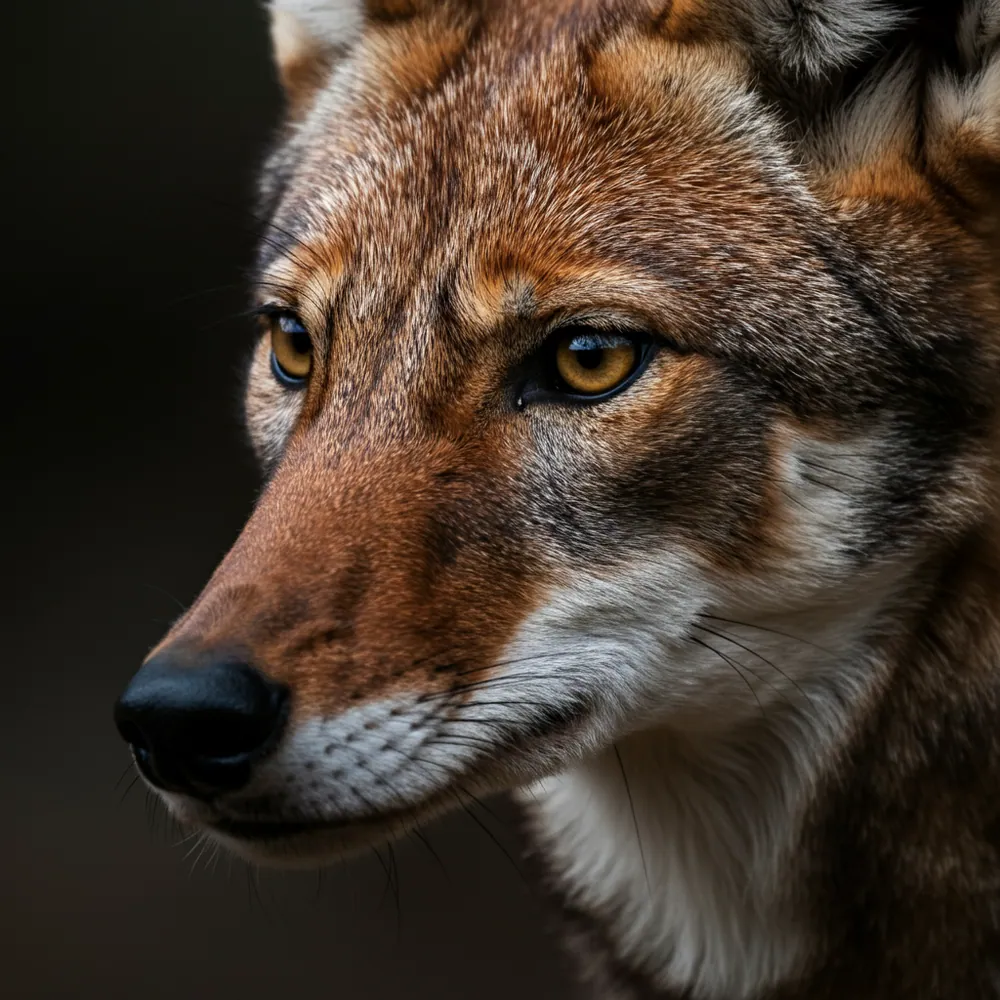
Hey adventurers! Get ready to meet one of the most magnificent and mysterious creatures from the high, wild mountains of Ethiopia: the Ethiopian Wolf! But wait, this super cool canine goes by many names – sometimes people call it the Red Jackal, the Simien Fox, or even the Horse Jackal! Imagine a wolf with so many secret identities, living way up in the clouds of the Ethiopian Highlands, especially in the stunning Simien Mountains.
This isn't your average wolf, oh no! Picture a sleek, foxy-looking animal, about the size of a coyote, with a super long, narrow snout and beautiful reddish-orange fur that gleams in the sun, contrasted with patches of white. What makes it extra special? Unlike most big wolfy cousins who eat all sorts of things, our Ethiopian Wolf is a super picky eater! It's a master hunter of tiny, speedy Afroalpine rodents, like giant mole-rats, using its amazing senses and quick pounces to catch its dinner high in the mountains. Talk about a gourmet diet!
Because it loves its specific mountain home and its special rodent snacks so much, the Ethiopian Wolf is one of the rarest canids on Earth – that means one of the rarest dog-like animals in the world! In fact, it's Africa's most endangered carnivore. Isn't that incredible? This makes every single Ethiopian Wolf an absolute treasure, a wild jewel of the mountains. So next time you think of wolves, remember this amazing, red-coated mountain dweller, a true superstar of the animal kingdom!
Ethiopian Wolves live in very special, high mountain grasslands, but people are building more farms and towns in these areas. This means there's less space for the wolves to find food and raise their families, pushing them into smaller and smaller areas.
Being done about itScientists and rangers are working hard to create big protected areas, like national parks, where the wolves can live safely without their homes being taken away. They also help local communities find ways to live and farm without disturbing the wolves' precious habitat.
Disease
Ethiopian Wolves can get very sick from diseases like rabies and distemper, which often spread from dogs that live near their mountain homes. These diseases can quickly wipe out entire wolf families, making it hard for them to survive.
Being done about itAmazing teams of vets and rangers help by giving vaccinations to both the wild wolves and the local dogs in nearby villages. This stops the deadly diseases from spreading and helps keep the wolf families healthy and strong.
Brave scientists and conservation heroes are on an important mission to save them! They are vaccinating the wolves against dangerous diseases like rabies and working with local communities to protect their mountain homes, so these amazing animals can thrive.