Imagine a bird so incredibly gigantic, its wings can stretch wider than a small car! That's our magnificent friend, the California Condor! These amazing feathered giants are the largest land birds in all of North America, boasting wingspans that can reach a whopping 10 feet across. Picture that soaring high above the mountains, riding the wind currents like a super-sized, silent airplane. They truly are the kings of the sky!
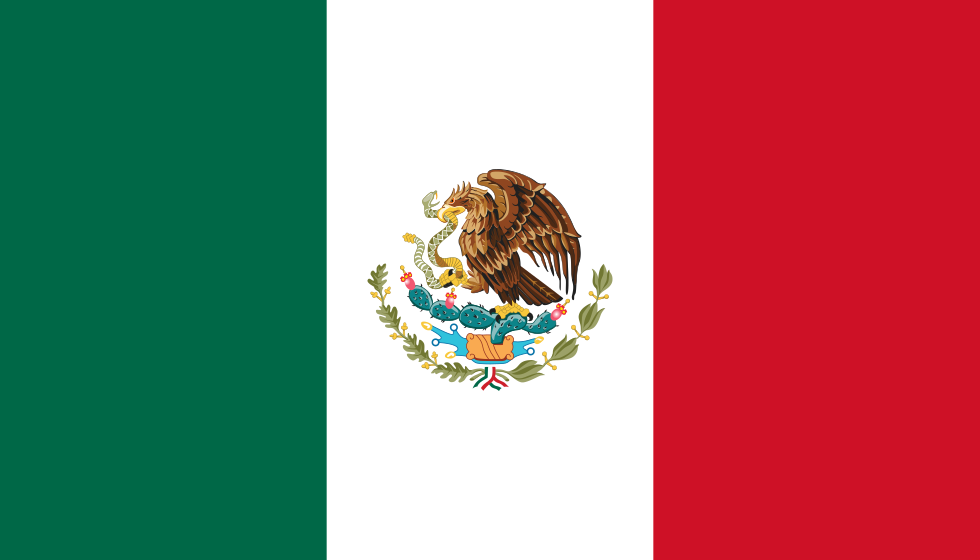
But there's more to their story than just being super-sized flyers. Not too long ago, these incredible birds almost disappeared forever! There were hardly any left in the wild. Thanks to some very dedicated scientists and conservation heroes, every single wild condor was carefully brought into safety. And guess what? They worked super hard to help condors have babies, and now these majestic birds are flying free again in places like sunny California, Arizona, Utah, and even Mexico!
Isn't that amazing? From almost gone to soaring high once more, the California Condor is a symbol of hope and a reminder of how we can work together to protect our planet's most precious creatures. Keep an eye on the sky – you might just spot one of these incredible winged wonders!
It is about as long as a sofa.
Where the california condor still lives — United States, Mexico
California condors often eat dead animals that have been shot by hunters, and sometimes tiny pieces of lead from bullets are left inside. When a condor eats this lead, it makes them very sick, weakening them and sometimes even causing them to die.
Being done about itScientists and rangers are working with hunters to encourage them to use special bullets made of copper, which are safe for condors. They also help sick condors by giving them medicine to remove the lead, then release them back into their wild homes.
Habitat loss
Condors need huge, wild places with tall cliffs for their nests and wide-open spaces to find food, but as people build more homes and farms, these special areas shrink. Losing their natural homes means condors have fewer safe places to live, raise their babies, and hunt.
Being done about itMany people are working to protect large areas of wild land, making sure condors have plenty of safe places to fly, nest, and find food. They are also carefully releasing condors into new, protected habitats where they can build new families and thrive.
Dedicated teams of scientists and animal heroes work at special breeding centers to help condor chicks hatch and grow big, then carefully release them into safe wild areas as part of a huge mission to bring them back!
Also known asGymnogyps californianus
GroupAnimal
HabitatRocky shrubland, Forests, Grasslands
DietStrictly carrion (dead animals), such as deer, cattle, and marine mammals.
PredatorsGolden eagles (chicks/eggs); very few predators as adults.
LifespanUp to 60 years
SizeWeight: 15 - 31 lbs (7 - 14 kg); Wingspan: up to 9.8 ft (3 m)