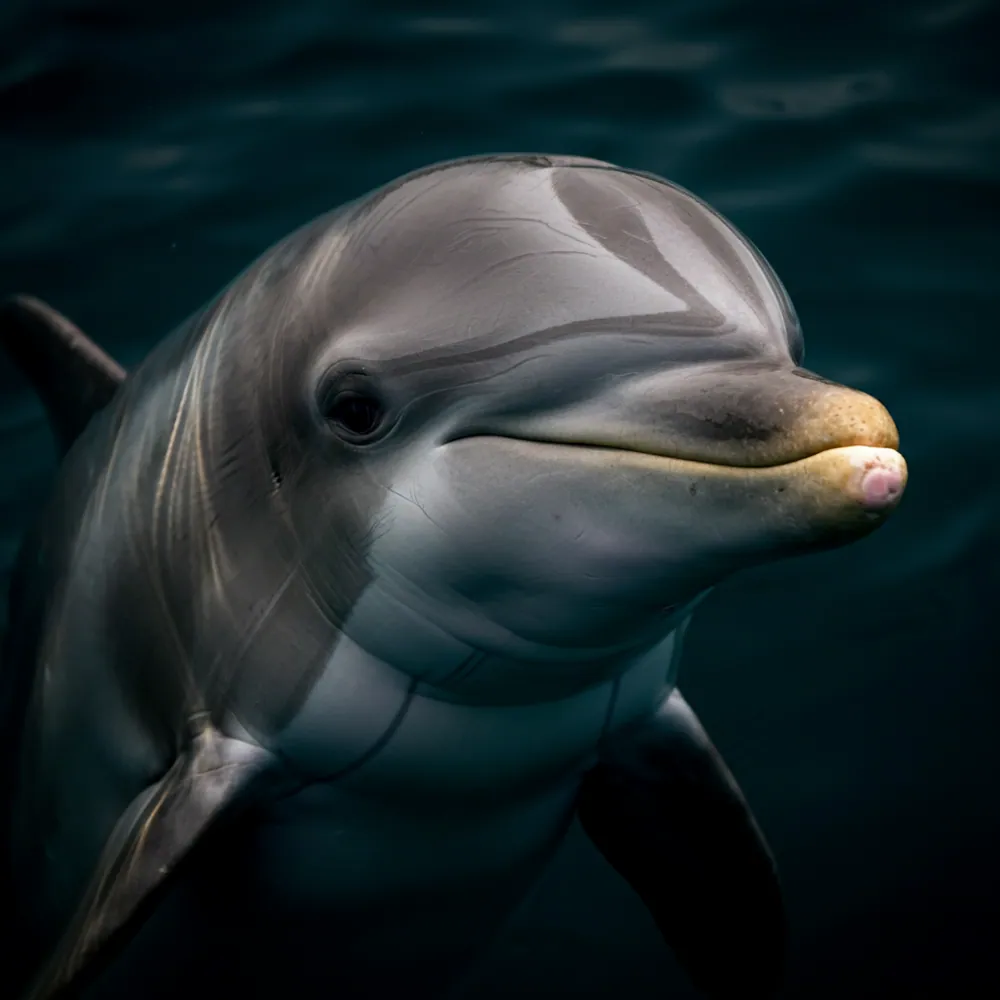
Hey animal adventurers! Get ready to dive into the amazing world of the Australian Humpback Dolphin! Imagine a dolphin with its very own mountain on its back – a big, fleshy hump right under its sickle-shaped fin! That's what makes these guys super special and easy to spot. They love swimming in the sunny, shallow waters off Australia's coast, and their bodies are a cool mottled grey, perfectly camouflaged for exploring rivers and bays. Unlike the sleek dolphins you might see in the deep ocean, these robust buddies are built tough for their coastal adventures!
These clever creatures are like underwater detectives! They use their super-hearing, called echolocation, to find yummy snacks like fish, squid, and crabs hiding in the seagrass. Sometimes, they even work together like a team, herding fish into shallow water for an easy catch, or stirring up the seabed with their powerful tails to find hidden treats. Even though they can be a bit shy in their murky homes, if you're lucky, you might hear their secret language of clicks and whistles, or even catch a glimpse of them peeking at boats!
But these incredible dolphins are more than just amazing hunters; they're like superheroes for their home! Because they live in busy coastal areas, their health tells us if the ocean is healthy too – they’re like living indicators! Sadly, things like pollution and boats can make life tough for them, and they're an Endangered species, which means they need our help! By protecting these wonderful humpback dolphins, we're not just saving a cool animal, we're helping to keep all of Australia's beautiful coastlines sparkling for everyone to enjoy.
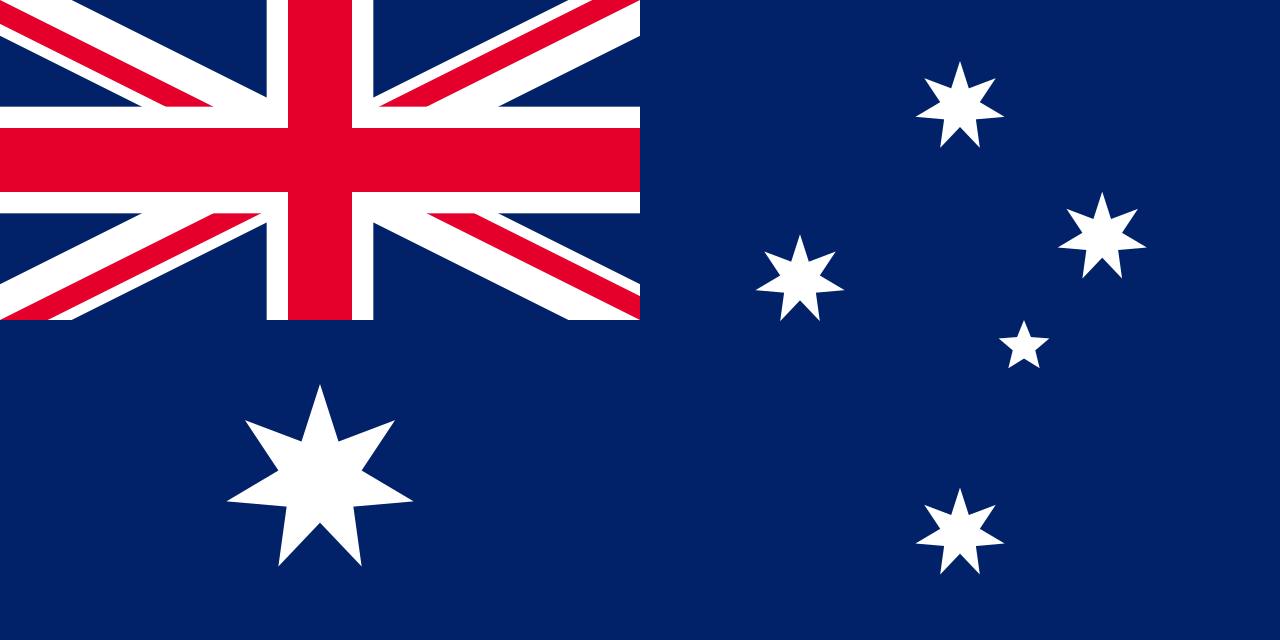
Where the australian humpback dolphin still lives — Australia
Plastic bags, bottles, and other trash often end up in the ocean where Australian Humpback Dolphins live. These dolphins can accidentally eat plastic or get tangled in rubbish, which makes them very sick or hurts them badly.
Being done about itMany people are helping by organizing beach clean-ups and educating everyone to reduce plastic use and recycle more. Scientists are also finding ways to stop pollution from reaching the ocean, keeping the dolphins' home clean and safe.
Habitat loss
The special places where these dolphins like to live, like calm coastal waters and river mouths, are sometimes changed by humans. Building new ports, digging up the seafloor, or developing coastal areas can destroy their feeding and resting spots.
Being done about itGovernments and wildlife groups are setting up protected marine parks where dolphins can live undisturbed. They also work with people planning coastal projects to make sure important dolphin homes are not damaged.
Bycatch / Overfishing
Sometimes, when fishing boats are trying to catch fish, Australian Humpback Dolphins accidentally get caught in their nets too. This accidental capture, called bycatch, can seriously injure or even kill these precious dolphins.
Being done about itFishermen are learning to use smarter fishing gear that lets dolphins escape or makes sounds to warn them away from nets. Scientists also help manage how much fish is caught, ensuring there's enough food left for the dolphins to thrive.
Brave scientists and ocean heroes are working hard to protect these special dolphins by studying their habits and making sure their homes, like estuaries and mangrove areas, stay clean and safe from pollution. They also work with fishers to help prevent dolphins from getting accidentally tangled in fishing nets, making it a super important mission to keep them swimming free!