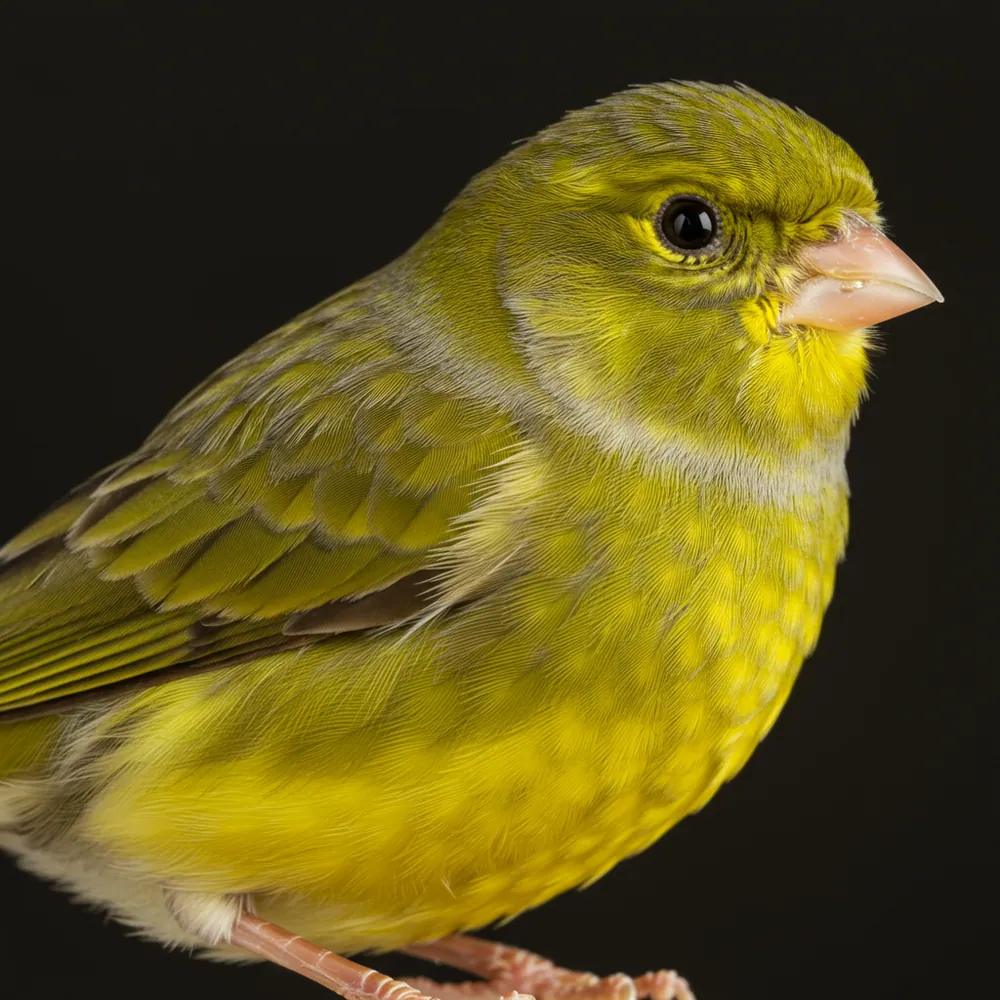
Hey there, nature explorers! Imagine a tiny, feathered sunbeam flitting through lush, green forests on incredible volcanic islands like the Canary Islands. That's the Atlantic Canary, the super-cool wild cousin of the pet canaries you might know! While many pet canaries are famous for being bright yellow, their wild relatives often wear a clever olive-green and yellow outfit, perfect for blending in with the leaves. These little birds are only about 5 inches long – about the size of your hand! – with bright, curious eyes and a special little beak perfect for cracking open yummy seeds.
These energetic birds are always busy! You’ll often spot them zipping around in happy little flocks, chattering away with their friends. But the most AMAZING thing about the Atlantic Canary? Their song! Male canaries are like the rock stars of the forest, singing the most complex, beautiful tunes you can imagine. They fill the air with incredible trills, whistles, and chirps – a true island symphony! They spend their days hopping from branch to branch, munching on seeds, small fruits, and even tiny insects.
But wait, there’s more! These tiny birds are actually environmental superheroes! When they eat seeds and fly around, they accidentally drop some in new places, helping new plants grow all over the islands. They’re like nature’s little gardeners, making sure the forests stay healthy and vibrant. They also provide food for other animals, helping to keep the whole ecosystem balanced. So, even though they're small, Atlantic Canaries are super important for keeping their island homes happy and healthy, proving that even the littlest creatures play a GIANT role!
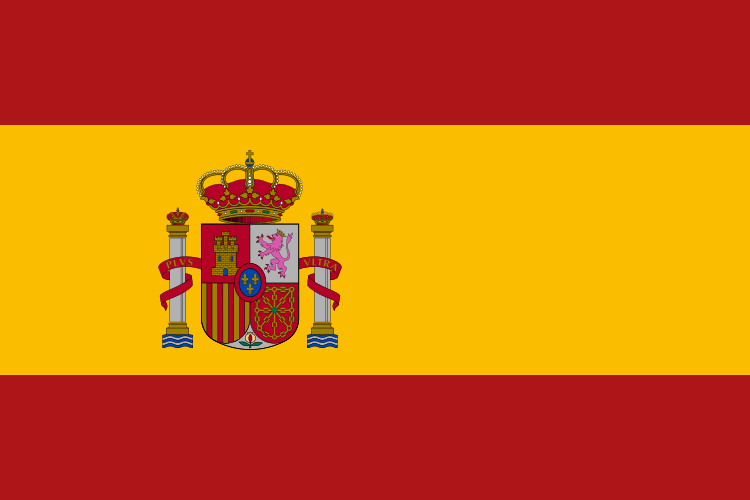
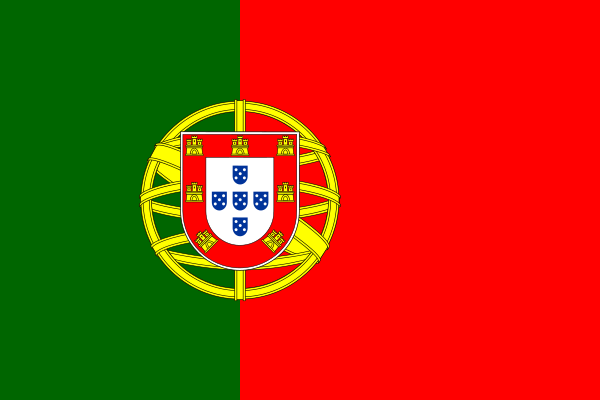
Where the atlantic canary still lives — Spain, Portugal
Climate change means the weather on the Canary Islands is getting warmer and less predictable, making it harder for Atlantic Canaries to find their usual food and water. Stronger storms can also damage their nesting trees and bushy homes.
Being done about itScientists are carefully watching how climate change affects the canaries and their food sources. Everyone can help by saving energy and reducing waste to slow down global warming and protect their island homes.
Invasive species
Sometimes, animals like cats or rats, which are not native to the Canary Islands, get introduced and become a big problem for the Atlantic Canaries. These new predators can hunt the canaries or eat their eggs and chicks, while invasive plants can push out the canaries' natural food.
Being done about itRangers and volunteers work hard to control or remove these invasive animals and plants from the islands. This helps keep the canaries safe from predators and ensures they have enough of their natural food to eat.
Habitat loss
As more people move to the Canary Islands, forests and bushy areas where Atlantic Canaries live are cut down to build houses, roads, or farms. This means the canaries lose their natural homes, making it difficult to find safe places to nest and raise their young.
Being done about itConservation groups are working to protect and restore the canaries' natural habitats by buying land and planting native trees and shrubs. They also teach people why it's important to keep these special places wild for the canaries and other wildlife.
To protect these vulnerable birds, amazing nature heroes are working hard to save their forest homes on the islands and even have special breeding programs to help baby canaries grow strong, ensuring their cheerful songs continue for generations!
Also known asSerinus canaria
GroupAnimal
DietOmnivore (primarily granivorous and insectivorous)