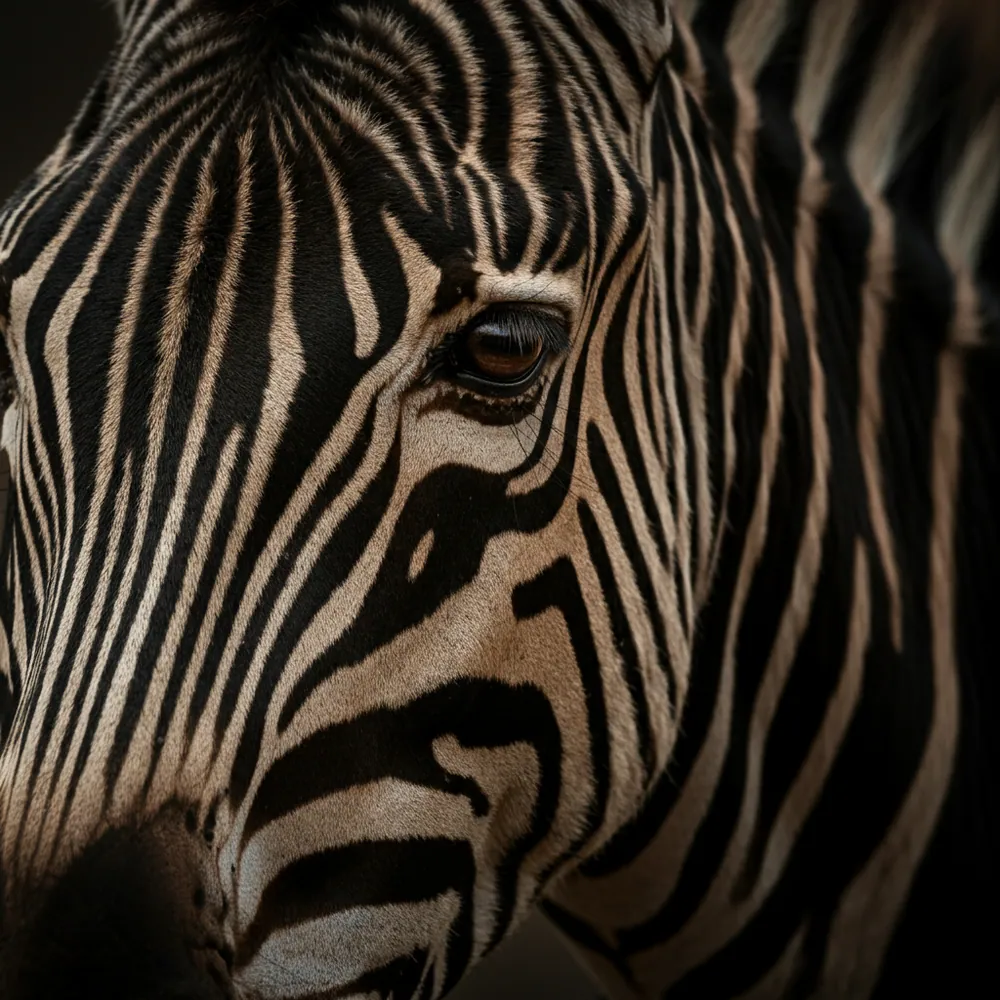
Get ready to meet one of nature's most dazzling superstars – the incredible zebra! Imagine a horse wearing the most stylish black and white stripes you've ever seen. But these aren't just any stripes; they're like a clever secret code! Every single zebra has its own unique pattern, and when they gallop together in a huge herd, all those stripes blur into a super-dizzying maze. This makes it super tricky for sneaky predators like lions to pick out just one zebra to chase! With their sturdy bodies and powerful legs, these magnificent animals are perfectly built for life on the wide-open African plains.
Zebras are also super social animals, just like you might be with your friends and family! They live in big, protective herds, forming close-knit families led by a strong stallion. They communicate using all sorts of sounds – from funny snorts to loud brays – and even with little ear wiggles! If danger appears, the whole herd works together, either zooming away at top speed or delivering powerful kicks to scare off attackers. These amazing grazers spend their days munching on delicious grasses, and sometimes they go on epic journeys across Africa, following the rains to find fresh pastures and water. How cool is that?
It is taller than a grown-up.
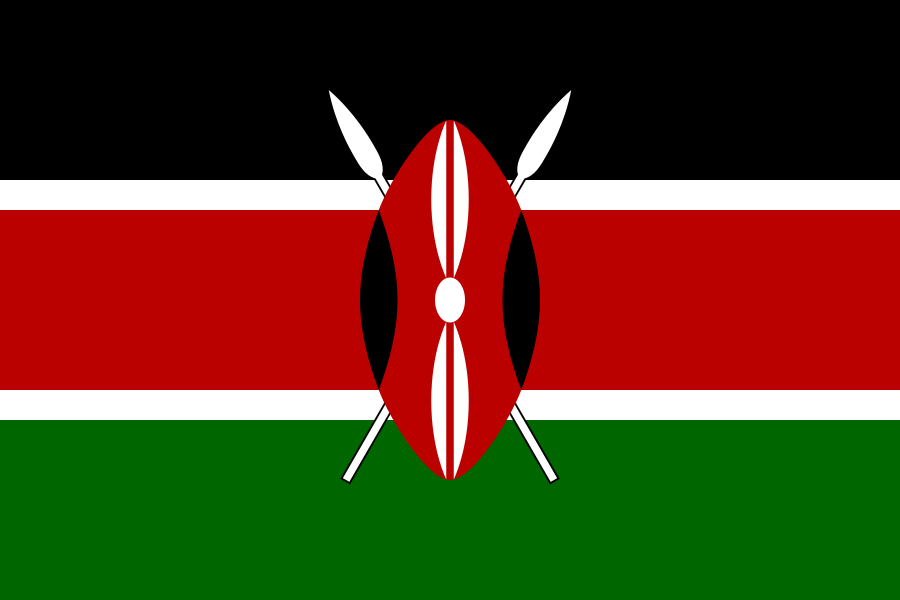
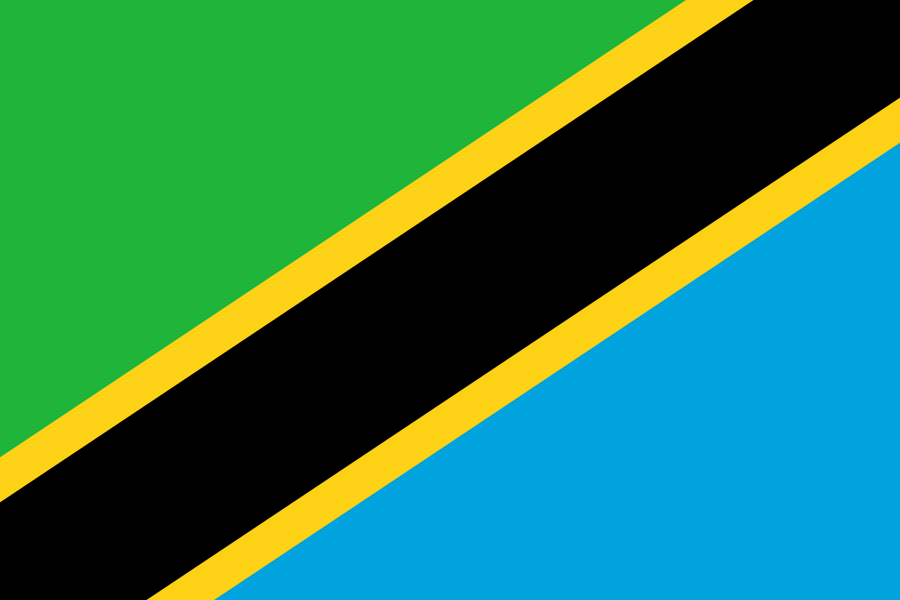
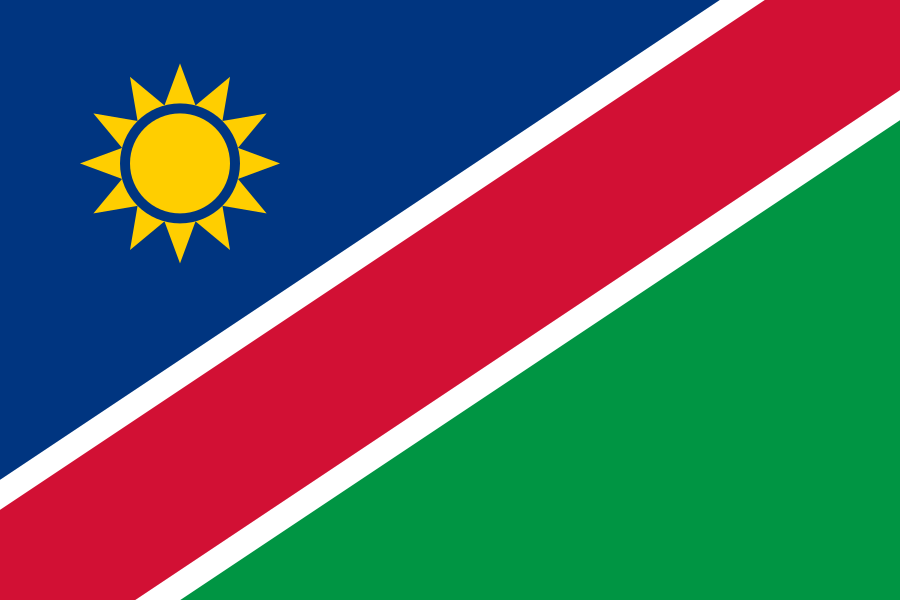
Where the zebra still lives — Kenya, Tanzania, South Africa, Namibia
Zebras need wide-open grasslands to find yummy food and have space to run away from danger. When these grasslands are turned into farms, towns, or roads, zebras lose their homes and don't have enough room to live and roam.
Being done about itPeople are working hard to create special protected areas called national parks and wildlife reserves where zebras can live safely. They are also helping connect these safe spaces so zebras can move around freely to find food and water.
Climate change
Climate change makes the weather in zebra habitats very unpredictable, causing long dry spells or big floods. This means their grassy food can disappear or get washed away, making it super hard for zebras to find enough to eat and drink.
Being done about itScientists are carefully studying how changing weather affects zebras and their homes so they can plan the best ways to keep them safe. Many people are also trying to use less energy and create less pollution to help slow down climate change for everyone, including zebras.
Brave park rangers and conservation heroes are working hard to protect zebras by stopping poachers and creating safe national parks where these striped beauties can roam freely and safely. It's a super important mission to make sure zebras have big, healthy homes for generations to come!
Also known asEquus (Hippotigris) spp.
GroupAnimal
HabitatGrassland
DietHerbivore, primarily eating a variety of grasses.
PredatorsLions, hyenas, leopards, and African wild dogs.
Lifespan20 - 25 years
SizeShoulder height: 1.2 - 1.5 m (4 - 5 ft); Weight: 175 - 450 kg (385 - 990 lbs)