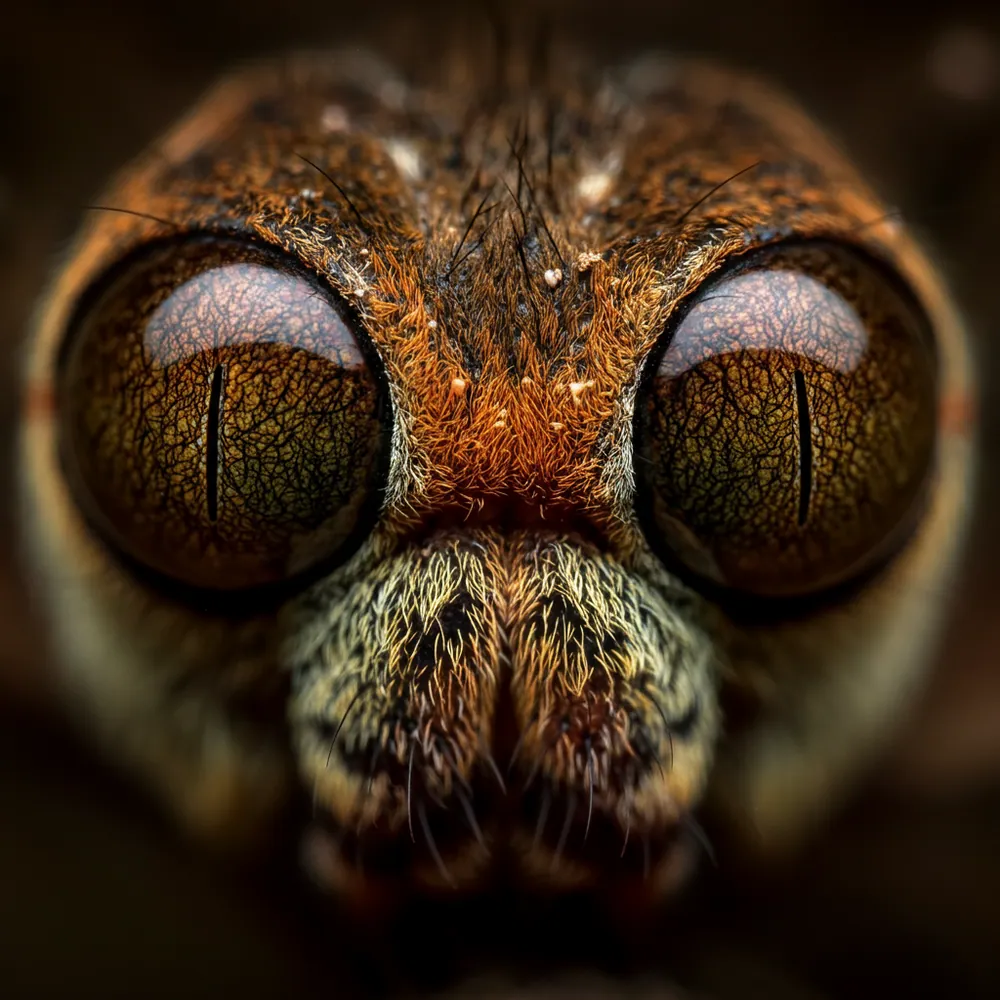
Hey adventurers! Get ready to meet a true superstar of the rainforest, the White-cheeked Spiderhunter! Imagine a tiny, glittering jewel, like a flying emerald with a bright yellow tummy and a super cool, snowy-white patch on its cheek – that's where it gets its amazing name! This little bird, no bigger than your hand, even has fiery red eyes and a long, super-curvy beak that looks like it's ready for any adventure. It’s truly a dazzling sight!
Watch closely, because this bird is an acrobatic marvel! It zips and zooms through the trees, hovering like a tiny helicopter as it searches for its next meal. Its special, super-long beak isn't just for looking fancy; it's a perfect straw for drinking sweet flower nectar, just like a hummingbird! But guess what? It's also a champion bug hunter, expertly snatching spiders and small insects from under leaves and even directly from their webs. You might hear its high-pitched, energetic calls before you even spot its vibrant colours!
This busy bird isn't just pretty; it's a super important hero for the rainforest! As it sips nectar, it helps flowers share their pollen, which means more plants can grow and thrive. And by eating pesky spiders and bugs, it helps keep the forest healthy and balanced. So, this tiny, energetic White-cheeked Spiderhunter is a real rainforest champion, showing us how even the smallest creatures can make a HUGE difference in our amazing world!
Where the white-cheeked spiderhunter still lives — Malaysia (Borneo)
White-cheeked Spiderhunters live in beautiful, leafy forests, but these forests are being cut down to make space for farms and buildings. This means these little birds lose their homes, their food, and safe places to raise their chicks.
Being done about itMany people are working hard to protect the spiderhunters' forest homes by creating special nature parks where trees cannot be cut down. They are also planting new trees to help regrow the forests, giving the birds back their safe places to live.
Brave scientists and nature heroes are working hard to protect the rainforest homes of these special birds, making sure their trees are safe from harm and learning more about them so they can help their populations grow again.