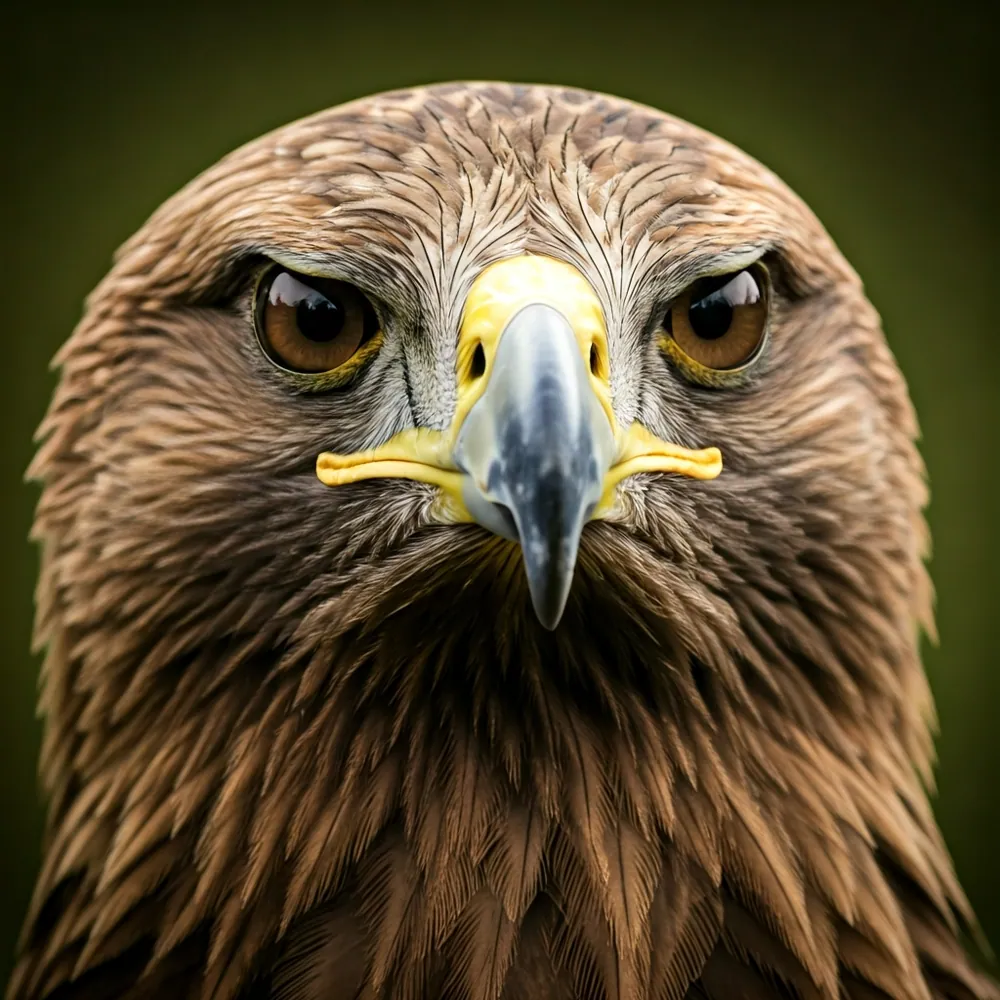
Hey adventurers! Get ready to meet one of the coolest birds in the sky: the Steppe Eagle! Imagine a giant, dark chocolate-brown bird with wings that can stretch almost two meters wide, soaring super high above vast grasslands! With super-sharp eyes that can spot a tiny mouse from way up high and a strong, hooked beak, these majestic eagles are like the superheroes of the plains, gliding with incredible grace and power.
But what makes them truly amazing? These eagles are incredible hunters, swooping down to catch small critters like ground squirrels, but they're also nature's best clean-up crew, helping keep the wild tidy by eating scraps. And guess what? They go on the most EPIC road trips, flying thousands of kilometers from Asia all the way to Africa or India for winter! Sometimes, hundreds of them fly together, painting the sky with their powerful wings – a truly breathtaking sight! Protecting these magnificent birds helps keep our whole planet healthy and wild, which is why they're so special.
Where the steppe eagle still lives — Kazakhstan, Russia, China, India
Steppe Eagles often get very sick or even die when they eat small animals or carrion (dead animals) that have been poisoned by farm chemicals or lead from hunting bullets. This dangerous food makes its way up the food chain to them.
Being done about itScientists and conservationists are working to ban harmful pesticides and lead bullets, and they are teaching farmers and hunters safer ways to manage their land and activities to protect the eagles.
Habitat loss
Steppe Eagles need big, open grasslands called steppes to hunt for food and build their nests. Sadly, these natural areas are shrinking fast as people turn them into farms, cities, and roads, leaving the eagles with fewer places to live.
Being done about itMany people are working hard to protect and restore these important grassland habitats, and they are also encouraging farmers to use their land in ways that help both people and the eagles thrive.
But don't worry, many amazing people are working hard to save them! Scientists and conservationists are busy making power lines safer so eagles don't get hurt, and they're protecting the special places where these eagles like to build their nests.