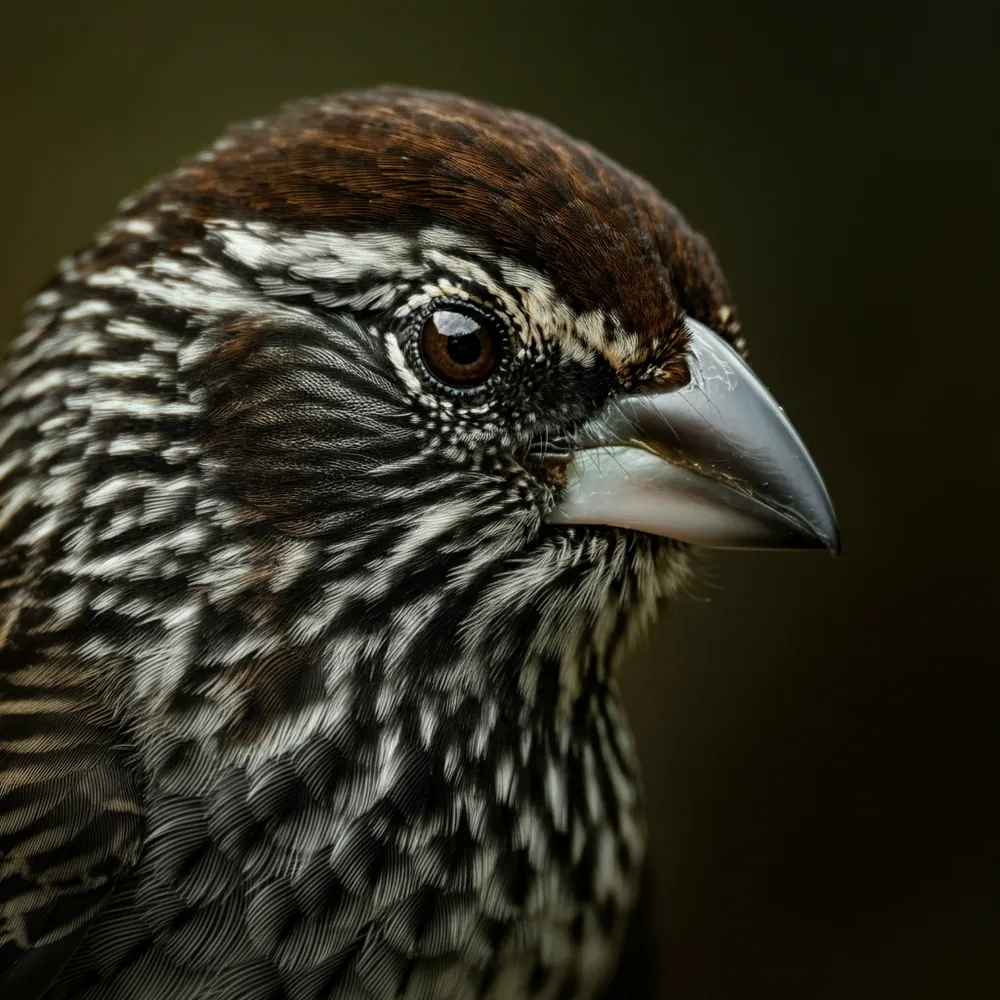
Hey there, nature explorers! Get ready to meet a bird that looks like it flew straight out of a sunshine dream: the São Tomé Grosbeak! Imagine a bird painted the brightest, happiest yellow you’ve ever seen, shining like a tiny sunbeam in the deep green rainforest. But wait, there’s more! This feathered friend has a beak so HUGE and strong, it looks almost comical, like a super-powered nutcracker! That’s why it’s called a "grosbeak" – because of its incredible, giant bill.
This amazing bird lives only on a special island called São Tomé, hidden away in ancient, wild forests. Its massive beak isn't just for show; it's a super tool, letting it crack open the toughest seeds and fruits that other birds can't even touch! It's a bit shy, so spotting one is like finding hidden treasure. It loves to hop and climb high in the trees, munching on its favorite snacks and sometimes even enjoying a juicy insect.
The São Tomé Grosbeak isn't just beautiful; it's also a super important helper in its forest home. By cracking and dropping seeds, it's like a tiny gardener, helping new plants grow all over the forest! But sadly, this amazing yellow marvel is super rare and needs our help. Protecting its home means protecting all the other unique creatures on its island. Isn't that incredible?
The Sao Tome Grosbeak lives in the beautiful, tall forests high up on Sao Tome Island. Sadly, people are cutting down these forests to make room for farms or to get wood, which means these special birds are losing their homes and places to find food.
Being done about itScientists and local people are working hard to protect the remaining forests where the Grosbeaks live, making sure no more trees are cut down there. They are also planting new trees to help grow back the forests and teach everyone how important it is to keep these birds safe.
Brave scientists and conservationists are working hard like detectives to protect the Grosbeak's precious forest home, making sure no one cuts down the trees where they live and raise their families. It's a super important mission to keep their special island safe and sound for these rare birds!
Also known asCrithagra concolor
GroupAnimal
DietPrimarily granivorous, feeding on large seeds; also consumes insects