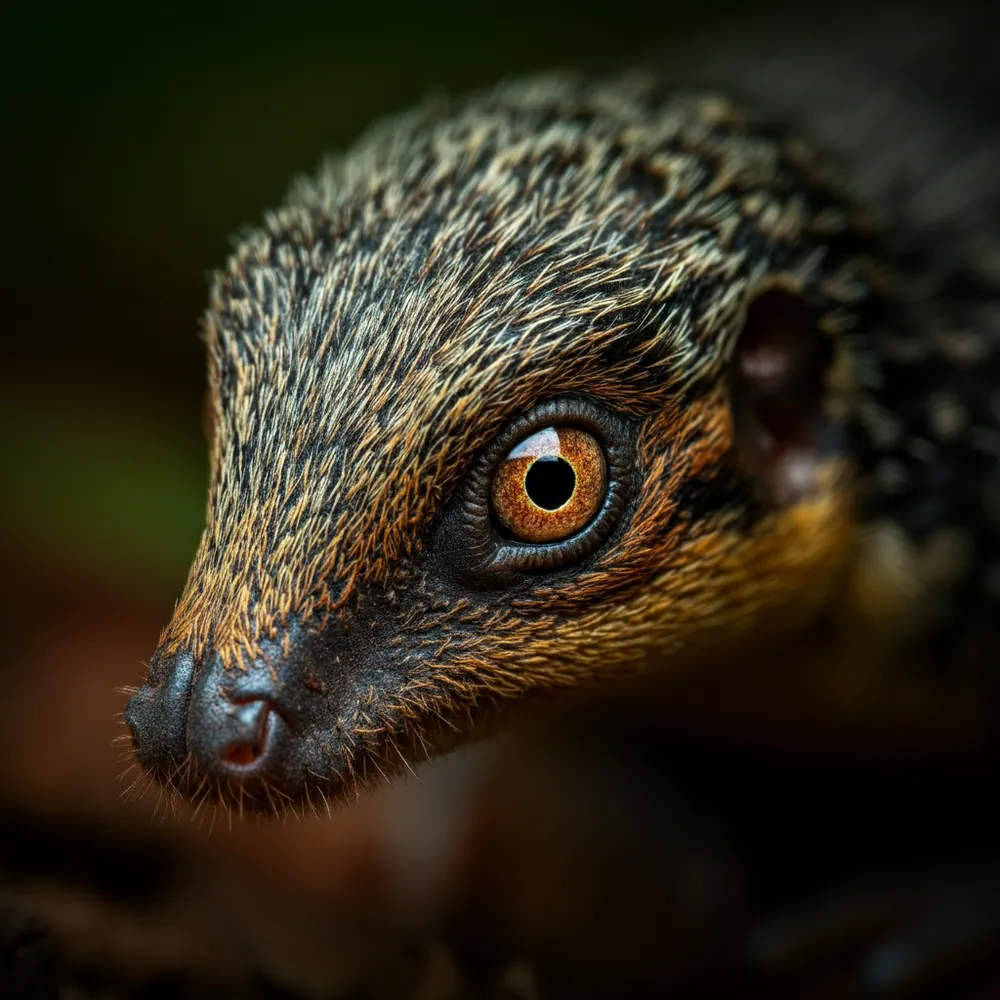
Imagine an animal that looks like it was put together from spare parts! Meet the incredible platypus, a creature so wonderfully weird, it's like a superhero of the animal kingdom. It has a soft, rubbery duck-bill, a flat, paddle-like beaver-tail, and webbed feet like an otter, all wrapped up in super-soft, waterproof fur. This shy, speedy swimmer is found only in the rivers and streams of eastern Australia, and trust us, you've never seen anything quite like it!
But wait, there's more! That amazing bill isn't just for looks. It's packed with a superpower called electroreception! This means the platypus can actually feel tiny electrical signals that other animals make underwater, even with its eyes and ears closed. It's like having a built-in metal detector for finding yummy snacks like worms and bugs on the murky riverbed at night. And here's the biggest secret of all: even though it's a mammal, the platypus lays eggs, just like a bird or a reptile! How cool is that?
These fascinating creatures spend their days napping in cozy burrows they dig in riverbanks. When the sun goes down, they emerge to gracefully dive and forage for dinner. Because they're so good at finding food and keep their river homes healthy, platypuses are super important for their environment. They're not just a national treasure; they're also a sign that the water is clean and healthy!
Platypuses need clean rivers to swim and hunt, but sometimes trash, plastics, and chemicals get into their water. This pollution can make them very sick or even trap them in rubbish like old fishing nets, making it hard for them to survive.
Being done about itPeople are working hard to clean up rivers and stop pollution from getting in them by recycling and using fewer harmful chemicals. Scientists are also finding ways to make less waste and protect these waterways.
Climate change
Climate change makes rivers dry up more often and causes really hot weather, which means platypuses have less cool, clean water to live in. Big bushfires, made worse by climate change, can also destroy their riverbank homes and make their food scarce.
Being done about itScientists are studying how climate change affects platypuses and finding ways to protect their habitats from drying out. Everyone can help by using less energy and planting trees to keep our planet cooler.
Habitat loss
Platypuses need healthy riverbanks with trees and plants to dig their cozy burrows and find food. When people build homes, farms, or roads too close to rivers, it can destroy the platypus's home and remove the plants they need for shelter.
Being done about itRangers and volunteers are working to protect riverbanks by planting new trees and making sure platypus homes aren't disturbed. They also teach people how to live near rivers without harming these special animals.
Super scientists and nature heroes are working hard to protect platypuses by cleaning up their river homes and sometimes even helping them have babies in special safe places like Taronga Zoo. This important mission helps ensure more adorable platypus pups can grow up healthy and strong!
Also known asOrnithorhynchus anatinus
GroupAnimal
HabitatFreshwater rivers
DietCarnivore; eats bottom-dwelling invertebrates like insect larvae, shrimp, and crayfish.
PredatorsSnakes, birds of prey, goannas, and introduced foxes.