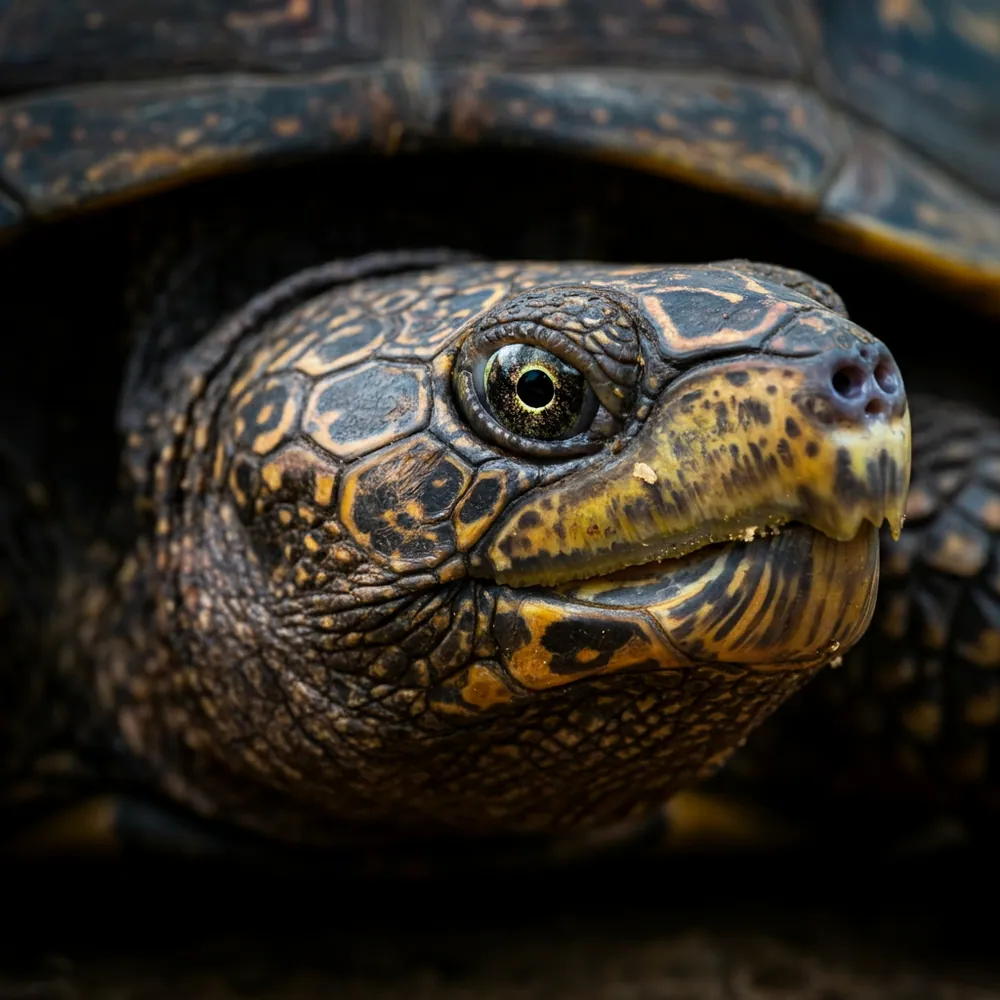
Hey adventurers! Get ready to meet a true ocean superstar, a creature so ancient and amazing, it's like a living dinosaur swimming in our seas! Say hello to the Leatherback Sea Turtle! Forget everything you know about turtle shells, because the Leatherback doesn't have a hard, bony one. Instead, it wears a super cool, rubbery 'suit' that's dark as midnight, sometimes dotted with sparkly white spots. This giant is the biggest turtle on Earth, growing longer than a grown-up and weighing more than a small car!
But wait, there's more! This gentle giant isn't just big; it's an Olympic champion of the ocean! Its powerful front flippers are like giant oars, pushing it through the water with incredible speed and grace. Leatherbacks are super travelers, journeying across entire oceans, from warm tropical beaches all the way to chilly Arctic waters! And get this – they can dive deeper than any other reptile, plunging over 3,000 feet down into the dark, mysterious ocean depths. Their favorite snack? Jellyfish! They slurp them up by the hundreds of pounds every day, thanks to a special prickly throat that makes sure those slippery jellies don't get away!
These incredible turtles are like the ocean's best gardeners, helping keep our blue planet healthy by munching on all those jellyfish. They're a living wonder, showing us how tough and amazing nature can be. Protecting these magnificent, ancient mariners means we're helping to keep the ocean balanced and wonderful for everyone, including future generations of these spectacular sea explorers!
It is longer than a grown-up is tall.
Where the leatherback turtle still lives — Worldwide
Imagine your favorite playground disappearing! Leatherback turtles need very special sandy beaches to lay their eggs, but sometimes these beaches get covered with buildings or washed away by storms.
Being done about itPeople are working hard to protect these important nesting beaches, like creating special parks where turtles can lay their eggs safely without bright lights confusing the baby turtles.
Climate change
Our Earth is getting a little warmer, which can make the ocean rise and flood the beaches where turtles lay eggs. Warmer sand also means mostly girl turtles are born, which isn't good for having enough boy and girl turtles in the future!
Being done about itScientists are studying how to help turtles cope with warmer temperatures, and everyone can help by using less energy at home to slow down climate change and protect their nesting spots.
Bycatch / Overfishing
Sometimes, fishing boats accidentally catch leatherback turtles in their big nets meant for other fish, which is called 'bycatch.' The turtles can't get out and swim to the surface to breathe, which is very dangerous for them.
Being done about itFishermen are learning to use special nets that let turtles escape safely, and scientists are finding ways to fish that don't harm these gentle giants. You can also help by choosing seafood caught in a turtle-friendly way!
Many heroes around the world are on a super important mission to save them! They protect the beaches where baby turtles hatch safely, clean up ocean plastic, and even work to make sure fishing doesn't accidentally harm these incredible swimmers.
Also known asDermochelys coriacea
GroupAnimal
HabitatOcean
DietPrimarily jellyfish and other soft-bodied marine invertebrates.
PredatorsHatchlings are eaten by birds, crabs, and fish; adults are preyed upon by large sharks and orcas.
LifespanEstimated 50+ years
SizeUp to 2.2 m (7 ft) long and 700 kg (1, 500 lbs).