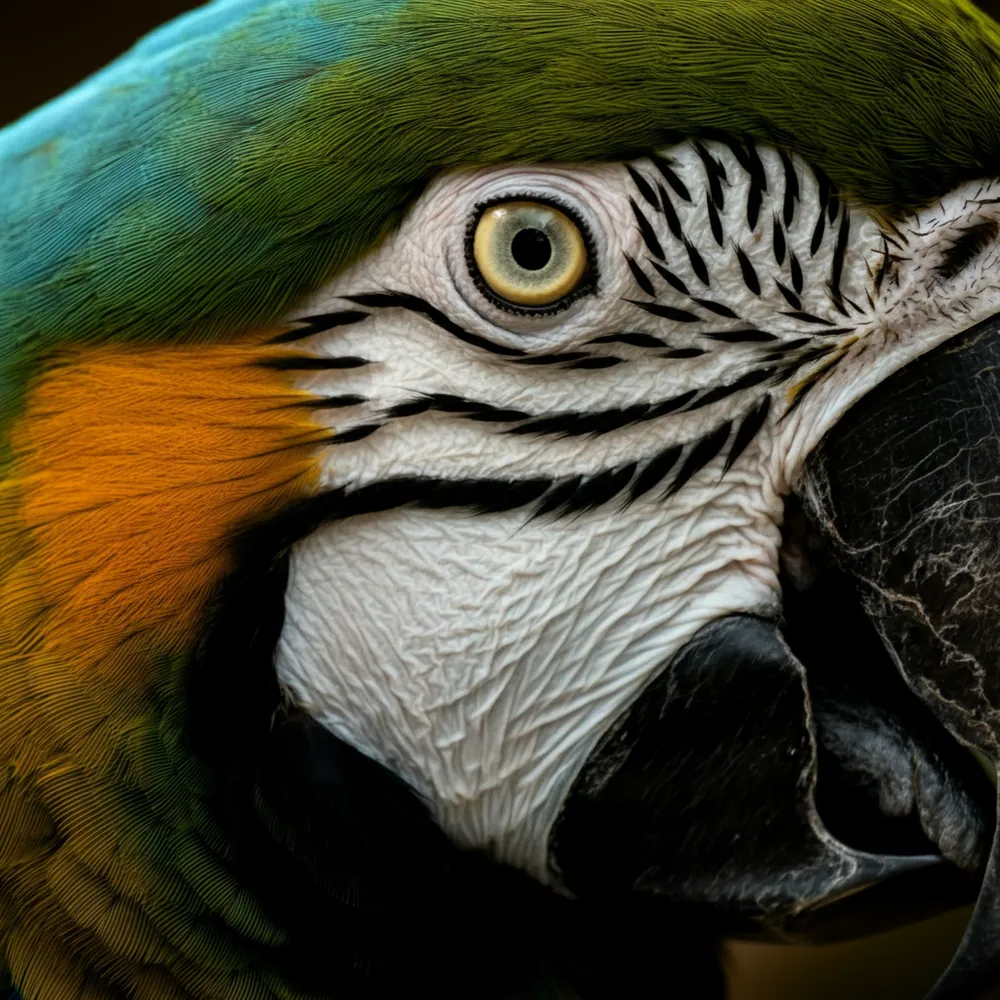
Imagine a bird so dazzling, it looked like a rainbow had exploded into feathers! That, my friends, was the magnificent Cuban Macaw, a truly spectacular parrot that once soared through the sunny skies of Cuba. With feathers of fiery red, sunny yellow, and brilliant blue, it was like a living, squawking masterpiece, flashing its vibrant colors as it flew between tropical trees. Can you picture it? What an amazing, noisy sight it must have been, chattering and playing in its island home!
This incredible bird wasn't just pretty; it was super special and totally unique to Cuba! For a long time, scientists wondered exactly how it was related to other macaws, but now we know it was a one-of-a-kind cousin to some of the other amazing red and green macaws we can still see today. Sadly, we can no longer see the Cuban Macaw flying free. It disappeared from our world a long, long time ago, in the late 1800s. But even though it's gone, its vibrant story reminds us how precious every animal on Earth is, and why we need to protect our wild friends!
The beautiful Cuban Macaw lost its forest home because people cut down too many trees to make space for farms and buildings. Without these important trees, these colorful birds had nowhere to live or find their food.
Being done about itSadly, these things happened a long time ago, and the Cuban Macaw is now extinct. But today, people work hard to protect forests and plant new trees, so other animals always have a safe place to live.
Poaching / Illegal hunting
Many Cuban Macaws were caught and sold as pets, or hunted for their pretty feathers. Taking too many birds from the wild made it very hard for them to have enough babies to keep their population strong.
Being done about itBecause this macaw is now gone, we can't save it anymore. However, for other rare birds, brave rangers stop illegal hunting, and people learn that wild animals belong in the wild, not in cages.
Even though we can't bring the Cuban Macaw back, people are working hard to make sure no other amazing birds disappear like they did, by protecting their homes and teaching everyone how important it is to care for nature.
Also known asAra tricolor
GroupAnimal
DietHerbivore (primarily frugivorous and granivorous)