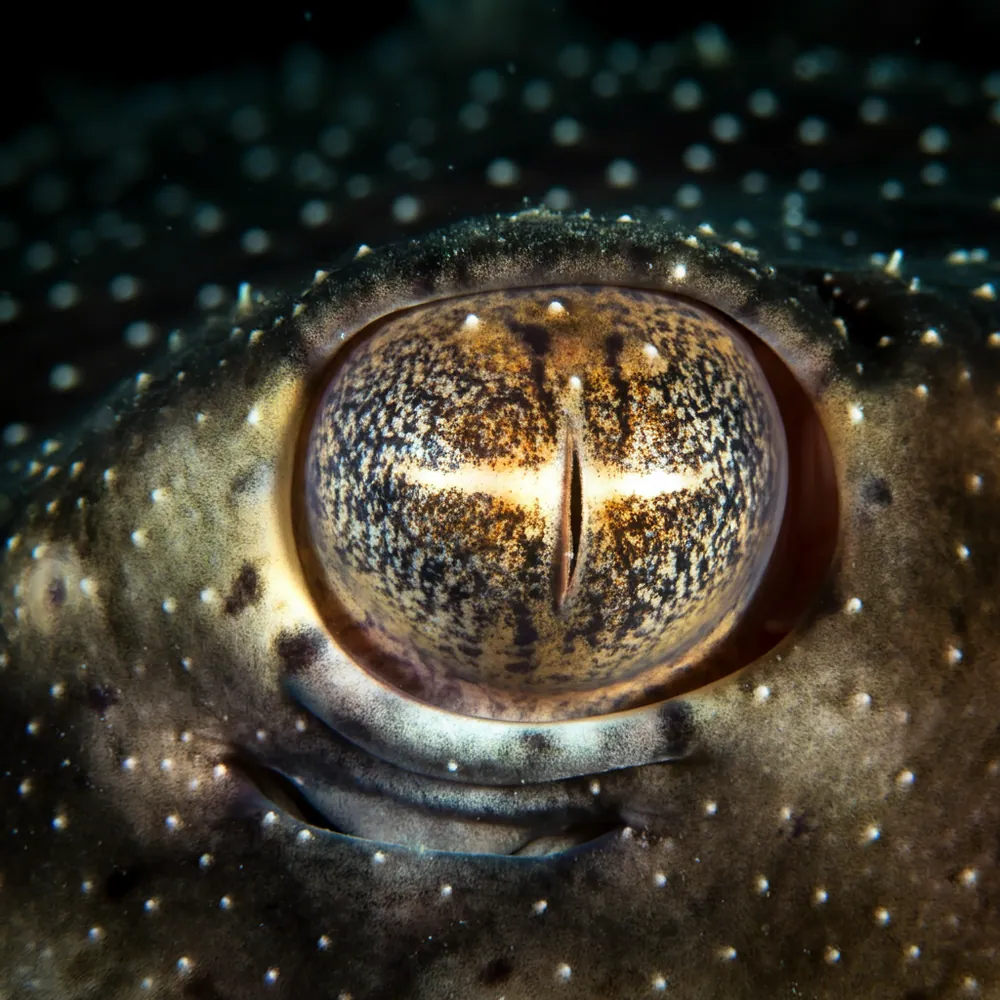
Hey ocean adventurers! Get ready to dive into the amazing world of the Spinetail Devil Ray! Don't let the "devil" in its name scare you – this incredible creature is actually a gentle giant, soaring through the water like a majestic bird. Imagine a sleek, diamond-shaped superhero with enormous, wing-like fins that help it glide with incredible grace. Its body is often a cool dark gray on top and bright white underneath, like it's wearing a fancy tuxedo, and it even has two unique horn-like fins on its head that make it look super special!
But wait, there's more to discover! The Spinetail Devil Ray also has a long, whip-like tail, which is how it got its name. Even though it looks a bit wild, that little spine at the base of its tail is *not* venomous at all – it's just for show! These magnificent rays live in warm, sunny oceans all over the world, dancing through open waters and colorful coral reefs. And guess what they eat? Not big fish, but super tiny plankton! They use those special "horns" on their head to create a funnel, scooping up their microscopic snacks. Watching a whole school of them glide together is like witnessing a magical underwater ballet – a truly breathtaking sight!
Where the spinetail devil ray still lives — Mexico
Spinetail Devil Rays often get caught by accident in big fishing nets meant for other ocean creatures like tuna. This "bycatch" is a huge problem because they can't swim free and often get hurt or even die.
Being done about itScientists are working with fishermen to design special fishing nets that have escape hatches for rays to swim out of safely. Governments are also creating rules to protect these gentle giants, and people can help by choosing seafood caught in Earth-friendly ways.
Brave scientists and ocean protectors are on a very important mission: they're creating special protected areas where these rays can swim safely and teaching people to fish in ways that don't accidentally harm them.
Also known asMobula mobular
GroupAnimal
DietZooplanktivore
SizeUp to 1, 000 kg (2, 200 lbs), typically 500-700 kg