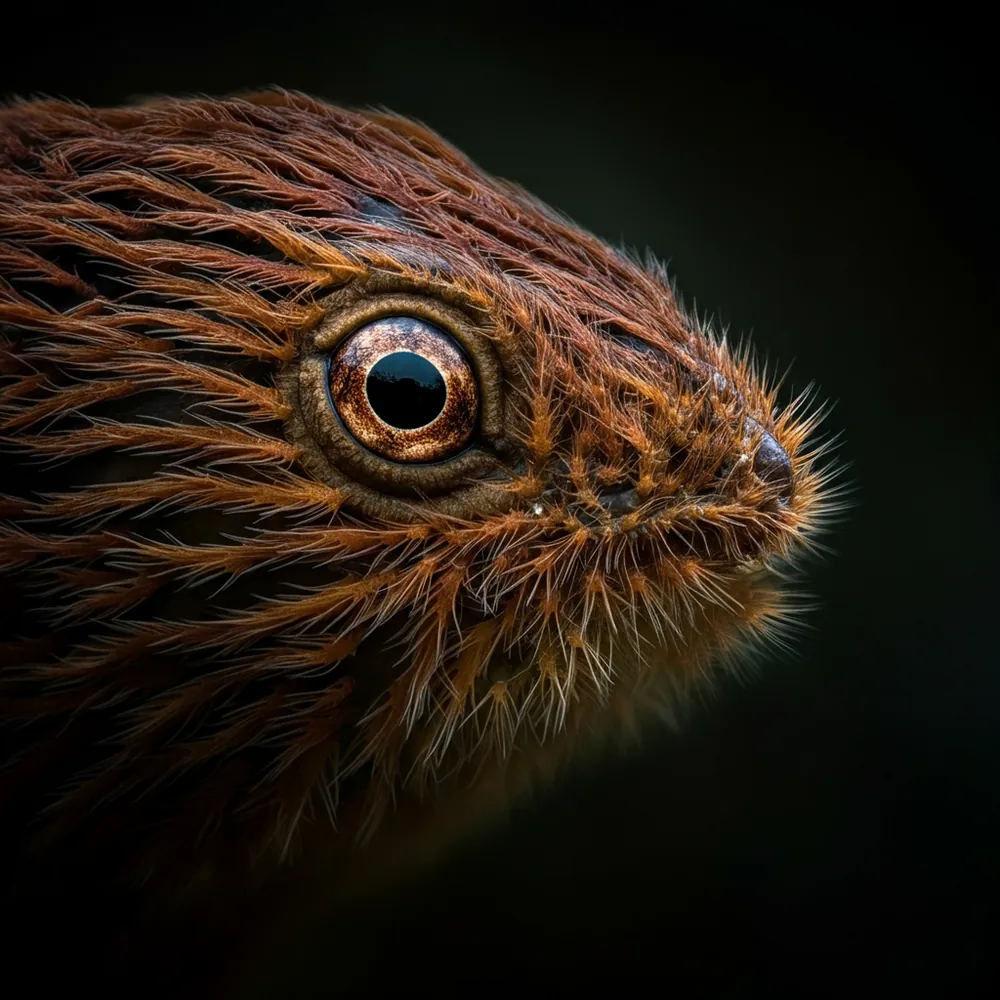
Hey, future wildlife explorers! Get ready to meet a true Hawaiian superstar: the Palila! Imagine a tiny bird that looks like a burst of sunshine, with a brilliant yellow head and chest, and a cool, dark mask around its eyes, just like a superhero! Its back is olive green, its belly soft gray, and it flits through the beautiful forests of Hawaii's Big Island, a living jewel found nowhere else on Earth.
But what makes the Palila super special is its amazing beak! It’s not just any beak; it’s a living can opener, perfectly designed to crack open the super-tough seeds of the māmane tree. These seeds are the Palila's absolute favorite snack, packed with energy! You might also spot it munching on caterpillars hidden in the māmane's bright yellow flowers. This incredible bird and its favorite tree are best friends, always helping each other in the high mountains of Mauna Kea.
The Palila is more than just a pretty bird; it's a vital part of its Hawaiian home. By eating those hard māmane seeds, it helps new māmane trees grow, making sure the forest stays healthy and strong. This unique bird is a precious treasure, showing us how amazing and interconnected nature can be. Protecting the Palila means protecting an entire magical forest, and all the wonders within it!
Where the palila still lives — United States (Hawaii)
The Palila live in a very special forest on a big mountain in Hawaii, and their favorite food and home is the Māmane tree. Sadly, people have cut down many of these trees or let hungry sheep and goats eat them, leaving fewer places for the Palila to live and find food.
Being done about itScientists and wildlife helpers are working hard to plant more Māmane trees and build fences to keep out the sheep and goats. This helps the forest grow back and gives the Palila more safe homes and yummy food.
Climate change
Our Earth is getting warmer, and this can change the weather and make it harder for the Māmane forests to grow well. If their special forest changes too much or gets too hot, the Palila might struggle to find the right food and places to raise their chicks.
Being done about itExperts are studying how changes in weather affect the Palila's home and are trying to protect their forests by planting trees in places that might stay cooler. We can all help by using less electricity and choosing to walk or bike instead of always using cars.
Invasive species
Other animals like cats, rats, and even new kinds of insects that don't belong in Hawaii have been brought there by accident. These new animals sometimes hunt Palila or eat their important Māmane seeds, making it very dangerous for the Palila to survive.
Being done about itWildlife rangers are working to control these new animals by setting safe traps for cats and rats to protect the Palila. Scientists are also finding ways to keep the Māmane trees healthy from harmful insects so the Palila always have food.
Awesome scientists are working like superheroes to protect the Palila's forest home, carefully growing their favorite mamane trees and even helping some baby Palilas hatch safely to give their population a boost!