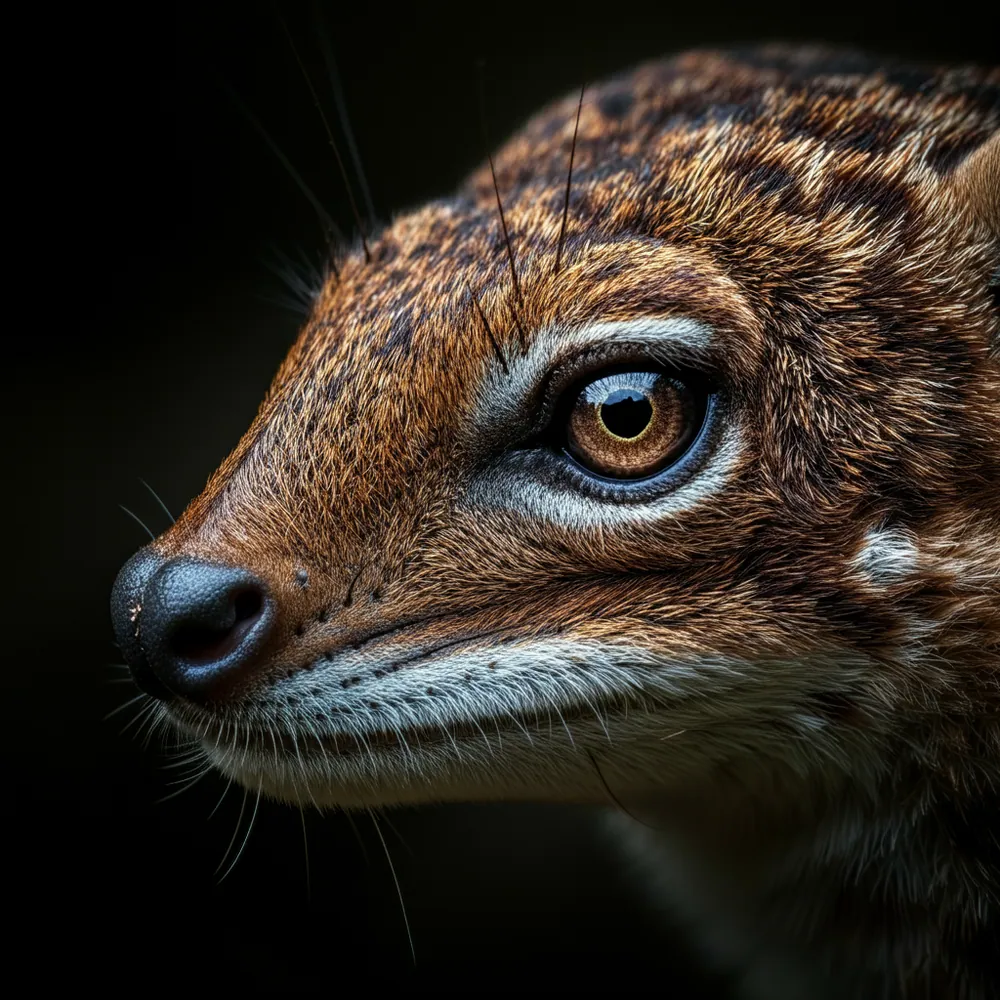
Hey there, future wildlife explorers! Get ready to meet one of the most incredible and mysterious animals on our planet: the Hirola! You might also hear it called the Hunter's Hartebeest or Hunter's Antelope. Imagine an antelope with super cool, lyre-shaped horns that look like they've been twisted by a master sculptor, and big, beautiful eyes that seem to hold ancient secrets. This amazing creature is so unique, it's the only one of its kind left in the whole wide world from its special family tree – how cool is that?!
But here's the super important part: the Hirola is incredibly rare! It lives in a very special place along the border of Kenya and Somalia, which is its only home on Earth. Can you believe there are only about 300 to 500 Hirolas left? That's fewer than the number of kids in some big schools! And guess what? You won't find any Hirolas in zoos or wildlife parks anywhere. They are truly wild and precious, making every single one incredibly important.
Why is this so important? Because if we don't protect them, the Hirola could be the very first type of large animal family (a 'genus') in Africa to disappear forever in modern times. That would be like losing a whole unique branch from the tree of life! Every Hirola is a treasure, a living wonder that reminds us how special and diverse our planet is. Let's learn all we can about these magnificent creatures and hope to keep them galloping wild and free for generations to come!
Imagine your backyard shrinking! That's what's happening to the Hirola; their grassy homes are being turned into farms or towns, leaving them with less space and food to live.
Being done about itScientists and local communities are working hard to protect and restore the Hirola's natural grasslands, making sure these special antelopes have safe places to roam and plenty to eat.
Poaching / Illegal hunting
Sadly, some people illegally hunt Hirola for their meat or horns, even though these gentle animals are very rare and need our protection.
Being done about itBrave wildlife rangers patrol the Hirola's territory day and night to catch poachers, and conservationists are even moving some Hirola to super-safe areas where they can be watched over and protected from harm.
Brave scientists and local communities are on a special mission to save the Hirola! They're working hard to protect their homes, stop poachers, and even move some Hirolas to super-safe wildlife sanctuaries where they can munch on grass and grow their families without worry.