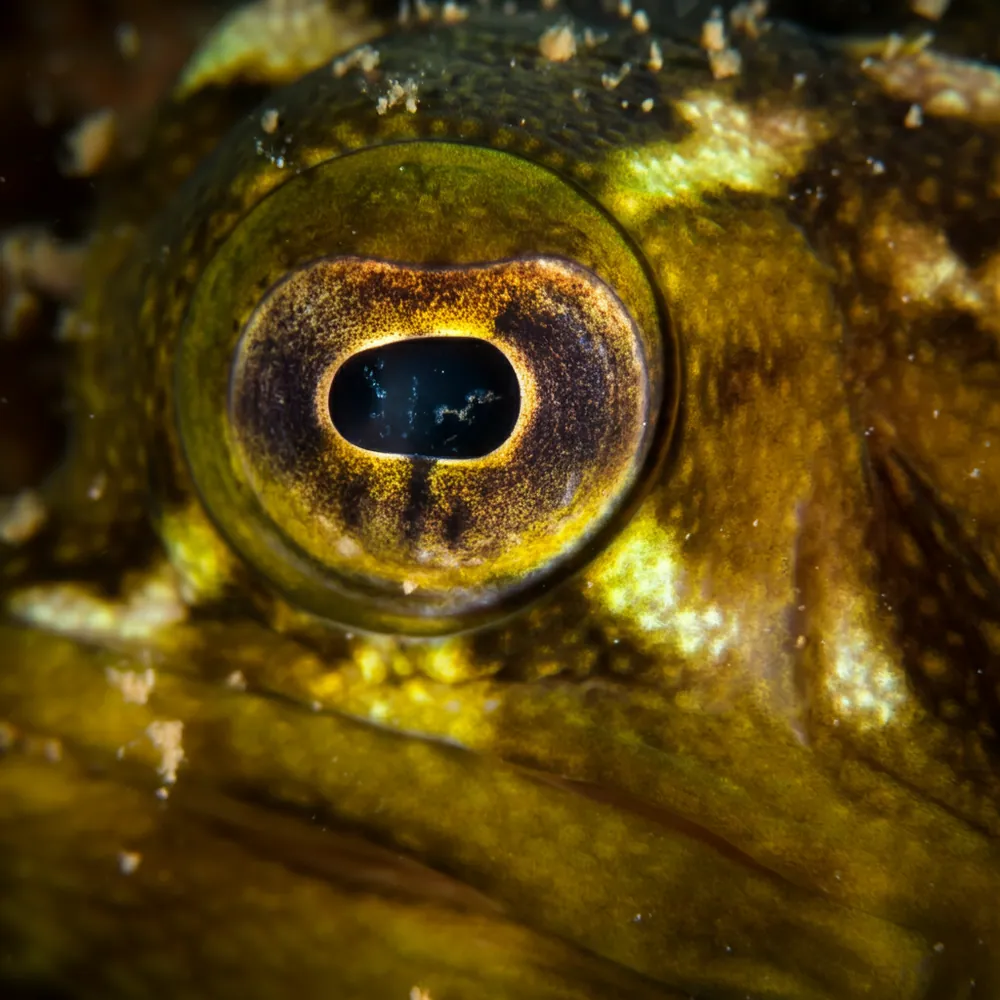
Hey ocean adventurers! Get ready to meet one of the coolest, most mysterious creatures lurking in the sea: the Clown Wedgefish! Is it a shark? Is it a ray? It's both! This amazing fish has a flat, wedge-shaped body like a ray, perfect for gliding, but a powerful, wiggly tail just like a shark. And guess what? Its name comes from its incredible, dazzling patterns – a mosaic of spots, stripes, and swirls that look like a secret code painted on its sandy skin. It’s like a living puzzle swimming right before your eyes!
This super shy fish loves to glide slowly and gracefully over warm, sandy ocean floors, near colorful coral reefs or grassy underwater meadows. With its special super-senses, it can sniff out hidden snacks like crabs, clams, and small fish buried in the sand – it’s like an underwater treasure hunter! But this wedgefish isn't just a pretty face; it also has a super important job. As it searches for food, it gently stirs up the sand, helping to keep the ocean floor clean and healthy for all the other sea creatures. It's like an ocean gardener!
The Clown Wedgefish is truly one of a kind, a real ocean mystery that helps keep our underwater world sparkling. These gentle giants are incredibly special, but sadly, they're in big trouble and need our help to survive. Protecting them means protecting the whole amazing ocean, full of wonders just waiting to be discovered!
Clown Wedgefish love to live in shallow, warm waters near the coast, often hiding in sandy or muddy areas and near coral reefs. But sometimes, people build too many things along the coast or pollute the water, which destroys these special places where the wedgefish live and find food.
Being done about itScientists and conservationists are working hard to protect these important ocean areas by creating special 'no-fishing' zones and cleaning up pollution. They are also trying to replant corals and mangroves to rebuild the wedgefish's home.
Bycatch / Overfishing
Clown Wedgefish are often caught by accident in big fishing nets meant for other fish, which is called 'bycatch.' Sometimes, too many wedgefish are caught on purpose because their fins are considered valuable, and this is called overfishing.
Being done about itTo help, scientists are designing special fishing nets that let wedgefish escape, and governments are making rules about how many fish can be caught. People can also choose to eat seafood that is caught in a way that doesn't harm these amazing creatures.
Superheroes of the ocean, like scientists and conservationists, are working hard to protect these unique fish by asking fishing boats to be extra careful and by setting up special safe zones in the ocean where they can live and grow without danger. It's a hugely important mission to give these amazing creatures a brighter future!
Also known asRhynchobatus cooki
GroupAnimal
DietCarnivore
SizeTypically 50-100 kg (110-220 lbs), with larger individuals potentially exceeding 150 kg (330 lbs)