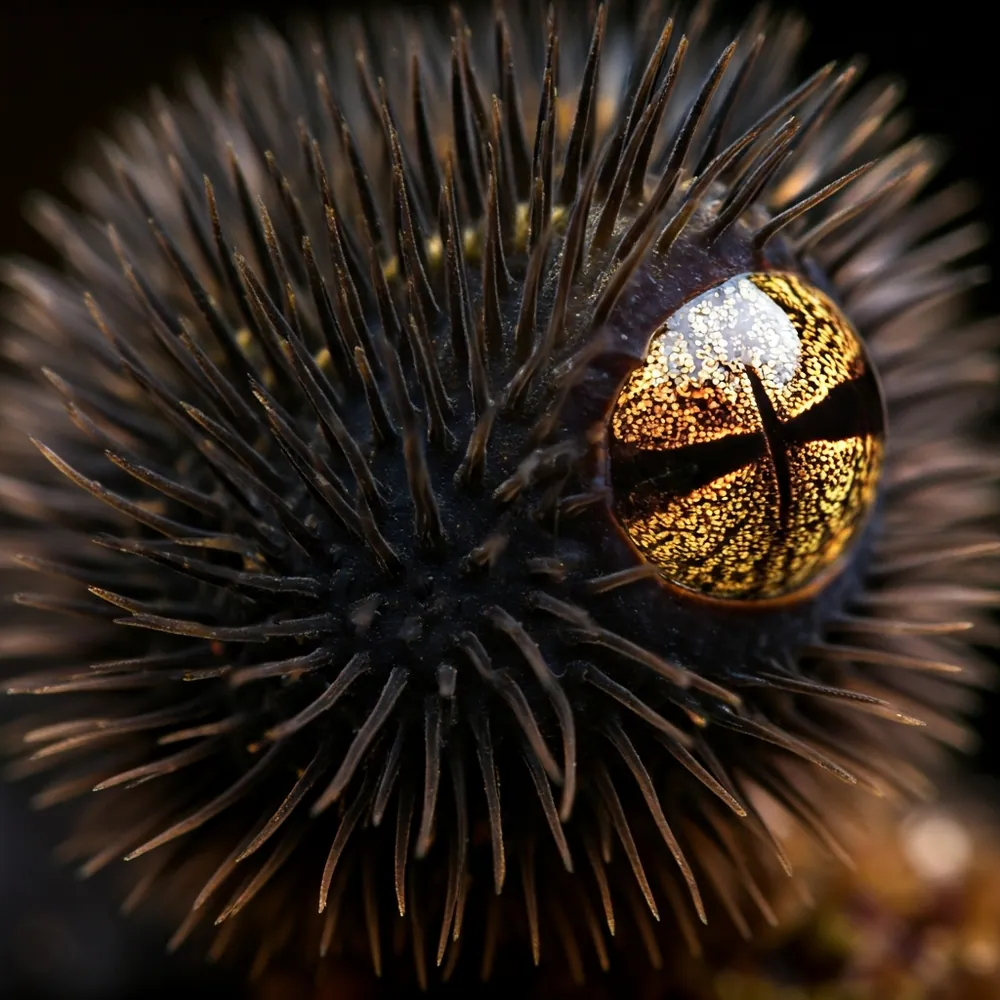
Hey there, future ocean explorers! Get ready to dive deep and discover one of the most mysterious and magical creatures of the underwater world: the Black Coral! Now, its name might make you think it's all dark and gloomy, but get this – while its super strong skeleton is indeed jet-black or dark brown, it's actually covered in tiny, vibrant, and colorful little "flowers" called polyps! It's like finding a secret rainbow hidden in the ocean's depths.
These incredible corals aren't just pretty; they're super tough too! You can find Black Coral almost everywhere in the ocean, from chilly polar waters to warm tropical seas, and from sunny shallows to the super deep parts where the sun never shines. They love to hang out on underwater slopes, growing into amazing shapes that look like trees, bushes, or even feathers, creating incredible underwater forests!
But here's what makes them extra special: Black Corals are like the bustling apartment buildings of the deep sea! They provide cozy homes, safe shelters, and even snacks for tons of other sea creatures, from tiny fish to crabs and worms. They're true heroes, making the dark, deep ocean a bustling, wonderful place for everyone to live. How cool is that?
Black corals live deep in the ocean, clinging to rocks and other hard surfaces. When big fishing nets drag along the seafloor or oil spills happen, their special homes get destroyed, and they have nowhere to live or grow.
Being done about itPeople are creating special underwater parks where big fishing boats aren't allowed to go, keeping black coral homes safe. Scientists are also learning how to grow baby black corals in special tanks, hoping to put them back in the ocean someday.
Climate change
When the Earth gets warmer, the ocean gets warmer too, and even a bit more sour. This makes it really hard for black corals to build their strong, woody skeletons and stay healthy.
Being done about itPeople are working hard to stop climate change by using less energy from things like cars and power plants. This helps keep the ocean from getting too warm and acidic, which protects black corals and their deep-sea neighbors.
Brave scientists and ocean heroes are working hard to create special underwater safe zones, called Marine Protected Areas, where black corals can grow without being disturbed. They are also studying these amazing corals to learn their secrets and protect their deep-sea homes for the future.
Also known asAntipatharia
GroupAnimal
DietSuspension Feeder (micro-carnivore), consuming plankton and organic particles from the water column.
SizeColonies can range from small, bushy forms to large, tree-like structures over 6 meters (20 feet) tall, with individual polyps being microscopic.